






The Rise of the Weekend Spender
A distinct economic pulse now beats across India every weekend. It’s not about big-ticket items, but the opposite: the relentless drumbeat of micro-transactions. From Friday evening to Sunday night, a significant portion of consumer spending is concentrated
into a 48-hour window. One recent study highlighted that urban Indian households now spend nearly two-thirds of their weekly discretionary budget on Saturdays and Sundays. This isn't just a metro phenomenon; it's a nationwide trend where dual-income families, with little time during the workweek, unleash their pent-up demand for leisure, entertainment, and convenience. This transforms malls, cafes, and digital platforms into bustling hubs, creating a recurring weekly economic festival.
UPI: The Engine of the Micro-Economy
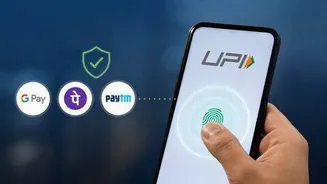
This high-frequency spending is powered by one transformative force: the Unified Payments Interface (UPI). What was once a realm of invisible cash transactions—paying for street food, groceries, or a local service—is now a digitally recorded event. In 2025 alone, UPI processed a staggering 228.5 billion transactions. More importantly, the average transaction size is falling, dropping to just ₹592 for merchant payments. This proves that UPI is not just for large bills but has become the default for everyday, small-value purchases, effectively turning the unorganised cash economy into a trove of trackable data. This digitisation has made it easier than ever for millions of small vendors to accept payments, further fueling the cycle.
Small Spends, Big Psychological Shift
The weekend economy thrives on a simple consumer insight: small amounts feel insignificant. This has led to the “sachetization” of digital services, mirroring the successful physical product strategy. Consumers are now comfortable with recurring, low-cost commitments, whether it’s a one-day streaming pass, in-game credits, or a daily data pack. This behavioural shift encourages impulse buys and frequent engagement. The ease and speed of a QR code scan remove the friction associated with spending, making consumers more likely to transact frequently without feeling a major financial pinch. This has fundamentally altered spending patterns, making consumption a more continuous and integrated part of daily and weekly life.
A New Barometer for Economic Health
For businesses and economists, this flood of micro-transaction data is a goldmine. It offers a real-time, high-frequency pulse on consumer sentiment and disposable income, far more immediate than traditional monthly or quarterly reports. By tracking the volume and nature of these small weekend spends, analysts can gauge the grassroots health of the economy. A surge in weekend dining and entertainment suggests rising consumer confidence, while a dip could be an early warning sign of stress. Companies are leveraging this data to create weekend-specific offers, manage inventory, and forecast demand with unprecedented accuracy. This ability to monitor the economic mood on a weekly basis is a powerful new tool for strategic planning.
Who Are the Winners?
The beneficiaries of this trend are widespread. Obvious winners include food delivery platforms, cafes and restaurants, and Over-the-Top (OTT) streaming services, which all see a natural weekend surge. But the impact runs deeper. The entire gig economy, from delivery partners to ride-sharing drivers, experiences higher demand and earnings. Local kirana stores and street vendors, now equipped with QR codes, are integrated into the formal digital economy like never before, improving their cash flow and creating a formal transaction history that can unlock access to credit. This distributed economic boost spreads the benefits far beyond large corporations, touching millions of small entrepreneurs and workers across the country.