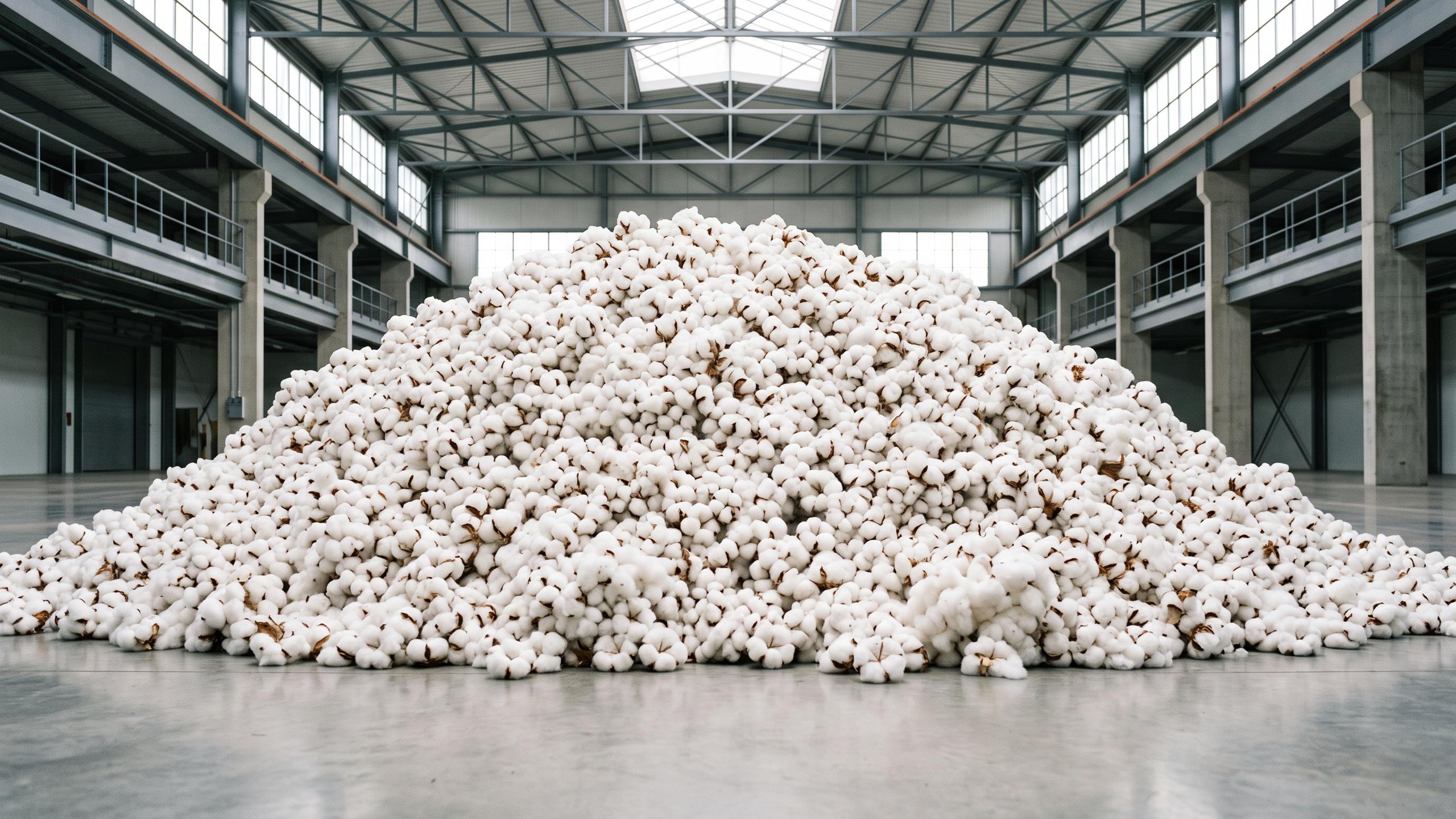






The Indian government's policy on cotton imports is a delicate balancing act. A recent decision to amend the 11% import duty has sent ripples through the entire textile value chain, from farmers to the clothes hanging in our wardrobes.
The Core of the Decision: What Changed?
In a significant
move for the textile industry, the Indian government has been grappling with its policy on the 11% customs duty levied on cotton imports. This duty, which includes a basic customs duty and an agriculture infrastructure cess, was temporarily waived from June 1 to October 31, 2026, to help ease raw material costs for textile mills. As of late October 2026, the government is widely expected to extend this duty-free window until at least the end of December. This 'amendment' isn't a permanent removal but a recurring policy adjustment aimed at managing a complex economic situation. The core issue is that the duty makes imported cotton more expensive, directly impacting the production costs for the entire downstream textile industry.
Why the Shift? A Battle Between Supply and Price
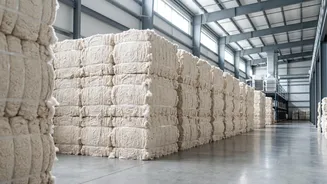
The primary driver for waiving the import duty is a significant mismatch between domestic cotton supply and demand. For the 2026-27 season, India's cotton production is projected to be around 29 million bales, while domestic demand is estimated to exceed 34 million bales. This shortfall is largely due to patchy monsoon rains and high temperatures in key cotton-growing states like Maharashtra and Karnataka, leading to lower crop yields. As a result, domestic cotton prices have remained firm, trading above the government's minimum support price (MSP). By removing the import duty, the government aims to make it cheaper for mills to import cotton from countries like the US, Brazil, and Australia, thereby increasing supply, cooling domestic prices, and preventing volatility in the market.
The Impact on Garment Manufacturers
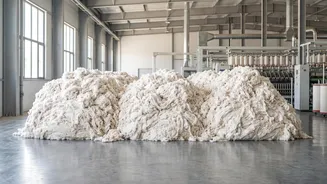
For garment manufacturers and spinning mills, the duty-free import window is a welcome relief. Raw cotton is their primary input, and high cotton prices directly translate to higher production costs. When domestic cotton is expensive, yarn becomes expensive, followed by fabric, and finally, the finished garments. This cost pressure erodes profit margins and makes Indian manufacturers less competitive on the global stage. Countries like Bangladesh and Vietnam, which are major competitors, often enjoy duty-free access to global cotton supplies, putting Indian exporters at an immediate disadvantage. The waiver on import duty allows Indian mills to access cheaper raw materials, helping them manage costs, maintain production continuity, and offer more competitive pricing to international buyers.
Ripple Effects for Retailers and Consumers
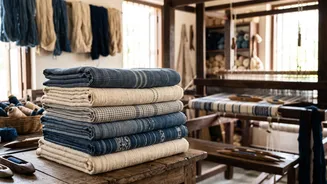
While the decision directly impacts manufacturers, its effects trickle down to retailers and, ultimately, consumers. When manufacturers face higher input costs, they are often forced to pass these on. This can lead to higher wholesale prices for retailers, who may in turn increase the final price tag on clothing and other textile goods. The government's decision to suspend the duty is an anti_inflationary measure for the textile sector. By helping to stabilise raw material costs, it reduces the pressure on manufacturers to increase prices. For consumers, this could mean more stable prices for apparel and home textiles. However, the benefits depend on whether cost savings are passed down the supply chain, which is not always guaranteed.
A Divided Industry: Not Everyone Wins
The policy creates a fundamental tension within the textile value chain. While garment manufacturers and exporters celebrate the lower import costs, domestic cotton farmers have a different perspective. Extending the duty_free import window into the main harvest season (which begins in October) means that cheaper imported cotton can flood the market just as farmers are bringing their crops for sale. This increased competition can suppress domestic prices, potentially hurting the incomes of millions of farmers, particularly in drought_affected regions. This highlights the policy's central conflict: supporting the industrial competitiveness of the value_added textile sector versus protecting the interests of the agricultural base.