



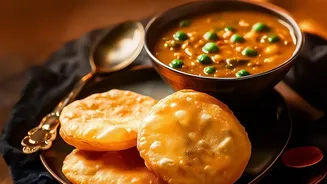

A New Sound in the Festive Kitchen
For generations, the art of festive Indian cooking has been defined by tradition. The sizzle of puri in hot oil, the slow simmering of kheer, and the meticulous hand-crafting of sweets are rituals passed down through families. Into this world of established
methods comes the air fryer, a decidedly modern gadget that, at first glance, seems out of place. It doesn't bubble, it doesn't deep-fry in the conventional sense, and its operation is more akin to a miniature convection oven. Yet, across urban India, this appliance is steadily moving from a novelty item to an indispensable festive tool. Market data shows a consistent rise in air fryer sales, with the Indian market size estimated at over USD 52 million in 2026. This growth is fueled by a desire to bridge the gap between cherished traditions and the realities of modern life.
Less Oil, Same Indulgence
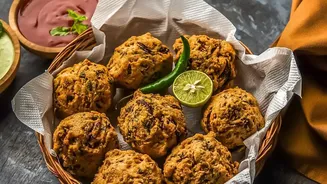
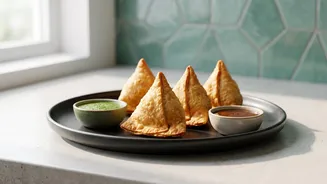
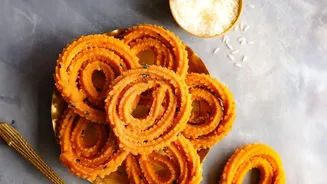
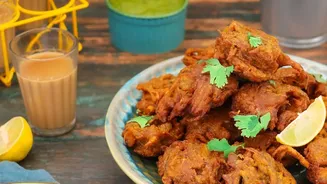
One of the most significant drivers of the air fryer's adoption is the growing health consciousness among Indian consumers. Festivals are a time of indulgence, but many beloved snacks—samosas, kachoris, mathri, and pakoras—are deep-fried. The air fryer presents a compelling compromise: the ability to achieve a satisfying crunch with up to 80-90% less oil. This allows families to enjoy their favourite festive treats without the guilt or the heavy, greasy feeling afterward. Recipes for air-fried gujiyas, namak pare, and even medu vadas are now widely shared online, promising the same celebratory flavour with a much lighter footprint. It’s not about replacing the original, but about having a healthier version available that doesn't feel like a sacrifice.
The Gift of Time and Convenience
Beyond health, the sheer convenience is a massive draw. Festive periods are often a whirlwind of social obligations, religious ceremonies, and elaborate preparations. The air fryer offers the gift of time. Instead of standing over a hot kadai, carefully frying batches of snacks, one can simply place items in the basket, set a timer, and walk away. This frees up precious time to spend with family and guests. The process is faster, significantly cleaner with no oil splatters, and requires less active supervision. This efficiency is particularly valued in busy, multi-tasking households where hosts want to be part of the celebration, not just stuck in the kitchen.
Reimagining Traditional Recipes
The integration of the air fryer is also sparking a wave of culinary creativity. Home cooks and food bloggers are enthusiastically experimenting, adapting classic recipes for this new medium. Aloo tikki gets a crispy crust without crumbling, paneer tikka achieves a tandoor-like char, and even South Indian snacks like bondas and banana chips are being successfully reimagined. While not a perfect substitute for every dish—recipes with very wet batters like traditional pakoras can be tricky—the successes far outnumber the failures. The key is often in small adjustments: making a thicker batter, adding a light brush of oil, or using parchment paper to prevent sticking. This process of adaptation is creating a new, evolving branch of Indian festive cuisine.
More Than Just a Snack Maker
While snacks are the air fryer's headline act, its role in the festive kitchen is expanding. It is being used to roast vegetables for side dishes, quickly cook kebabs and cutlets for appetizers, and even reheat leftovers to their original crispy glory without sogginess. Some users are even preparing components of main courses, such as crisping up paneer or vegetables before they go into a gravy. This versatility demonstrates that the air fryer is not just a single-purpose gadget but a multi-functional tool that complements other cooking methods. From North Indian tikkas to Bengali begun bhaja, the appliance is proving its utility across a wide spectrum of regional dishes.