




Understanding Low-Impact Cardio
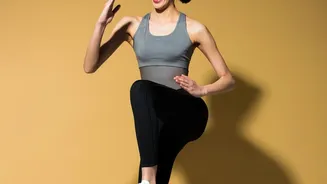
First, let's clarify what 'low-impact' means. It refers to any aerobic activity that keeps at least one foot on the ground at all times, minimizing the force and stress on your joints like the knees, hips, and ankles. This makes it an ideal choice for people
with arthritis, those recovering from injury, or anyone who finds high-impact activities like running uncomfortable. But don't mistake low-impact for low-intensity; these workouts are incredibly effective at getting your heart rate up, strengthening your cardiovascular system, and improving your overall fitness.
Swimming and Water Aerobics
Often called the perfect exercise, swimming is a fantastic full-body workout that is exceptionally gentle on the joints. The buoyancy of the water supports your body weight, removing impact almost entirely. This allows for fluid movement that can improve flexibility and reduce stiffness. Regular swimming strengthens the heart and lungs, improves circulation, and can help lower blood pressure and cholesterol. Studies have shown that swimmers have a significantly lower risk of death from heart disease. If you're not a confident swimmer, water aerobics or even just walking in the pool provides similar cardiovascular benefits due to the water's resistance.
Cycling (Indoor and Outdoor)
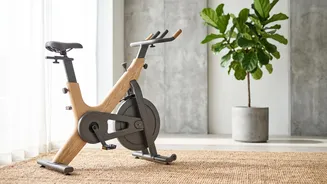
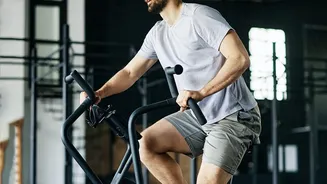
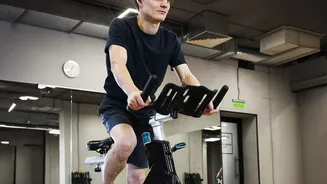
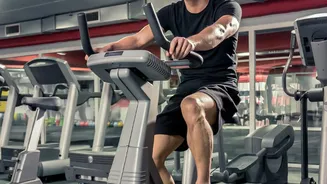
Whether on a stationary bike or cruising through your neighbourhood, cycling is a premier low-impact cardio exercise. It provides a stellar aerobic workout that builds strength in your legs and core without straining your knees or hips. The smooth, circular motion helps lubricate joints, which can be particularly beneficial for those with arthritis. Cycling increases cardiovascular fitness, improves blood flow, and can help manage weight, all of which are crucial for a healthy heart. For a controlled environment, indoor cycling allows you to adjust resistance to create a challenging workout regardless of the weather.
Brisk Walking
Never underestimate the power of a good walk. Brisk walking is one of the most accessible and effective forms of low-impact cardio. The key is the pace. To get your heart rate into a beneficial zone, you should aim for a speed where you can still talk but are slightly out of breath. This moderate-intensity activity strengthens the heart muscle, improves circulation, and helps lower blood pressure. Experts suggest aiming for at least 100 steps per minute or a heart rate of around 100-120 beats per minute for many adults to reap the cardiovascular rewards. It requires no special equipment and can be easily integrated into your daily routine.
Using an Elliptical Trainer
The elliptical machine is a gym favourite for good reason. It mimics the motion of running but your feet never leave the pedals, making it a zero-impact activity. This design allows you to get a vigorous cardio workout that strengthens your heart, lungs, and muscles while protecting your joints from stress. Many ellipticals also have moving handlebars, allowing you to engage your upper body for a true full-body workout. Regular use can boost your stamina, burn a significant number of calories, and improve circulation.
Rowing
A rowing machine, or ergometer, offers another fantastic full-body, low-impact workout. The rowing stroke engages approximately 70% of your body's muscle mass, including your legs, core, back, and arms. This widespread muscle engagement makes it incredibly efficient for elevating your heart rate and improving cardiovascular endurance. Because the movement is seated and fluid, it places minimal stress on the joints, making it a safe option for consistent training. It's a powerful tool for burning calories, building strength, and supporting long-term heart health.