

The Potent Problem of Methane
Methane is the primary component of natural gas and a powerful greenhouse gas. While it stays in the atmosphere for a much shorter time than carbon dioxide, its warming potential is immense—over 80 times greater than CO2 over a 20-year period. This makes
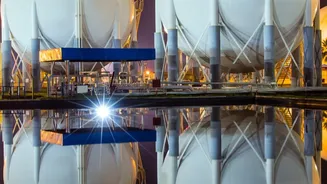
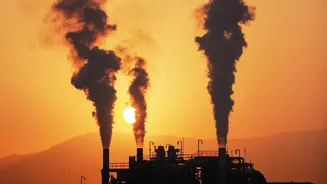
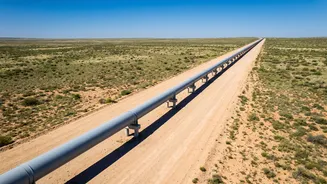
it a critical factor in the short-term battle against climate change. Historically, tracking methane emissions has been difficult, relying on ground-based estimates and infrequent aerial surveys that often missed the full picture. Emissions come from various sources, including agriculture, but the oil and gas industry is a major contributor through leaks, intentional venting, and malfunctioning equipment along its vast supply chain. These emissions not only accelerate global warming but also contribute to ground-level ozone, which can worsen respiratory illnesses. Addressing these leaks is considered one of the quickest ways to make a meaningful impact on rising global temperatures.
Eyes in the Sky: A Technological Leap
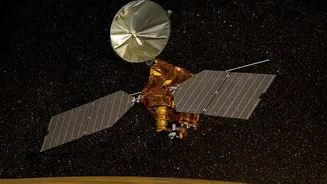
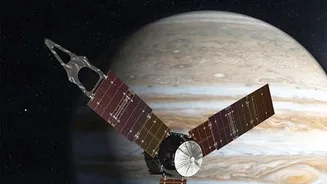
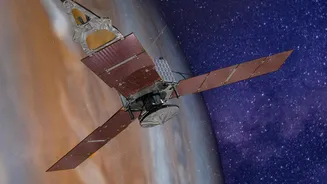
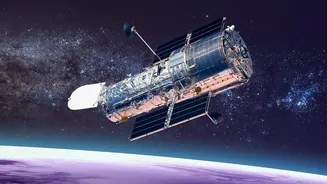
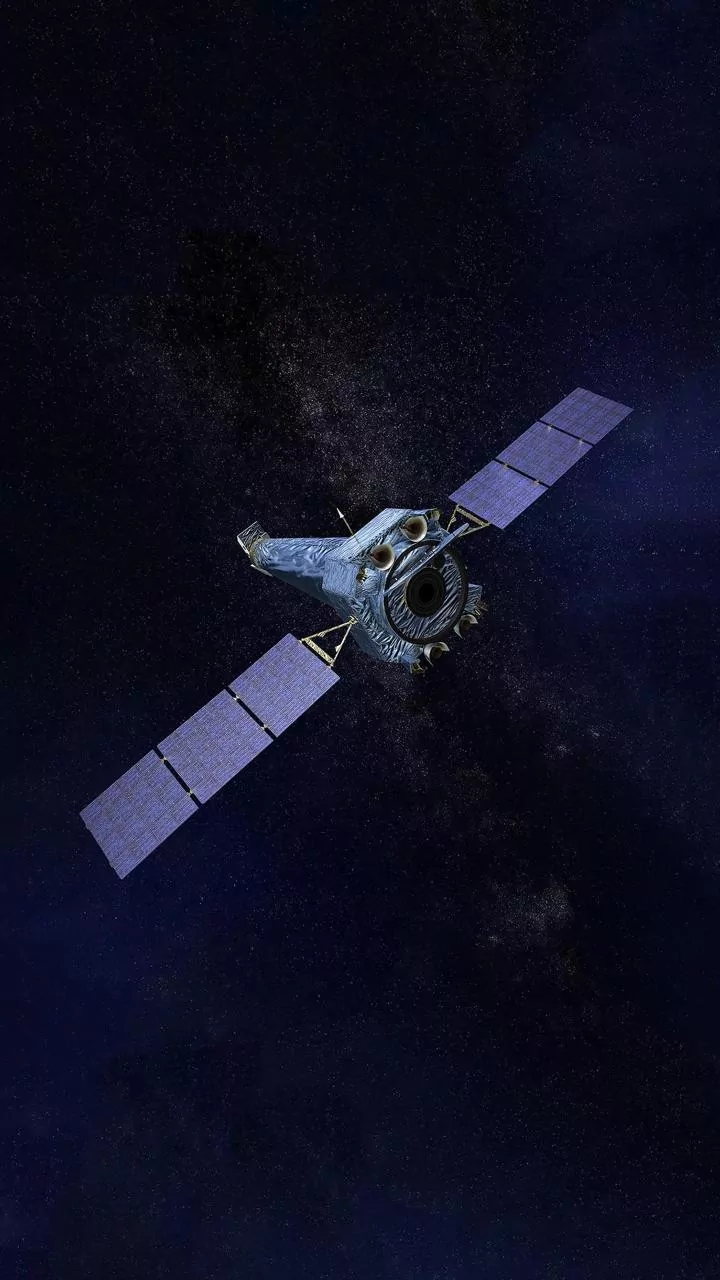
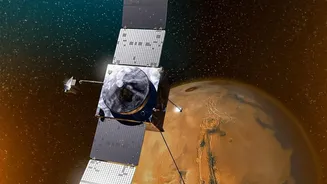
A fleet of advanced satellites is changing the game. Missions like MethaneSAT, GHGSat, and instruments from NASA and the Carbon Mapper coalition are now orbiting the Earth with a specific purpose: to hunt for methane. These satellites use sophisticated imaging spectrometers that can detect the unique fingerprint of methane in the light reflected from the Earth's surface. As sunlight passes through a methane plume, the gas absorbs light at specific infrared wavelengths; the satellite's sensors measure this absorption to pinpoint and quantify the leak. This technology allows scientists to scan vast areas—sometimes thousands of square kilometers a day—with enough precision to attribute emissions not just to a region, but often to a specific industrial facility or piece of infrastructure. This creates an unprecedented level of transparency and provides actionable data that was previously unavailable.
The 'Death by a Thousand Cuts' Finding
While dramatic 'super-emitter' events—massive, short-term blowouts—have grabbed headlines, new satellite data reveals a more chronic and widespread issue. Recent analyses have shown that a significant portion of total methane emissions comes from small-to-medium-sized leaks that persist for weeks, months, or even years. A study found that these smaller, persistent leaks below 100 kg per hour can account for 80-90% of total emissions over time, challenging the long-held focus on only the largest events. These 'background' emissions from aging pipelines, faulty seals, and compressors add up to a massive cumulative total. Data from MethaneSAT, for example, has shown that official emissions inventories from oil and gas operations have been underestimated by as much as 60%. In essence, the industry is suffering from a 'death by a thousand cuts,' with countless minor leaks creating a huge, persistent climate problem.
From Data to Accountability
This new era of radical transparency is creating a direct line between detection and mitigation. Organizations like the UN's International Methane Emissions Observatory (IMEO) and projects like Carbon Mapper are making this data public, allowing regulators, investors, and the public to hold companies accountable. A recent UCLA report used public satellite data to identify and rank 'super-emitters' in major US gas fields, linking specific companies to persistent plumes. The data also shows that regulation works. In the Permian Basin, straddling Texas and New Mexico, the New Mexico side showed significantly lower methane intensity after the state implemented stronger rules, a finding directly confirmed by satellite observations. In India, while national reporting has traditionally relied on estimates, some firms have started joining global frameworks to report emissions using direct measurements, a crucial first step toward building a credible baseline for mitigation. Scientists have also developed AI systems in the country to provide real-time leak detection from pipeline sensor data.