




The New FDI Policy Explained
The most significant change is the liberalisation of India's Foreign Direct Investment (FDI) policy for the space sector, which was amended earlier this year. The new rules create a tiered system designed to attract investment across the entire value
chain. For manufacturing components and systems for satellites and ground segments, 100% FDI is now permitted through the automatic route, requiring no prior government approval. For more complex activities like manufacturing and operating satellites, the automatic route is capped at 74%. In the strategic area of building launch vehicles and spaceports, the automatic limit is set at 49%. Anything above these automatic thresholds requires government approval, but the message is clear: India is actively courting foreign capital and expertise.
From ISRO's Shadow to the Spotlight
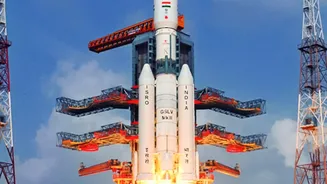
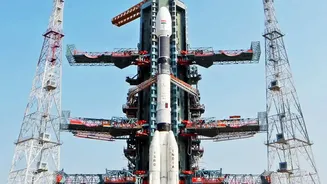
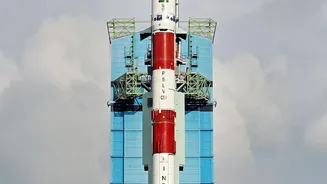
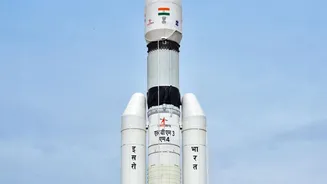
For decades, the Indian Space Research Organisation (ISRO) was the sole player, earning global respect for its cost-effective and successful missions. However, the government now aims to transition ISRO's role towards research and deep space exploration, while letting private companies handle more routine manufacturing and launch services. This strategic pivot led to the creation of the Indian National Space Promotion and Authorisation Center (IN-SPACe) in 2020. IN-SPACe acts as a single-window agency, facilitating access to ISRO's facilities and expertise for private firms, and streamlining the authorisation process for private space activities.
Meet India's New Space Entrepreneurs
The policy shift has unleashed a wave of entrepreneurial energy. The number of space startups in India has skyrocketed from just a handful before 2020 to over 400 today. Companies like Skyroot Aerospace, which successfully launched India's first privately developed rocket, and Agnikul Cosmos, known for its 3D-printed rocket engines, are becoming pioneers. Other notable startups include Pixxel, which is building a constellation of hyperspectral imaging satellites, and Dhruva Space. These firms are not just building components; they are developing end-to-end solutions, from launch vehicles to satellite-based services, attracting significant private investment.
The Economic Ambition
The goal behind this liberalisation is ambitious. India currently accounts for about 2% of the global space economy, which is valued in the hundreds of billions of dollars. The government aims to increase India's share significantly, targeting a domestic space economy of USD 40-45 billion by 2030 and USD 100 billion by 2040. This growth is expected to come from satellite manufacturing, launch services for other countries, and a host of downstream applications like satellite broadband, crop monitoring, and urban planning. By attracting global investors, India hopes to accelerate innovation, create high-tech jobs, and establish itself as a competitive, cost-effective hub in the global space market.
The Path Forward
While the opportunity is immense, the path is not without challenges. Indian startups will face stiff competition from established global players like SpaceX and Blue Origin. Navigating the regulatory landscape, ensuring a steady flow of capital, and developing a robust supply chain are critical hurdles. However, with a large pool of engineering talent, a legacy of frugal innovation established by ISRO, and strong government backing, the foundation is solid. The opening of the space sector to private and foreign players is not just an economic reform; it's a strategic declaration of India's ambition to become a leading power in the final frontier.