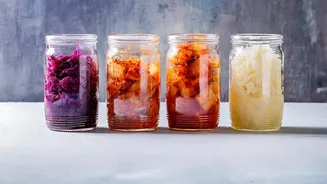





In the constant search for better gut health, urban Indians are rediscovering a powerful solution that isn't a new supplement but an ancient tradition. Fermented foods, long a part of our heritage, are finding a new place in modern kitchens.
The Gut Health Renaissance
There's a
quiet revolution happening in Indian kitchens and restaurants. It’s not about a new, exotic ingredient, but the rediscovery of an age-old practice: fermentation. As urbanites become more conscious of wellness, 'gut health' has become a dominant narrative, and for good reason. With rising instances of lifestyle-related digestive issues, many are turning away from processed items and looking towards food as medicine. This has sparked a renewed interest in traditional fermented dishes, moving them from forgotten practices to trendy, health-forward choices. What was once simply how grandmothers preserved vegetables is now being recognized for its profound digestive benefits.
The Science of Good Bacteria
So, what exactly makes these foods so beneficial? The magic lies in probiotics. Fermentation is a process where microorganisms like bacteria and yeast break down sugars, creating beneficial compounds. These live microorganisms, or probiotics, help balance the delicate ecosystem of your gut microbiome. A healthy gut microbiome is crucial for more than just digestion; it supports your immune system, helps in nutrient absorption, and can even influence your mood. The process of fermentation also breaks down anti-nutrients, making minerals like iron and calcium more available for your body to use. Studies have consistently linked diets rich in fermented foods to greater gut diversity, a key marker of overall health.
Beyond Dahi and Dosa
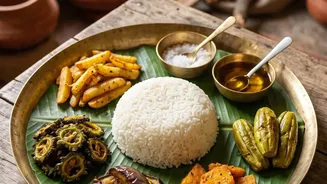
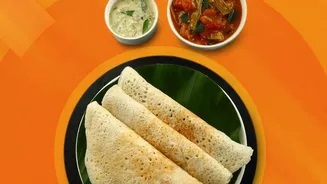
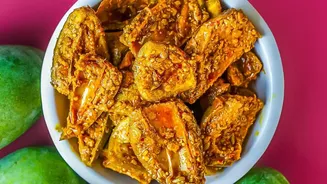
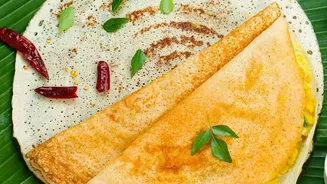
While most Indians are familiar with dahi (curd), idli, and dosa, the country's fermentation tradition is incredibly diverse. Across India, regional cuisines feature a vast array of fermented treasures. In the North, there is Kanji, a tangy, probiotic-rich drink made from black carrots and mustard seeds, traditionally enjoyed as winter turns to summer. From the Northeast comes Gundruk, a preparation of fermented leafy greens with a unique, pungent flavour, and Hawaijar, a fermented soybean dish. Pakhala, or fermented rice, is a staple in Eastern India, known for being cooling and easy to digest. Even traditional Indian pickles (achar), when made without vinegar and using a salt-based lacto-fermentation process, are a source of these beneficial microbes.
From Home Experiments to High-End Restaurants
This revival isn't just happening at home. The trend is being amplified by chefs and restaurants in metropolitan hubs like Mumbai, Delhi, and Bengaluru. What was once a humble preservation technique is now a signature element in modern Indian dining. Chefs are exploring everything from housemade kombuchas and artisanal vinegars to unique condiments made from fermented local ingredients. Chef Vanika Choudhary of Noon in Mumbai, for instance, has a 'fermentation library' of over 150 ferments using indigenous Indian ingredients. These culinary innovators are blending ancient techniques with modern creativity, introducing diners to complex flavours while celebrating a rich heritage.
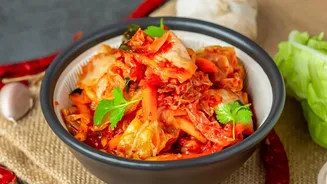
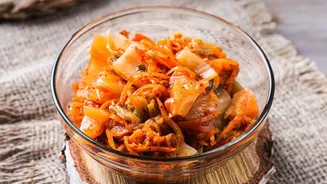
Incorporating these foods into your diet is simpler than it sounds. It can start with making a conscious choice to consume homemade dahi over commercially packaged, sweetened yogurts, which often have their live cultures destroyed by heat treatment. Exploring traditional pickles, trying a glass of Kanji, or ensuring your idli and dosa batter is naturally fermented are all great starting points. The key is consistency. A small daily addition can, over time, help rebuild the gut health that traditional diets naturally maintained. As the market responds, readytouse fermented batters, kombucha, and kimchi are also becoming widely available in urban supermarkets, making it easier than ever to add these gutfriendly foods to your plate.