

Respect the Unpredictable Weather
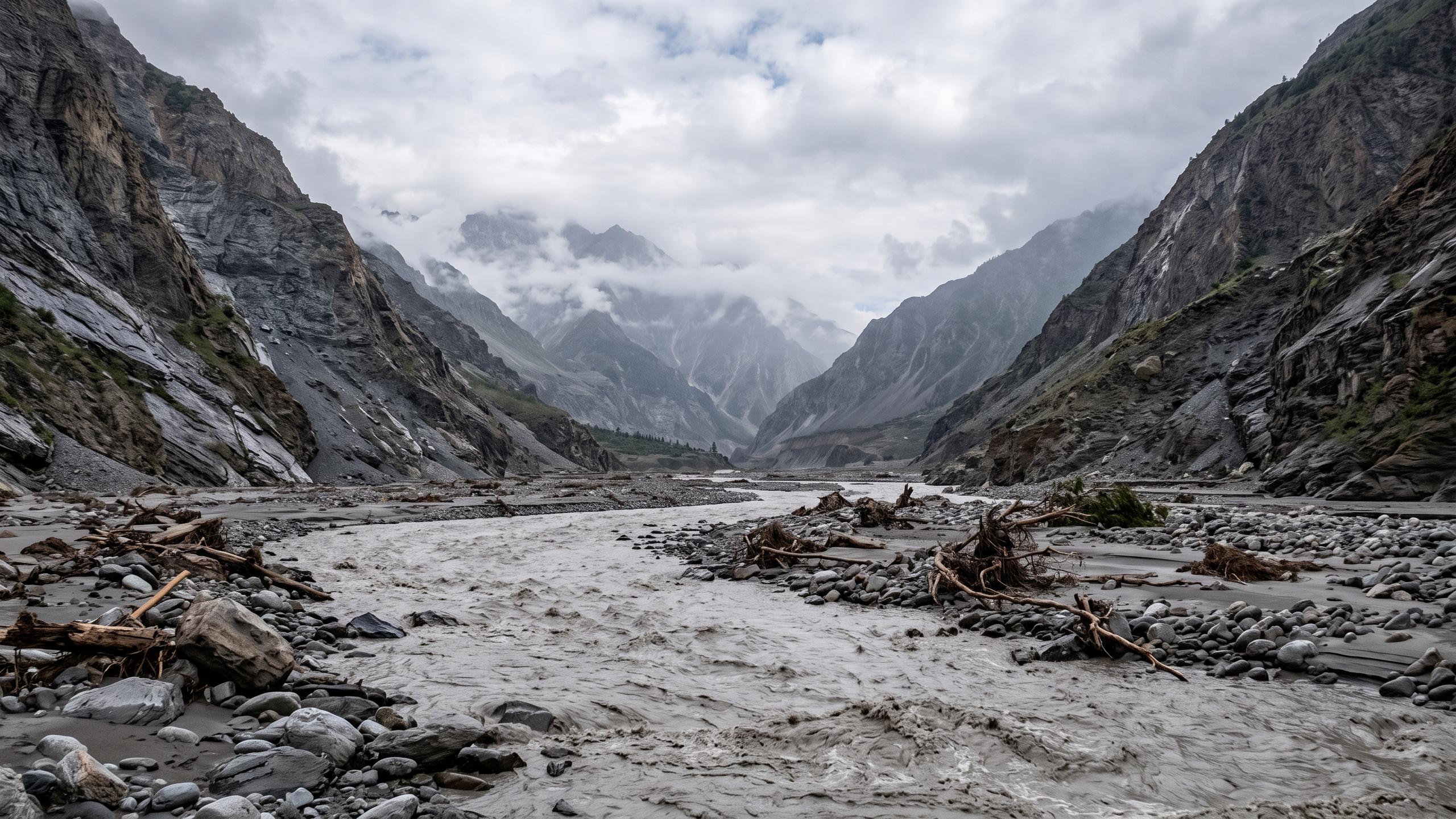
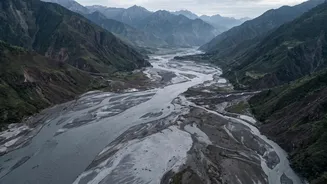
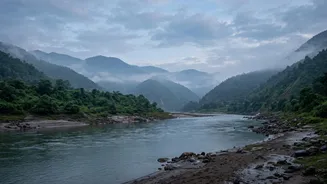
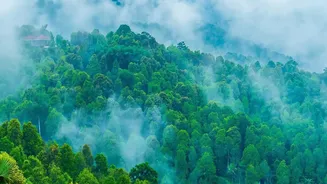
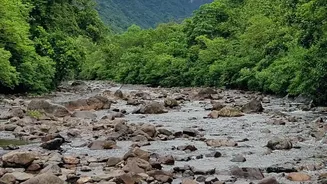
The mountain environment is notoriously fickle, and weather can change in minutes. What starts as a sunny day can quickly turn into a blizzard with heavy snowfall, dense fog, or torrential rain, leading to landslides and avalanches. As seen in a recent
disaster where an ice-rock avalanche triggered catastrophic flooding, climate change is making these patterns even more erratic. A beautiful valley can become a death trap without warning. Never assume the weather will hold. Always check hyper-local forecasts before setting out, pack layers for all conditions including waterproof and windproof jackets, and be prepared to turn back if conditions deteriorate. Your itinerary is a guide, not a non-negotiable contract with nature.
Never Underestimate Altitude Sickness
Acute Mountain Sickness (AMS) is one of the most significant dangers when trekking in Nepal. It can affect anyone, regardless of age or fitness level, and occurs when your body can't adjust to the lower oxygen levels at high elevations. Symptoms often mimic a hangover, including headaches, nausea, dizziness, and fatigue. If ignored, AMS can progress to life-threatening conditions like High-Altitude Pulmonary Edema (HAPE) or High-Altitude Cerebral Edema (HACE), where fluid builds up in the lungs or brain. The key to prevention is gradual acclimatisation. Ascend slowly, plan rest days, stay extremely hydrated by drinking 3-4 litres of water daily, and avoid alcohol. If you experience symptoms, do not ascend further. Rest or, if symptoms worsen, descend immediately.
The Right Guide and Gear Aren't Luxuries
Trekking with a licensed, experienced local guide is now mandatory for most major routes in Nepal for a reason. A good guide does more than just show you the way; they manage pacing, identify risks, and are your first line of response in an emergency. They understand the terrain and can make critical safety decisions. Similarly, proper gear is non-negotiable. This includes broken-in waterproof trekking boots with ankle support, layered clothing, a quality daypack, and a warm sleeping bag. Showing up without the right equipment not only puts you at risk but also endangers your guide and fellow trekkers who may have to assist you. Your safety is a shared responsibility, and arriving prepared is the first step.
Know the Limits of Solo Adventuring
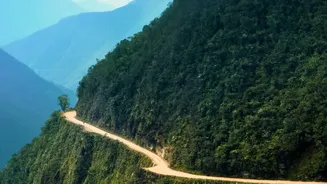
The romantic idea of finding yourself alone in the vastness of the Himalayas can be tempting, but it carries immense risks. The Nepal Tourism Board has banned solo trekking for foreigners in most national parks precisely because too many people have gone missing or required rescue after venturing out alone. On the trail, you must always stay on the mountain side to avoid being accidentally pushed off narrow ledges by passing yak trains or other trekkers. Simple injuries can become life-threatening when you are on your own. Always trek with a guide or as part of a group, inform someone of your plans, and never wander off the main trail. The mountains demand respect for their scale and isolation.
Travel Insurance Is Absolutely Essential
If something goes wrong in the high Himalayas, a rescue can be incredibly complex and expensive. Delays due to administrative red tape have, in the past, proven fatal for injured climbers waiting for evacuation. This is why comprehensive travel insurance is not just a good idea; it's a lifeline. Your policy must explicitly cover high-altitude trekking (often above 5,000 metres) and, crucially, helicopter search and rescue. Read the fine print carefully. Without adequate insurance, the cost of a helicopter evacuation can be financially devastating. It's a small price to pay for the ultimate safety net in a place where access to medical care is limited and challenging.