






The Two Faces of October Weather
October marks the withdrawal of the vigorous southwest monsoon and, for some regions, the onset of the northeast monsoon. This transition makes it a month of contrasts. While much of the country enjoys clear skies and mild sun, the lingering moisture
and changing wind patterns can create unpredictable conditions. In the mountains, the soil is often saturated from months of rain, increasing landslide risks even after the downpours have stopped. Along the coast, particularly the east coast, October is a peak month for cyclone formation, bringing the threat of intense rain and high winds.
Hill Station Hazards: Lingering Rains and Landslides
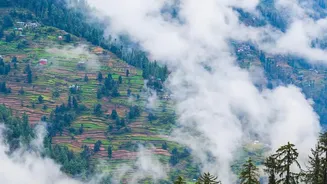
The verdant hills of the Himalayas and Western Ghats are breathtaking in October, but they aren't entirely without risk. The primary danger is landslides. Heavy monsoon rains leave the soil unstable, and even moderate post-monsoon showers can trigger slips. This can lead to road blockages in popular destinations like Himachal Pradesh, Uttarakhand, and parts of the Western Ghats, potentially causing long travel delays or stranding tourists. It’s common for a road that is clear in the morning to be blocked by the afternoon. Travellers should build buffer days into their itineraries and avoid driving on mountain roads after dark when visibility is poor and risks are higher.
Early Snow and Dropping Temperatures
In higher Himalayan regions like Ladakh and parts of Uttarakhand and Himachal Pradesh, October can also bring the first snowfall of the season, especially in the latter half of the month. While beautiful, this can lead to the closure of high-altitude passes and a sharp drop in temperatures, catching unprepared travellers by surprise. If you're heading to these areas, pack layers, including warm jackets, and check with local authorities about road accessibility before you travel. In places like Kashmir, the weather can be pleasant, but it's wise to be prepared for cold conditions, especially in areas like Gulmarg or Pahalgam.
Coastal Concerns: The Northeast Monsoon and Cyclones
While the west coast, including Goa and Mumbai, tends to become drier and more settled in October, the east coast faces a different set of challenges. October to December is the primary cyclone season for the Bay of Bengal, which experiences four times more cyclonic activity than the Arabian Sea. States like Tamil Nadu, Andhra Pradesh, and Odisha are particularly vulnerable. Cyclones bring torrential rain, destructive winds, and storm surges, leading to widespread flooding. Even if a cyclone doesn't make landfall, its presence in the bay can cause rough seas and heavy rainfall along the coast.
Navigating the Southern Coasts
The northeast monsoon, also known as the retreating monsoon, begins in October and primarily affects the southeastern coast. For Tamil Nadu, this period brings a significant portion of its annual rainfall. This means that while the rest of India is drying out, destinations like Chennai and Puducherry could experience heavy downpours and localised flooding. Swimming in the sea can also be dangerous due to strong currents that persist after the southwest monsoon. It’s essential for travellers in these regions to monitor weather forecasts closely.
A Smart Traveller's Checklist for October
Being aware of the risks is the first step to a safe trip. Before and during your travels, make it a habit to: Check the India Meteorological Department (IMD) for daily forecasts and warnings for your specific destination. Pack for variable weather, including rain gear and warm layers for hill stations. Have a flexible itinerary with buffer days, especially for mountain journeys. Avoid driving in the hills at night and stay away from overflowing rivers or streams. In coastal areas, heed all warnings from local authorities and avoid venturing into rough seas. Always share your travel plans with family or friends.