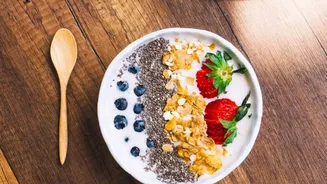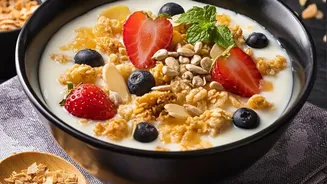



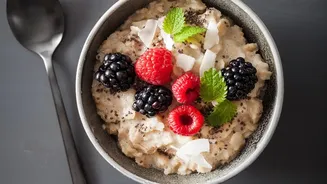
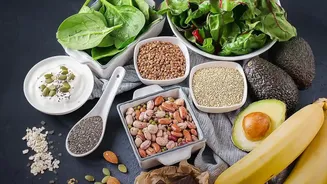
Managing diabetes often starts with the first meal of the day. A simple yet powerful habit is adding a spoonful of mixed seeds to your breakfast. This small step can significantly help in stabilising blood sugar and enhancing your morning nutrition.
Why Seeds Are a Superfood for Diabetes
Before
diving into the specific seeds, it's important to understand why they are so beneficial. Seeds are nutritional powerhouses packed with fibre, healthy fats, protein, and essential minerals like magnesium. For individuals managing diabetes, this combination is a winning formula. The high fibre content, particularly soluble fibre, slows down the absorption of sugar into the bloodstream, preventing sharp spikes after meals. Healthy fats, like omega-3s, help improve insulin sensitivity and reduce inflammation, both of which are crucial in diabetes management. Their low carbohydrate profile means they have a minimal impact on blood glucose levels, making them an ideal addition to any meal.
1. Flax Seeds: The Fibre and Omega-3 Star
Flax seeds are renowned for their high content of alpha-linolenic acid (ALA), a plant-based omega-3 fatty acid, and lignans, which are powerful antioxidants. Research shows that the soluble fibre in flax seeds forms a gel-like substance in the gut, which slows down digestion and the release of glucose. This leads to better post-meal blood sugar control. Studies have also linked flax seed consumption to improved insulin sensitivity. For maximum benefit, it's best to consume flax seeds in their ground form, as the whole seeds can pass through the digestive system without being broken down, limiting nutrient absorption.
2. Chia Seeds: The Blood Sugar Stabiliser
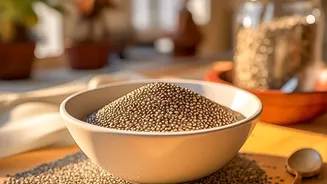
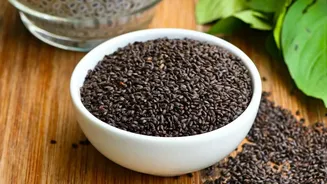
Like flax, chia seeds are exceptionally rich in soluble fibre. When mixed with liquid, they form a thick gel that slows the breakdown of carbohydrates, leading to a more gradual increase in blood sugar. This makes them highly effective at preventing post-meal glucose spikes. A two-tablespoon serving provides about 10 grams of fibre. Chia seeds are also a good source of omega-3 fatty acids and protein, which promote a feeling of fullness, helping with weight management—a key aspect of controlling type 2 diabetes.
3. Pumpkin Seeds: The Magnesium Powerhouse
Pumpkin seeds are an excellent source of magnesium, a mineral that plays a vital role in over 300 bodily processes, including insulin secretion and glucose metabolism. Many people with type 2 diabetes have low magnesium levels, and adequate intake is associated with better blood sugar control and improved insulin sensitivity. These seeds also provide healthy fats, protein, and zinc, which further supports insulin function. Studies have shown that consuming pumpkin seeds can significantly reduce blood sugar levels after a meal.
4. Sunflower Seeds: Rich in Healthy Fats and Vitamin E
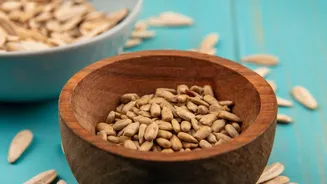
Sunflower seeds are packed with healthy monounsaturated and polyunsaturated fats, including linoleic acid. These fats, along with the seed's protein and fibre, help slow stomach emptying, allowing for a more gradual release of sugar from carbohydrates and preventing blood sugar spikes. They are also one of the best natural sources of Vitamin E, a potent antioxidant that helps combat inflammation and oxidative stress, which are often elevated in individuals with diabetes. Some studies suggest daily consumption may help reduce fasting blood sugar over time.
5. Sesame Seeds: The Lignan-Rich Regulator
Sesame seeds contain unique compounds called lignans, particularly sesamin, which have been studied for their positive effects on metabolic health. Research indicates that sesame seeds can help improve glycemic control by slowing glucose absorption and enhancing insulin sensitivity. They are a good source of fibre, healthy fats, and protein, all contributing to their low-glycemic nature. The minerals in sesame seeds, including magnesium and zinc, further support their role in a diabetes-friendly diet.
How to Create and Use Your Morning Seed Mix
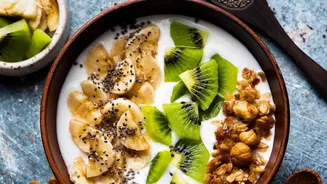
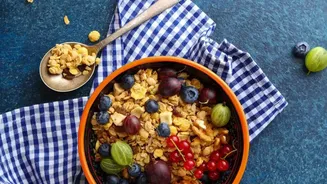
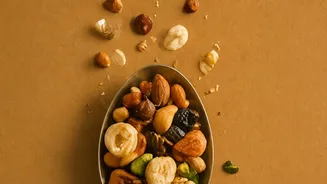
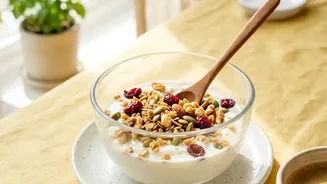
Creating your own seed mix is simple. Combine equal parts of raw, unsalted flax, chia, pumpkin, sunflower, and sesame seeds. To maximise the benefits of the flax seeds, it is best to grind the entire mixture. You can use a coffee grinder or a highspeed blender for this. Store the ground mix in an airtight container in the refrigerator to protect the delicate fats from going rancid. Aim for one to two tablespoons of the mix each morning. It can be easily sprinkled over oatmeal, mixed into yogurt or cottage cheese, or blended into a smoothie. This simple addition can turn a standard breakfast into a nutrientdense,
blood sugarbalancing meal.