





The Heartbeat of the Festival
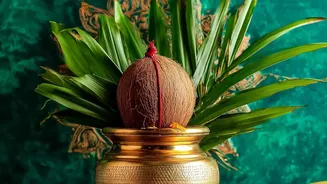
The annual October carnival, a vibrant affair often themed around the 'kalpavriksha' or 'tree of life', is a sensory delight. While the official 'Island Tourism Festival' is a larger event held in January, numerous cultural celebrations dot the calendar,
with October festivities placing a special emphasis on the coconut. These events, like the 'Island Coconut Festival', are designed by the local administration to be more than just a party; they are a crucial platform for economic exchange and cultural preservation. Stalls buzz with activity, showcasing everything the versatile nut has to offer, drawing in tourists and locals alike and serving as a vital marketplace for artisans who depend on this seasonal income. The festival becomes a microcosm of the islands' economy, where tradition and commerce dance hand in hand.
From Shell to Showpiece
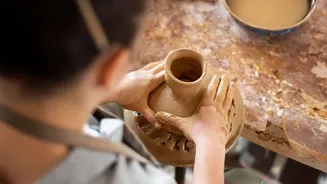
Walk through the festival grounds, and you'll see the incredible ingenuity of Andaman's artisans. The hard coconut shell, once discarded, is transformed into a stunning array of products. Craftsmen skillfully carve and polish shells into intricate jewellery, decorative lampshades that cast a warm glow, and smooth, eco-friendly bowls and cups. These items are not just souvenirs; they are pieces of the island's heritage. The Nicobari coconut shell craft, in particular, has earned a Geographical Indication (GI) tag, a testament to its unique origin and quality. This recognition helps artisans command fair prices and provides a livelihood for many, including women-led self-help groups who are increasingly prominent in the industry.
A Taste of the Islands
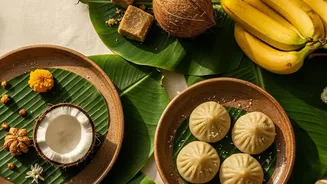
The culinary offerings are a major draw, with coconut as the star ingredient. The festival air is fragrant with the aroma of coconut-based curries and sweets. Visitors can sip refreshing coconut water straight from the source or indulge in local delicacies like coconut barfi and toffees. Cooking competitions often feature prominently, challenging local chefs to create innovative dishes using the fruit, from savouries to desserts. Beyond the festival treats, the production of virgin coconut oil provides a steady economic activity. These culinary products offer tourists an authentic taste of the Andamans, making food a significant contributor to the local economy during the carnival and beyond.
The Economic Ripple Effect
The festival's impact extends far beyond the direct sale of goods. It acts as a powerful catalyst for the entire local economy. The influx of tourists during such events leads to a surge in hotel bookings, transport services, and business for local restaurants and shops. For many artisans and small entrepreneurs, the income generated during this peak period is crucial for sustaining their families and businesses throughout the year. By providing a direct-to-consumer platform, the carnival empowers local producers, reduces reliance on intermediaries, and fosters a sense of community pride. The administration’s focus on these festivals is a strategic move to promote sustainable, community-based tourism that benefits the islanders directly.
Beyond the Carnival Stalls
The economic story of the coconut doesn't end when the festival lights dim. Every part of the 'tree of life' is utilised, reflecting a deep-rooted principle of sustainability. The husk provides coir fibre, which is woven into durable ropes, mats, and baskets. The leaves and stems of the coconut palm are used in traditional Nicobarese mat-weaving, creating products that are both functional and beautiful. This zero-waste approach ensures that the coconut palm is a continuously giving resource. The skills passed down through generations are not just preserved; they are given a modern economic context, allowing ancient traditions to thrive in the 21st century.