






What 'Cold-Pressed' Actually Means
The term 'cold-pressed' refers to how the oil is extracted from seeds or nuts. Using a mechanical press without high heat or chemical solvents, this gentle method keeps the oil's natural flavour, aroma, and nutrients intact. Think of it as the difference
between fresh-squeezed juice and juice from concentrate; the cold-pressed version is unrefined and as close to its natural state as possible. This process ensures the oil retains its original character, which is crucial for authentic-tasting regional dishes.
Mustard Oil: The Pungent Powerhouse of the North & East
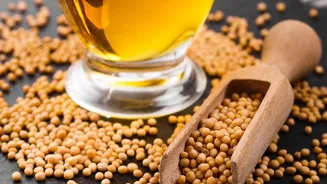
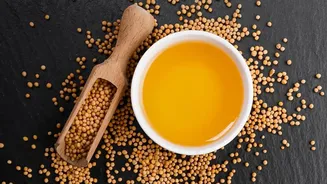
Cold-pressed mustard oil, or 'sarson ka tel', is renowned for its sharp, pungent flavour and is a cornerstone of North and East Indian cooking, particularly in Bengali, Punjabi, and Rajasthani cuisines. Its signature kick comes from a compound called allyl isothiocyanate. To mellow this sharpness for curries, many traditional cooks heat the oil until the first wisp of smoke appears before adding other ingredients. With a relatively high smoke point, it's excellent for deep-frying snacks like pakoras, making fish curries like the Bengali 'shorshe ilish' (hilsa in mustard gravy), and is essential for creating the authentic flavour of 'sarson da saag'. It's also the traditional choice for making pickles, as its natural properties help in preservation.
Sesame Oil: The Nutty Soul of the South
Known as 'til ka tel' in Hindi or 'nallennai' in Tamil, sesame oil is cherished in South India for its rich, nutty aroma and flavour. It is a staple in the cuisines of Tamil Nadu, Andhra Pradesh, and Karnataka. Unlike the toasted sesame oil used in East Asian cooking, Indian sesame oil is pressed from raw seeds, giving it a milder, earthier taste. It is the soul of dishes like 'pulihora' (tamarind rice) and is essential for tempering spices for 'sambar' and 'rasam'. A drizzle over hot idlis served with 'podi' (gunpowder) is a classic combination that highlights the oil's distinct character. Its moderate smoke point makes it suitable for sautéing and shallow frying, and it lends a crisp finish to dosas.
Groundnut Oil: The Versatile Workhorse of the West
Groundnut oil, or 'shengdana tel', is the mild-mannered hero of Western Indian kitchens, especially in Gujarat and Maharashtra. Its gentle, nutty flavour doesn't overpower dishes, making it an incredibly versatile, all-purpose cooking medium. It's the traditional choice for frying snacks like 'vada pav' and 'fafda', and for preparing everyday 'sabzis' and 'shaak'. In Gujarati cuisine, it's used for the 'vaghar' (tempering) in dals, providing a rounded warmth that complements the region's sweet and sour flavour profiles. Maharashtrian specialities like 'misal' and 'bharli vangi' (stuffed eggplants) rely on groundnut oil to build their foundational flavours. Its high smoke point also makes it a stable and reliable choice for deep-frying.
Getting the Best From Your Oils
To make the most of these traditional oils, a few simple practices can make a world of difference. Always store them in a cool, dark place away from direct sunlight to maintain their freshness and prevent them from turning rancid. When using pungent mustard oil, heating it gently until it just begins to shimmer can temper its raw intensity, making it more palatable for certain dishes. For tempering, or 'tadka', ensure the oil is sufficiently hot before adding spices like mustard and cumin seeds; this allows them to pop and release their full aromatic potential. Don't be afraid to use them as finishing oils, either. A light drizzle of raw sesame oil over a finished dish can add a final layer of nutty aroma and complexity that elevates the entire meal.