





The Monsoon Challenge for Balcony Gardens
While the monsoon brings welcome relief from summer heat, it poses a significant threat to container plants. Unlike gardens on the ground where excess water can drain away, balcony pots can become waterlogged quickly. This leads to a host of problems:
roots are starved of oxygen, essential nutrients are washed away from the soil, and the constant dampness creates a perfect breeding ground for fungal diseases and pests. Plants might show signs of distress like yellowing leaves, drooping stems, and a general lack of vigour, turning your thriving green space into a sad, soggy mess.
Introducing the Vertical Panel Solution
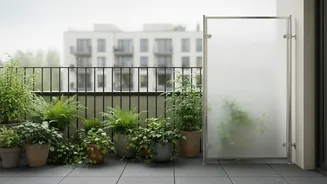
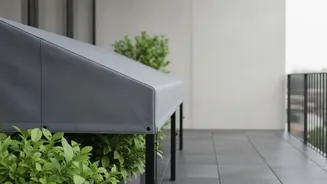
Enter the unlikely hero: vertical waterproofing panels. Typically used in construction to protect building walls from moisture, these panels can be repurposed as highly effective rain guards for your balcony garden. These are often sheets made from materials like PVC, WPC (Wood-Plastic Composite), or other durable, water-resistant composites. The idea is simple: create a vertical barrier that deflects the direct impact of heavy, often slanted, rainfall, preventing your pots from getting soaked while still allowing for air circulation and ambient light.
Key Benefits of Using Rain Guards
The primary benefit is controlled moisture. By shielding your plants from torrential downpours, you prevent overwatering and the dreaded root rot. It also protects the physical structure of the plants; delicate leaves and flowers that can be battered and broken by forceful rain are kept safe. Furthermore, this method helps in retaining the soil and its nutrients within the pot, which would otherwise be eroded or leached out by a continuous flow of water. This simple setup allows you to maintain a more consistent care routine, rather than constantly reacting to unpredictable weather. It’s a proactive step towards ensuring your plants remain healthy and robust throughout the rainy season.
A Practical Guide to Installation
This hack is wonderfully DIY-friendly. You can find suitable panels, such as transparent or coloured PVC sheets, at most hardware stores. First, measure the section of your balcony railing you want to protect. Cut the panel to size. The simplest way to affix the panel is by using sturdy zip ties or wires to secure it to the balcony railings. Ensure it is fastened tightly at multiple points to withstand strong winds that often accompany rain. Position the panels on the windward side from which rain usually drives in. For a less permanent solution, you can create a simple frame using PVC pipes and attach the panel to it, allowing you to position or remove the shield as needed. The key is ensuring the structure is stable and won't become a hazard in gusty weather.
More Monsoon-Proofing Tips for Your Plants
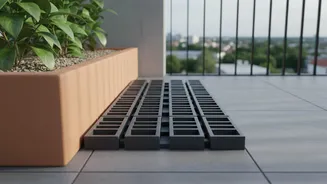
While panels provide an excellent shield, combining them with other good practices will yield the best results. First, ensure all your pots have adequate drainage holes. You can even elevate pots on bricks or 'pot feet' to prevent them from sitting in a puddle of runoff water. During the monsoon, it's crucial to reduce your watering schedule; always check if the top inch of the soil is dry before watering again. It’s also wise to reduce the use of fertilisers, as plant growth naturally slows down in the reduced sunlight. Finally, improve air circulation by spacing your plants out to help the foliage dry faster and reduce the risk of fungal infections.