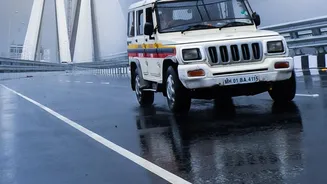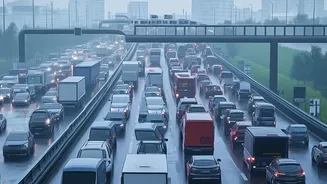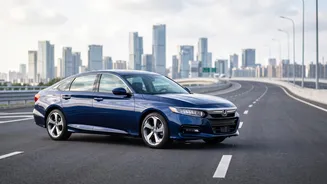



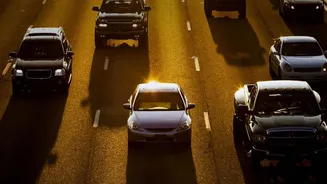

As winter approaches, Delhi is reintroducing strict vehicle restrictions to combat rising air pollution. Starting November 1, certain petrol and diesel cars will be barred from the roads. Here’s what you need to know to avoid penalties.
The New Rules Explained
The Government
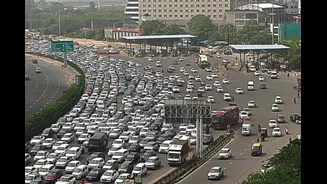
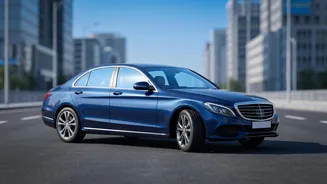
of Delhi, following directives from the Commission for Air Quality Management (CAQM), will enforce a ban on specific categories of vehicles starting November 1. This measure targets older, more polluting vehicles as part of the Graded Response Action Plan (GRAP). The primary vehicles affected are BS-III compliant petrol cars and BS-IV compliant diesel light motor vehicles (LMVs). These restrictions will be active in Delhi and several surrounding NCR districts, including Gurugram, Faridabad, Ghaziabad, and Gautam Buddh Nagar. It's important to note this is a recurring, temporary measure tied to air quality levels and is not a permanent ban. The restrictions are typically enforced when the air quality index (AQI) enters the 'Severe' category, corresponding to Stage III of GRAP.
Why Is This Happening Now?
This vehicle ban is a critical component of Delhi's annual battle against the severe winter air pollution that blankets the region. As temperatures drop, pollutants from sources like vehicular emissions, industrial activity, and stubble burning in neighbouring states get trapped closer to the ground, causing the Air Quality Index (AQI) to spike to hazardous levels. The Graded Response Action Plan (GRAP) is an emergency protocol that implements progressively stricter measures as the air quality worsens. The ban on BS-III petrol and BS-IV diesel cars is triggered under GRAP Stage III, which is activated when the AQI is forecast to be in the 'Severe' range (401-450). The goal is to preemptively reduce emissions from vehicles known to be higher polluters, thereby mitigating the severity of pollution episodes and protecting public health.
Is Your Car on the Banned List?
Determining if your car is compliant is crucial. The most reliable way to check your vehicle's Bharat Stage (BS) emission standard is by looking at its Registration Certificate (RC). The norm is often listed under 'Emission Norms' or a similar field. If it's not on the physical card, you can use the online Vahan portal. By entering your vehicle's registration number on the Parivahan Sewa website, you can access its full details, including the emission standard. As a general guideline, vehicles registered between April 2017 and March 2020 are likely BS-IV, while those registered before April 2017 could be BS-III or older. Vehicles registered after April 1, 2020, are BS-VI compliant and are not affected by this specific ban.
Exemptions and Penalties
Not all vehicles are subject to the ban. Newer vehicles, specifically those that are BS-VI compliant (both petrol and diesel), are permitted to ply on the roads. Additionally, all-electric vehicles (EVs) and cars running on CNG are exempt from these GRAP restrictions. Emergency service vehicles, such as ambulances and fire tenders, and government vehicles involved in enforcement and essential services are also allowed to operate. However, for those who violate the ban, the penalty is steep. Driving a restricted BS-III petrol or BS_IV diesel car during the enforcement period can result in a fine of ₹20,000 under the Motor Vehicles Act. Authorities will use a combination of on_ground enforcement and AI_powered cameras to detect non_compliant vehicles.
Alternatives for Commuters
For those whose vehicles are affected by the ban, planning alternative travel is essential. The Delhi Metro remains one of the most efficient ways to get around the city and is not impacted by GRAP rules. The public bus network, including DTC and Cluster scheme buses, will also continue to operate, offering extensive connectivity across the NCR. Other options include using app_based taxi services, which are expected to comply with emission norms, or carpooling with colleagues or friends whose vehicles meet the BS_VI standard. The government also encourages these alternatives by implementing measures like increased parking fees to discourage private vehicle use during periods of high pollution. This period serves as a reminder of the city's growing need for a robust public transport system and a faster transition to cleaner vehicle technologies.