




What Exactly Is This Elixir?
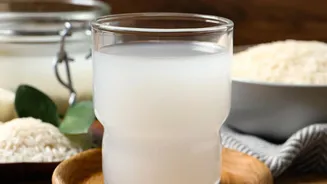
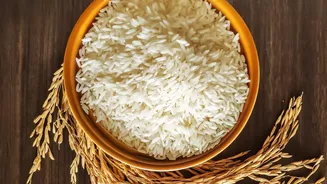
At its core, fermented rice water is the liquid left over after soaking cooked rice in water, typically overnight. This simple process allows natural yeasts and beneficial bacteria to begin breaking down the starches and sugars in the water. In India,
this humble drink is known by many names, including Kanji, Neeragaram, and Pakhala Bhat, and has been a staple for centuries, particularly in southern and eastern states. Traditionally, it was consumed by farmers and labourers for hydration and energy. The fermentation process transforms the starchy water into a nutrient-rich fluid containing probiotics, vitamins, and minerals.
A Tradition Steeped in History
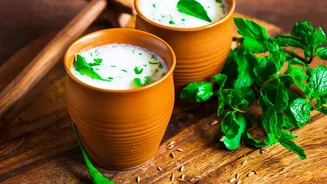
Long before it became a hashtag, fermented rice water was a cornerstone of daily life in many parts of Asia. In India, households would use leftover cooked rice, soaking it in an earthen pot overnight to create a cooling, nourishing breakfast. It was considered a practical way to prevent food waste while creating a meal that was easy to digest and deeply hydrating, especially during hot summers. Different regions have their own variations, some adding shallots, green chillies, or a pinch of salt for flavour. This drink wasn't just for sustenance; it was regarded as a natural coolant and a remedy for digestive ailments. In Odisha, the drink is so culturally significant it has its own day of celebration, Pakhala Dibasa, on March 20th.
Why Is It Trending Now?
The resurgence of fermented rice water is driven by a broader shift towards natural and traditional wellness solutions. Wellness creators on social media have championed the drink as an accessible, homemade source of probiotics, positioning it as an alternative to expensive supplements and commercial products like kombucha. The appeal lies in its simplicity and perceived authenticity. In a world of highly processed foods, the idea of a two-ingredient, age-old remedy for gut health is incredibly compelling. This trend taps into a collective desire for remedies that are rooted in ancestral wisdom and feel more connected to nature.
Decoding the Health Claims
Advocates for drinking fermented rice water point to a long list of potential benefits. The most prominent claim revolves around gut health; the drink is said to be rich in natural probiotics like Lactobacillus, which can help balance the gut microbiome, improve digestion, and reduce issues like bloating and acidity. Other touted benefits include boosted immunity, clearer skin due to its anti-inflammatory properties, and increased energy levels. The fermentation process is also said to enhance the bioavailability of nutrients like B vitamins and minerals already present in rice.
What Does Science Say?
While large-scale human clinical trials on fermented rice water are limited, the science behind fermentation itself supports some of the claims. Fermentation is well-known to produce probiotics, which are beneficial for gut health. A 2024 study published in a PMC journal noted that fermented rice water contains a rich blend of probiotics and postbiotics—beneficial compounds created by bacteria—that can positively influence colon health. Another study found a specific fermented rice drink helped reduce abdominal distension in patients with Irritable Bowel Syndrome (IBS). However, most of the broader claims regarding immunity and skin health are extrapolated from the general benefits of probiotics rather than direct studies on rice water itself.
Potential Risks and Precautions
Despite its benefits, there are important safety considerations, especially with homemade preparations. The biggest risk is contamination. If not prepared hygienically in a clean container, harmful bacteria or mould can grow alongside the beneficial microbes. Experts advise using clean glass or clay pots and ensuring the rice is fully submerged in water. Furthermore, over-fermentation can make the drink unpleasantly sour and may lead to the production of alcohol. It's also not a cure-all; it should be seen as a supportive addition to a healthy lifestyle, not a replacement for medical treatment for chronic digestive conditions.