







The Urban Water Challenge
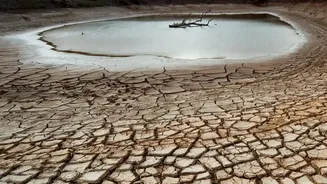
Rapid urbanisation in India has led to a critical issue: our cities are covered in concrete. Roads, buildings, and pavements prevent rainwater from seeping naturally into the ground. Instead, this precious resource rushes into storm drains, contributing
to urban flooding and is ultimately lost. Come summer, the same cities grapple with severe water scarcity as groundwater levels plummet. Over-extraction to meet the demands of a growing population has put immense strain on our aquifers—the underground layers of rock and soil that hold water. Many states have recognised the urgency, with rooftop rainwater harvesting becoming a key strategy to combat this decline. This approach treats rainfall not as a problem to be drained away, but as an opportunity to be seized, right where it falls.
What is a Rooftop Recharge System?
A rooftop rainwater harvesting system designed for groundwater recharge is a straightforward and effective way to replenish local aquifers. The concept is simple: instead of letting rainwater from your roof go to waste, you channel it back into the earth. The system has a few key components. First is the catchment area, which is simply your rooftop. Gutters and pipes then collect this water and direct it downwards. Before it reaches the ground, the water passes through a filtration unit to remove debris, silt, and other impurities. Finally, the filtered water is directed into a 'recharge structure', such as a pit, trench, or an existing borewell, from where it can percolate deep into the soil and replenish the groundwater table.
How Simple Filtration Works
The filter is the heart of the recharge system, ensuring that only relatively clean water enters the aquifer. While pre-fabricated, self-cleaning filters are available and easy to install, many effective systems use a simple, layered, natural filter. These are often built within a pit or a drum. A typical do-it-yourself filter consists of layers of different materials. The bottom layers might be made of larger stones or gravel, followed by a layer of smaller pebbles. Above that, a layer of coarse sand is added, and sometimes a layer of charcoal, which helps remove odours and finer impurities. Each layer is often separated by a mesh or geo-textile cloth to prevent them from mixing. As rainwater passes through these layers, leaves, sediment, and other physical contaminants are trapped, allowing cleaner water to seep into the ground.
The Benefits of Recharging Aquifers
By installing a simple recharge system, a single household contributes directly to its community's water security. The primary benefit is arresting the decline of groundwater levels. When numerous households in a neighbourhood adopt this practice, the collective impact can be significant, raising the local water table. This makes existing borewells more reliable, especially during dry spells. Furthermore, directing runoff into the ground reduces the volume of water flooding storm drains and streets, helping to mitigate urban flooding. Over time, recharging can also improve the quality of groundwater by diluting existing contaminants. It’s an environmentally friendly solution that strengthens a city's resilience against both drought and extreme rainfall events.
Getting Started: What to Consider
Implementing a rooftop recharge system is more accessible than many think. The cost can range from a few thousand rupees for a simple, self-installed system to more for larger, professionally installed ones, depending on roof size and the type of recharge structure. Key factors to consider include your roof material—smooth surfaces like metal or concrete are ideal—and the available space for a recharge pit. It's also crucial to include a 'first flush' diverter, a simple mechanism that prevents the first rain shower, which washes off accumulated dust and debris from the roof, from entering the filter system. While many ready-made filters are available, you can also construct your own using locally sourced materials. In many Indian cities, municipal bodies and state governments offer guidelines and even incentives for rainwater harvesting, so it's worth checking local regulations.