


Analyse the Destination's Geology
Not all hills are created equal, especially during the rains. Some regions are simply more prone to landslides than others. Destinations in the Himalayas, like parts of Uttarakhand and Himachal Pradesh, have steep, fragile slopes that become unstable
with heavy rain. In contrast, hill stations on plateaus, like Mahabaleshwar in Maharashtra, often have more stable, rolling terrain that is less susceptible to major slides. Before booking, do a quick search on the destination’s geological stability. Areas with a history of frequent landslides, such as the Kullu-Manali corridor or the routes to Char Dham, require extreme caution. Choosing a destination with more stable geography is the first step to a worry-free trip.
Check Weather Alerts and Local Advisories
Checking the weather forecast is a non-negotiable step. Use reliable sources like the India Meteorological Department (IMD) website. Pay close attention to any 'Orange' or 'Red' alerts, which signify heavy to very heavy rainfall and an increased risk of disruptions. Beyond the general forecast, look for local advisories. District administration or state disaster management authority websites and social media handles often provide real-time updates on weather and safety. These local bodies will be the first to issue warnings about specific threats like flash floods or potential landslides, making their updates invaluable for your final decision.
Verify Road Conditions and Accessibility
A beautiful destination is useless if you can't reach it safely. Monsoon rains can cause road closures due to landslides, waterlogging, or washed-out bridges. Highways in mountainous regions, especially single-lifeline roads that are the only access point to a destination, are particularly vulnerable. Before you start your journey, check the status of key highways. Talk to local cab drivers or hotel staff, who often have the most current information from a network of drivers on the ground. Always plan your travel during daylight hours, as it’s much harder to spot hazards like fallen rocks or damaged road edges after dark. It's also wise to have a buffer day in your itinerary in case of unexpected blockages.
Confirm Hotel Operations and Location Safety
Once you've confirmed the destination is safe to travel to, turn your attention to your accommodation. Call the hotel directly to confirm they are fully operational. Power cuts can be common in the hills during heavy rains, so ask if they have power backup. Also, inquire about their location. Is the property situated away from streams or rivers that could swell, and is it clear of any slopes known for landslides? Budget hotels in some areas might have issues with dampness or leaks, which can make for an uncomfortable stay. A quick conversation can clarify these points and ensure your stay is both safe and comfortable.
Assess What Activities Are Feasible
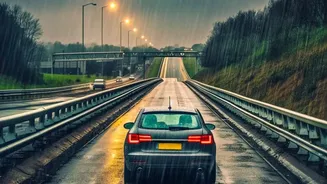
A monsoon trip to the hills isn't about ticking off a long list of sights. Many viewpoints may be obscured by fog, and trekking trails could be dangerously slippery or closed altogether. Consider what you can realistically do. Will you be happy enjoying the view from your balcony with a hot cup of tea, or are you looking for outdoor activities? Some destinations offer experiences that are enhanced by the rain, like visiting waterfalls that are in full flow (from a safe distance) or driving through misty roads. However, always stay away from rivers and avoid entering waterfalls, as water levels can rise suddenly. Be prepared for a slower, more relaxed trip focused on enjoying the atmosphere rather than extensive sightseeing.
Pack Smart for Wet and Chilly Conditions
Proper packing can make or break a monsoon hill vacation. The key is to pack light, but smart. Prioritise quick-drying synthetic clothes over cotton, which stays damp for a long time. A reliable waterproof jacket is essential. For footwear, choose boots or sandals with a strong grip to handle slippery paths. Don't forget to protect your electronics with waterproof bags or pouches. It's also wise to carry a basic medical kit with medicines for common ailments, insect repellent, and a power bank for your devices, as power outages can occur. Having separate plastic bags to store wet or muddy clothes and shoes will keep the rest of your luggage dry and clean.