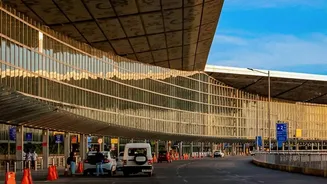







More Than Just a Bigger Airport
At the heart of Madurai's aviation upgrade is a plan to transform it into a true international gateway. In March 2026, the Union Cabinet officially approved its status as an international airport, setting the stage for significant infrastructure growth.
The centerpiece of this expansion is the proposed extension of the main runway from its current 2,285 metres to 3,810 metres. This crucial development will allow the airport to handle larger, wide-body aircraft used for long-haul international flights. For years, the project was stalled by challenges in acquiring the necessary 600-plus acres of land, but legal hurdles were substantially cleared in early 2026, paving the way for work to begin. The master plan also includes a new terminal building, additional aircraft parking bays, and a new Air Traffic Control (ATC) tower to manage the expected increase in flight movements.
The Real-Time Saver: Skipping the Layover
The single biggest impact on door-to-door travel time comes from eliminating layovers. Currently, many international travellers heading to Madurai and the surrounding southern districts must first fly into a major hub like Chennai, Bengaluru, or Mumbai, followed by a connecting domestic flight or a long road journey. This can add several hours, complexity, and stress to any trip. The upgrade to an international airport, coupled with a longer runway, will enable direct flights from Madurai to global destinations, particularly in Southeast Asia and the Middle East, where a significant diaspora from southern Tamil Nadu resides. Direct connectivity means a passenger could leave their home in Theni or Virudhunagar and arrive at their international destination with only one airport check-in and one flight, drastically cutting down the overall transit time.
An Economic Engine for the Southern Districts
This expansion is about more than just passenger convenience; it's a strategic move to boost the entire regional economy. By providing direct international access, the airport becomes a powerful catalyst for trade. Local industries, including textiles, agriculture, and manufacturing, will gain faster and more efficient routes to global markets. The plan includes enhanced cargo facilities, with proposals for cold storage to support the export of perishable goods like the famous Madurai jasmine. Furthermore, the upgrade is expected to significantly increase tourism. Madurai is home to the world-renowned Meenakshi Amman Temple, a major pilgrimage site. Easier access for international tourists and pilgrims will benefit not only Madurai but also nearby destinations like Rameswaram and Kodaikanal, stimulating growth in hospitality, transport, and local handicraft sectors.
Laying the Groundwork for Future Growth
The vision for Madurai Airport is being implemented in phases. Even before the full runway extension is complete, the Airports Authority of India (AAI) has initiated interim upgrades to handle growing traffic. The airport began 24/7 operations in late 2024, providing more scheduling flexibility for airlines and increasing flight movements. An expansion of the existing terminal is also underway to increase annual passenger capacity from 2.9 million to 4 million, which will help ease current peak-hour congestion. These steps show a commitment to improving the passenger experience now while preparing for the transformative impact of the larger expansion project. The official international status granted in 2026 is the policy trigger that accelerates all these related developments, from building new terminals to securing the final parcels of land needed for a truly global-standard runway.