

The Fading Ink of Tradition
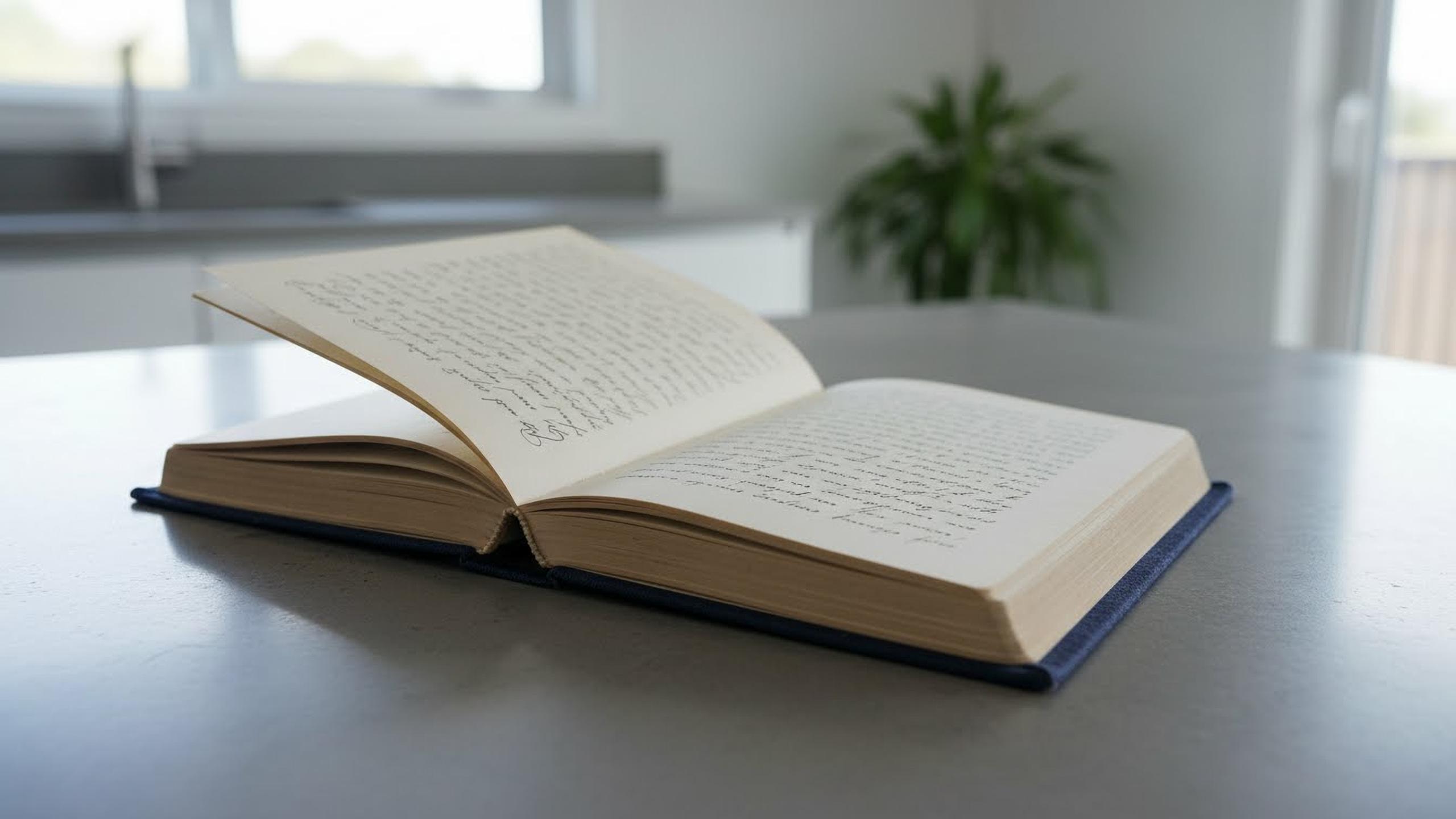
For generations, the heart of Indian home cooking wasn't found in a published cookbook but in a personal diary. These journals, filled with a grandmother’s elegant cursive or a father’s hurried scrawl, hold the keys to unique family legacies: the precise
measure for a Navratan korma, the secret ingredient in a Chettinad masala, or the specific roasting time for a perfect garam masala. These documents are more than just instructions; they are tangible links to family history. But they are fragile. Ink fades, paper yellows, and pages tear. With each passing year, these invaluable records, often written in regional scripts, become harder to read and are at risk of being lost forever. This silent disappearance threatens not just individual family traditions but also the rich diversity of India's culinary heritage.
A Digital Lifeline Called Vision AI
Enter the unlikely hero: artificial intelligence. Specifically, Vision AI and advanced Optical Character Recognition (OCR) are emerging as powerful tools for culinary preservation. Think of it as a highly specialised digital scanner that can do more than just see words; it can read and understand them, even when they’re handwritten. By training on vast datasets of handwriting samples, these AI models learn to decipher unique cursive styles, connected characters, and even faded script on stained paper—conditions where standard OCR tools typically fail. For food bloggers and culinary historians, this technology is a game-changer, offering a bridge between the analogue past and the digital future.
From Scrawls to Screens
The process is surprisingly straightforward. A food blogger can simply take a high-quality photograph of a recipe page with their smartphone. This image is then uploaded to an AI-powered platform or application. The Vision AI gets to work, identifying and transcribing the handwritten text into a digital format. The true magic lies in its ability to parse complex information, separating ingredients from instructions and organising them into a structured, editable recipe. While the technology is impressive, it's not yet perfect, especially with the complexities of India's diverse scripts, which feature unique characters and ligatures that can challenge even advanced systems. However, accuracy is improving rapidly, with some systems achieving high success rates, especially when trained on specific handwriting styles.
The Spice Keepers Go Global
Once digitised, these recipes are no longer confined to a single, fragile notebook. Food bloggers, who act as modern-day storytellers, can now easily share their unique family heritage with a global audience. The AI's ability to not only transcribe but also translate these recipes breaks down language barriers, allowing someone in another country to recreate a treasured family dish from a remote Indian village. This process ensures that the specific nuances—the 'andaaz'—of a family’s cooking are preserved and celebrated. For the vast Indian diaspora, this technology offers a powerful way to reconnect with their roots, allowing them to cook the same dishes their ancestors did, using recipes passed down through a digital archive.
More Than Just a Recipe
The digitisation of a recipe is about more than just preserving a list of ingredients; it's about safeguarding cultural identity. Each handwritten note, with its annotations and stains, tells a story of family gatherings, festive celebrations, and the simple love expressed through food. By converting these recipes into a searchable digital format, and often saving the original image alongside the transcribed text, we preserve that context. Food bloggers using this technology are not merely content creators; they are becoming digital archivists. They are building living cookbooks that can be added to, commented on, and passed down to the next generation, ensuring that these culinary traditions continue to evolve without losing their original soul. This fusion of technology and tradition ensures that the flavours of the past will continue to grace tables in the future.