



The Unforgiving Coast
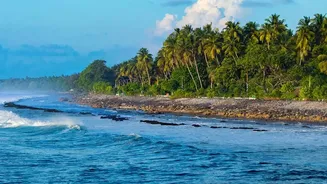
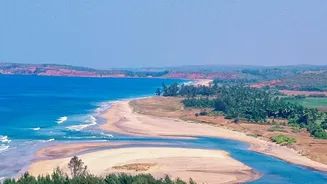
India's eastern coastline, spanning states like West Bengal, Odisha, Andhra Pradesh, and Tamil Nadu, is a hotspot for cyclonic activity. When these powerful storms make landfall, they bring not just high-speed winds but also devastating storm surges—abnormal
rises in sea level that can flood coastal communities, destroy homes, and salinate agricultural land for years. Events like Cyclone Yaas have demonstrated the immense destructive power of these surges, often leaving a trail of devastation that costs lives and livelihoods. For the approximately 20% of India's population living in coastal areas, this is not a distant threat but a recurring reality.
Nature’s First Line of Defense
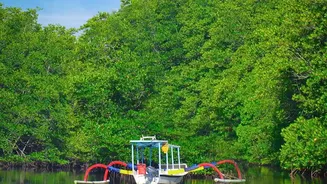
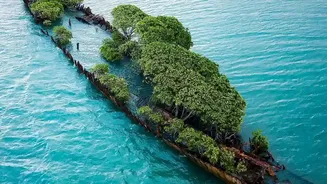
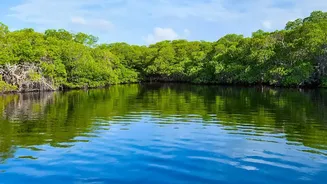
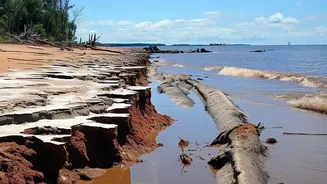
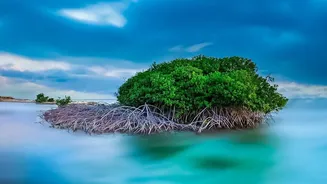
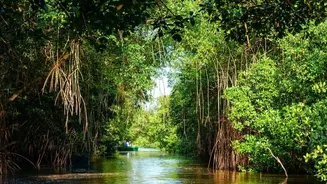
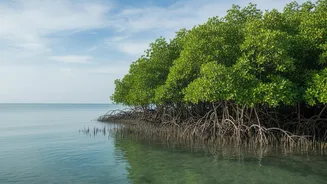
Enter the mangrove, a remarkable group of trees and shrubs that thrive in coastal saltwater. Mangroves are nature's own coastal engineers. Their dense, tangled network of prop roots and trunks acts as a natural barrier, absorbing and dissipating the immense energy of storm waves. Studies have shown that a sufficient width of mangrove forest can reduce storm surge water levels and significantly decrease wave energy, by over 75% in some cases. By slowing the flow of water, they reduce the extent and severity of inland flooding. This network of roots also traps sediment, which helps to stabilize the shoreline and prevent coastal erosion, effectively building up land over time.
Rebuilding the Green Wall
Unfortunately, India has lost a significant portion of its mangrove cover over the last century to coastal development, aquaculture, and pollution. Realizing the critical protective role of these forests, government bodies and environmental groups have initiated large-scale mangrove afforestation and restoration projects. This involves more than just planting trees. It requires identifying suitable saline mudflats, establishing nurseries for salt-tolerant mangrove species, and often engaging local communities who possess traditional knowledge of the coastal ecosystem. These community-led initiatives, like a recent five-year project to plant 500,000 mangroves in the Sundarbans, are crucial for the long-term success and maintenance of these bio-shields.
Success Stories from the Shoreline
Along the eastern coast, the results of these efforts are already visible. In Odisha, community-led restoration projects are turning once-degraded lands back into thriving mangrove forests, protecting villages from tidal surges while creating new employment opportunities. During the 1999 super cyclone in Odisha, villages shielded by mangroves suffered significantly less damage compared to those that were exposed. Similarly, in West Bengal, the vast Sundarbans—the world's largest mangrove forest—acts as a massive, natural buffer for Kolkata and surrounding areas. Projects in Tamil Nadu and Andhra Pradesh are also leveraging these multi-species bio-shields to protect vulnerable coastlines.
More Than Just a Shield
The benefits of mangrove afforestation extend far beyond storm protection. These ecosystems are biodiversity hotspots, acting as critical nursery grounds for countless species of fish and crustaceans, which directly supports the livelihoods of local fishing communities. Mangroves are also incredibly effective at carbon sequestration, capturing and storing up to four times more carbon per hectare than terrestrial tropical forests, making them vital allies in the fight against climate change. Furthermore, they provide timber, fodder, and opportunities for eco-tourism, strengthening local economies in a sustainable way.