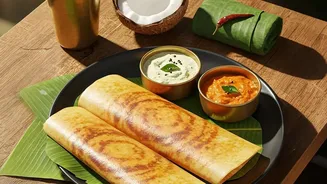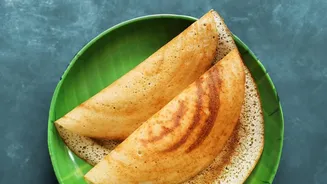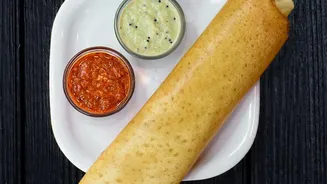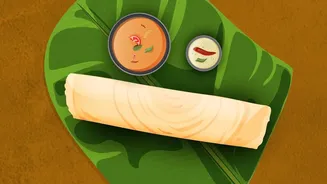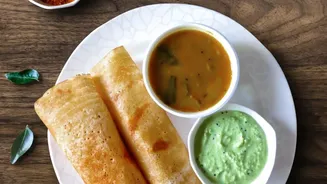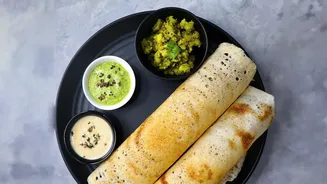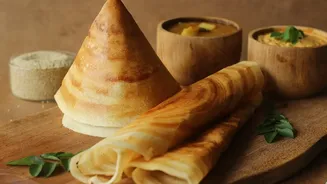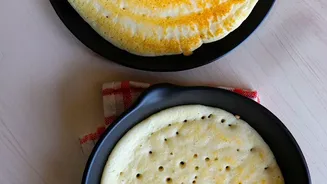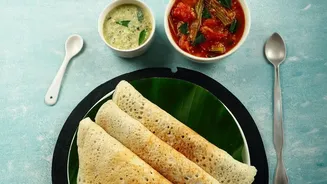



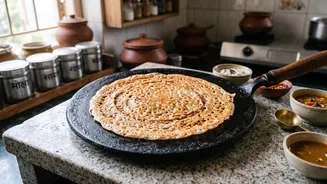
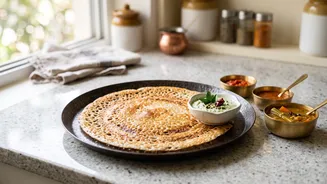
The dream is a golden, paper-thin dosa that cracks with a satisfying crunch. The reality is often a sticky, torn mess. But achieving that perfect dosa on a traditional cast-iron tawa isn't a secret art—it's a science you can master.
The Foundation: A Well-Seasoned Tawa
Before you even think
about batter, the most critical element is your tawa's seasoning. Seasoning is the process of baking oil onto the cast iron, which creates a natural, non-stick surface. A new or poorly seasoned tawa will grab onto batter and refuse to let go. To season, wash and thoroughly dry your tawa. Apply a thin layer of a high-smoke-point oil like sesame or groundnut oil, wiping away any excess. Heat the tawa on a medium flame for 10-15 minutes until it begins to smoke, then let it cool completely. Repeating this process a few times builds a strong, slick patina that improves with every dosa you make. Remember to keep a separate tawa just for dosas to avoid damaging the seasoning with burnt bits from other foods like chapatis.
The Pre-Dosa Ritual
Once your tawa is well-seasoned, a simple ritual before each dosa is key. Heat the tawa on a medium flame for several minutes; cast iron needs time to heat evenly. To check if it's ready, sprinkle a few drops of water on the surface. If the droplets skitter and dance before evaporating, the temperature is perfect. If they just sit and steam, the tawa isn't hot enough. If they vanish instantly with a lot of steam, it's too hot. Just before pouring the batter, many cooks swear by rubbing the hot surface with half an onion dipped in oil. This not only helps prevent sticking but also adds a subtle flavour.
Mastering the Temperature
Temperature management is a constant balancing act. The number one reason dosas stick is a tawa that isn't hot enough. However, a tawa that is too hot is also a problem, as it will cook and seize the batter before you can spread it thinly. The ideal technique is to preheat the tawa until it's properly hot, then reduce the flame to medium-low right before you pour the batter. Cast iron retains heat exceptionally well, so you don't need a roaring flame to maintain the cooking temperature. If the pan gets too hot between dosas, you can sprinkle a little water and wipe it clean to bring the temperature down before making the next one.
Getting the Batter Just Right
The consistency of your dosa batter plays a huge role in the final texture. It should be smooth, well fermented, and pourable, but not watery—think of a thin cream or a slightly thinner crepe batter. If the batter is too thick, it won't spread easily and will result in a soft, thick dosa. If it's too thin, it might create a lacy dosa full of holes. For best results, bring your batter to room temperature before cooking, as cold batter from the fridge doesn't spread as well. Proper fermentation is also crucial; an underfermented batter will lead to a dense dosa, no matter how perfect your technique.
The Art of Spreading and Cooking
With your hot tawa and perfect batter ready, it's time to cook. Pour a ladleful of batter into the center of the tawa. Working quickly, use the back of the ladle to spread the batter outwards in a single, smooth spiral motion. Don't go back over areas you've already spread. Once the batter is spread thinly, drizzle a little ghee or oil around the edges. Now, the most important part is patience. Don't try to lift the dosa too early. Wait until the edges begin to turn golden brown and start to lift away from the tawa on their own. This is your cue that the dosa is cooked and ready to be folded. It will slide off cleanly without any resistance.
Troubleshooting Common Issues
If your dosa still sticks, it's almost always due to one of the three main factors: seasoning, temperature, or batter. If the tawa is new, it just needs more use and seasoning to build up its nonstick layer. If the dosa tears, you may be trying to lift it too soon. If the batter clumps or won't spread, the tawa is likely too hot. If the dosa comes out pale and soft, the tawa was too cold. By paying close attention to these three elements and adjusting your technique, you can diagnose any issue. Remember that every stove and tawa is different, so a little practice is all it takes to find your rhythm and produce flawless, crispy dosas every time.