
Why August 2026 Is a Celestial Festival
August is always a special month for astronomy, but 2026 offers a particularly rich lineup. The warm weather coaxes us outdoors, and the skies are putting on a display that feels like a cosmic festival. The main draw is a stunning alignment of planets,
giving observers a chance to tick multiple worlds off their list in a single night. Adding to the spectacle, the famous Perseid meteor shower peaks under ideal, moonless conditions, promising a flurry of shooting stars. For anyone who owns a small telescope, or has been thinking of dusting one off, this is your month. The events are not just for seasoned astronomers; they are an open invitation to look up and reconnect with the universe from your own backyard.
The Headliner: Saturn Takes Centre Stage
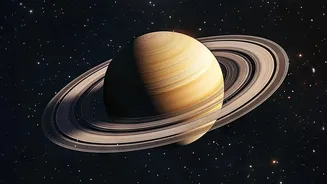
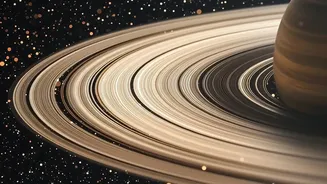
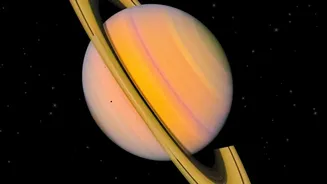
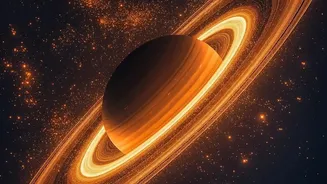
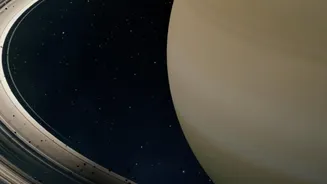
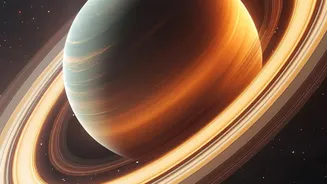
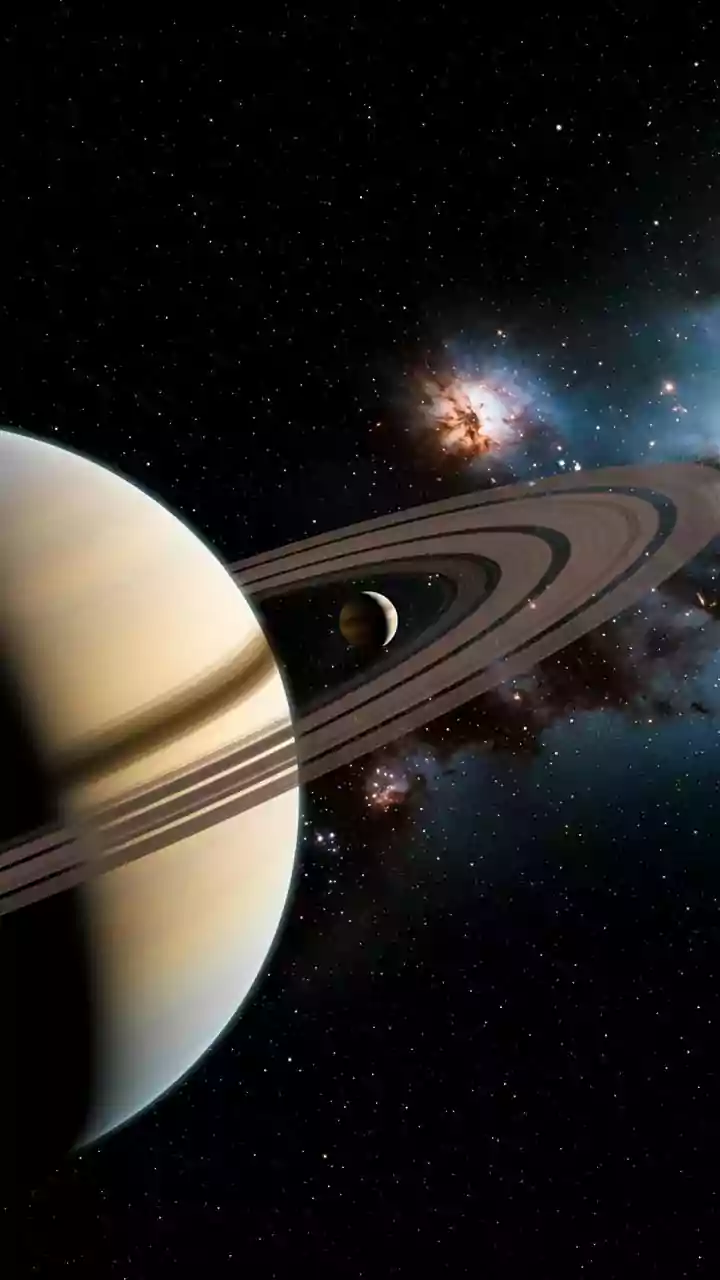
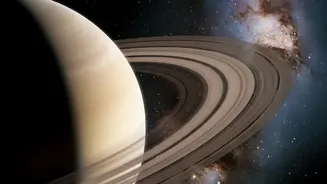
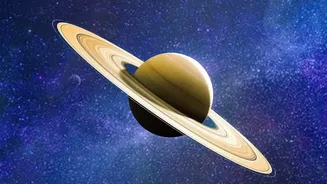
True to the headlines, Saturn is the must-see planet of the season. While its official opposition—when it’s at its absolute brightest and closest for the year—is in early October, August is the prelude you don’t want to miss. The ringed planet rises in the east during the evening and remains visible for most of the night, climbing higher and growing brighter as the weeks go on. For a small telescope user, this is a magical time. Even a modest instrument will resolve Saturn from a simple star into a distinct orb. The true prize is catching a glimpse of its iconic rings. Depending on your telescope's power, you may even spot its largest moon, Titan, appearing as a tiny, star-like companion. Throughout August, Saturn is located in the constellation Pisces, making it a consistent and rewarding target night after night.
The Supporting Cast: A Parade of Planets
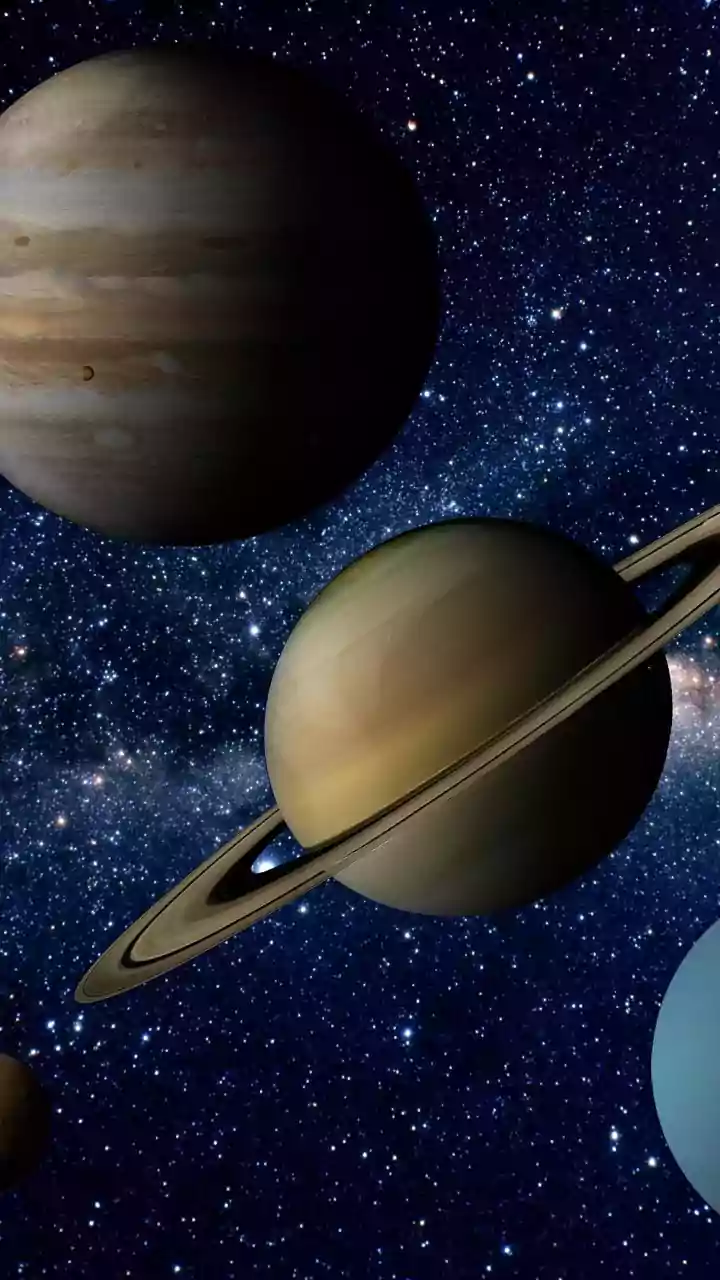
While Saturn may be the headliner, it’s part of a much larger ensemble. Around the morning of August 12, a remarkable six-planet parade will stretch across the pre-dawn sky. This alignment includes Mars, Saturn, Mercury, Jupiter, Uranus, and Neptune. Your easiest catches will be yellowish Saturn and the reddish dot of Mars, both visible to the naked eye. The real challenge and reward for telescope users lie closer to the eastern horizon just before sunrise. There, you’ll find bright Jupiter and Mercury in a close pairing, though you'll need a clear, unobstructed view to spot them in the morning twilight. Meanwhile, brilliant Venus dominates the western evening sky all month, appearing as a dazzling 'evening star' shortly after sunset. Don't forget the distant ice giants; Uranus and Neptune are also in the sky, but you'll need your telescope and a bit of patience to hunt them down.
Cosmic Fireworks: The Perseid Meteor Shower
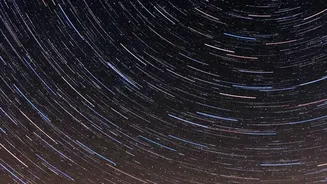
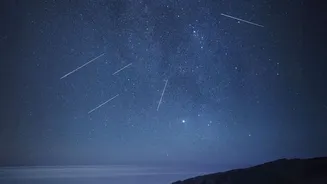
As if the planetary lineup weren't enough, August 2026 also offers front-row seats to one of the best meteor showers of the year. The Perseids are expected to peak on the night of August 12-13. What makes this year's shower particularly special is that its peak coincides with the New Moon. This means the sky will be at its darkest, free from moonlight that would otherwise wash out the fainter meteors. From a location away from city lights, you could see 50 or more meteors per hour. These 'shooting stars' are actually tiny bits of debris left by the comet Swift-Tuttle, and they burn up in our atmosphere in brief, brilliant streaks of light. No telescope is needed for this part of the show; just find a comfortable spot, lie back, and look up.
Tips for Small Telescope Success
To make the most of this celestial bounty, a little preparation goes a long way. First, give your telescope time to adjust to the outdoor temperature—at least 30 minutes is ideal to prevent distorted views. When you begin your search, start with your lowest power eyepiece; its wider field of view makes it much easier to locate your target. Once you've found a planet, you can switch to a higher magnification to see more detail. Perhaps most importantly, give your own eyes about 20 minutes to adapt to the darkness, avoiding your phone or other bright lights. This 'dark adaptation' dramatically increases your ability to see faint objects. Finally, don't get discouraged if you can't see everything at once. Part of the joy of astronomy is the thrill of the hunt.