






The Deception Of High Humidity
During dry summer heat, sweat evaporates quickly, cooling you down. In the monsoon, the air is already saturated with moisture, so sweat clings to your skin without evaporating efficiently. This breaks your body's primary cooling system. You might be
sweating profusely, losing significant amounts of fluid and essential minerals, without feeling the cooling relief. This can lead to a faster-than-expected rise in core body temperature and an increased risk of heat exhaustion and dehydration. The danger is that your body's thirst signal may not keep up, tricking you into thinking you're adequately hydrated when you are not.
Why Water Is Not Always Enough
When you sweat heavily in humid conditions, you don't just lose water; you lose critical electrolytes like sodium, potassium, and magnesium. These minerals are vital for nerve function, muscle contractions, and maintaining proper fluid balance. Drinking large amounts of plain water alone can be counterproductive, as it can further dilute the concentration of these essential salts in your body, potentially worsening the electrolyte imbalance. This is why you might still feel fatigued, dizzy, or experience muscle cramps even after drinking plenty of water. Replenishing these lost minerals is just as important as replacing the lost fluid.
Embrace Electrolyte-Rich Drinks
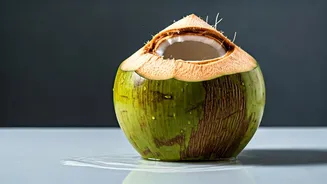
To effectively rehydrate during the monsoon, focus on drinks that restore both fluids and electrolytes. Fortunately, many traditional Indian beverages are perfect for the job. Coconut water is an excellent natural option, rich in potassium. A simple glass of nimbu paani with a pinch of salt and sugar helps replenish sodium and provides energy. Buttermilk (chaas) and curd (dahi) are also great choices, as they are hydrating and contain probiotics beneficial for gut health. For those engaging in strenuous activity, an oral rehydration solution (ORS) can be a lifesaver, designed to restore the precise balance of salts and sugars your body has lost. Warm herbal teas with ginger, mint, or chamomile can also be soothing and hydrating.
Eat Your Water For Better Hydration
Your fluid intake isn't limited to what you drink. Many fruits and vegetables available during the monsoon have high water content and can significantly contribute to your hydration. Cucumbers, which are over 95% water, are incredibly refreshing. Watermelon, tomatoes, oranges, and leafy greens like spinach and lettuce are also excellent choices. Incorporating these into your meals as salads, juices, or just as snacks is an easy way to boost your fluid levels throughout the day. Warm, clear soups and broths are another comforting and effective way to stay hydrated while getting essential nutrients.
Drinks And Habits To Watch
Certain popular beverages can work against your hydration goals. While a hot cup of chai is a monsoon staple, excessive caffeine from coffee and tea can act as a diuretic, causing you to lose more fluid. The same goes for alcohol and sugary fizzy drinks, which can interfere with hydration and add empty calories. It's best to consume these in moderation. Beyond what you drink, pay attention to your body's signals. Thirst is a sign that dehydration has already begun. Other indicators include dark-coloured urine, fatigue, dizziness, headaches, and a dry mouth. Making it a habit to sip water and other hydrating fluids consistently throughout the day, even when you don't feel thirsty, is the key to staying ahead.