



More Than Just a Pretty Corner
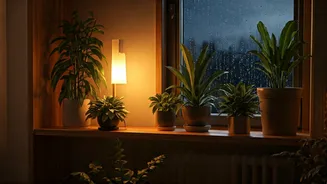
For generations, plants were seen as a simple way to fill an empty corner or add a splash of colour. But today, they represent something more profound. The shift from ornamental accessory to wellness staple is rooted in a concept known as 'biophilia'—the
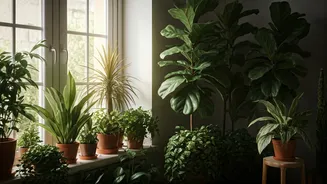
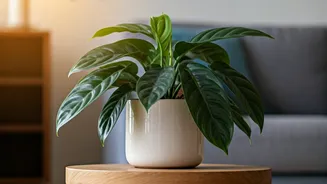
idea that humans have an innate tendency to connect with nature. In our increasingly urban and digital lives, bringing the outdoors in has become a way to restore balance and nurture our well-being. This isn't just a fleeting trend; it's a response to a deeper need for connection. Studies suggest that interacting with indoor plants can lower stress, reduce blood pressure, and create a calming atmosphere, making our homes genuine sanctuaries.
The Science Behind the Green Glow
The wellness benefits of houseplants aren't just anecdotal; they're backed by science. Research has repeatedly shown that the presence of indoor plants can have significant psychological and physiological effects. One study found that actively caring for plants, such as repotting them, can lower the body's stress response, decreasing heart rate and blood pressure. Other studies link the presence of greenery to improved concentration, creativity, and productivity, making a desk plant a worthy colleague. While the famous 1989 NASA study on air purification has been debated, with newer research suggesting you'd need a huge number of plants to significantly clean the air in a home, the psychological benefits are clear. The perception of a fresher space contributes to a feeling of calm and comfort.
A Boost for Your Mental Health
Beyond general wellness, indoor plants have become a powerful tool for mental health support. The simple act of caring for a living thing can provide a sense of purpose and responsibility. For many, the routine of watering, pruning, and watching a plant grow is a form of mindfulness—a quiet, meditative practice that grounds them in the present moment. It’s a gentle hobby that offers tangible rewards: a new leaf unfurling, a surprising bloom, or the simple vibrancy of a thriving plant. This nurturing process has been shown to improve mood, reduce feelings of anxiety and depression, and even boost self-esteem. In a world of constant digital noise, the quiet, steady companionship of a plant can be incredibly restorative.
Designing a Serene and Stylish Space
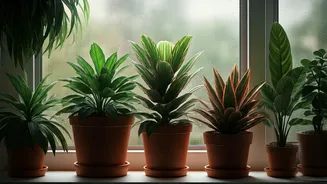
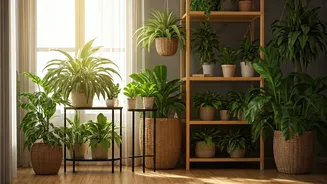
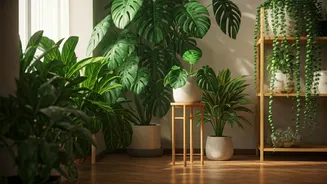
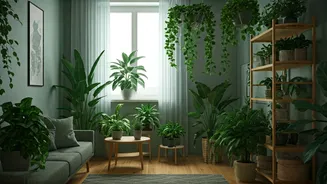
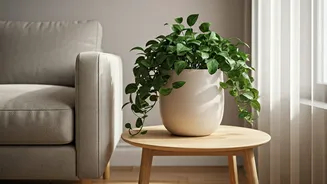
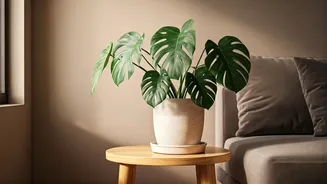
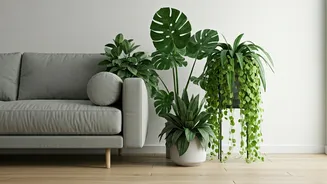
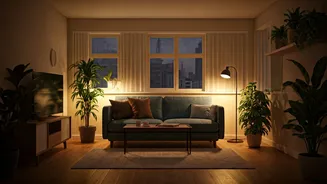
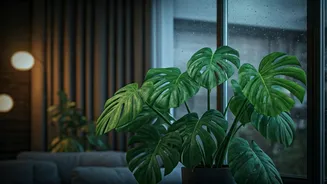
The aesthetic appeal of plants is undeniable, and interior designers are increasingly using them to create spaces that are not only stylish but also serene. Plants soften the hard lines of modern architecture, add organic texture, and bring a sense of vitality to a room. From a large Monstera making a statement in the living room to a trailing Pothos cascading from a bookshelf, greenery can define a space. Designers are creating 'wellness corners' by clustering air-purifying plants for relaxation and even using tall plants like Areca Palms as natural room dividers. The key is to choose plants and containers that complement your home's style, whether it's minimalist, rustic, or modern, creating a cohesive and calming environment.
Your Guide to Getting Started
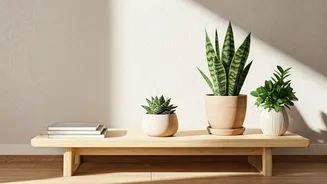
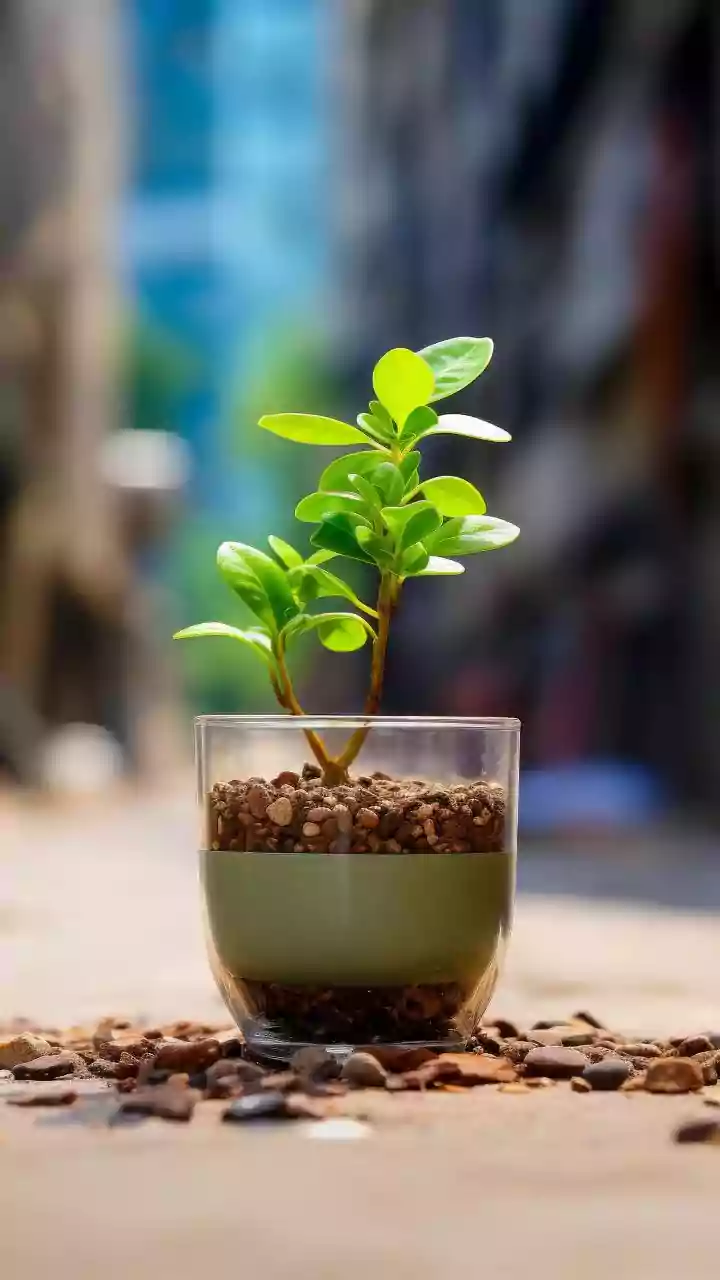
Ready to invite some green into your life? Starting a plant collection in India is easy, thanks to a climate that suits many popular houseplants. For beginners, it's best to choose low-maintenance varieties. The Money Plant (Pothos) is almost indestructible and thrives in both soil and water. The Snake Plant is another excellent choice, as it tolerates low light and infrequent watering, and it even releases oxygen at night, making it perfect for bedrooms. Other great options for Indian homes include the hardy ZZ Plant, elegant Peace Lily, and the popular Aloe Vera, known for its medicinal properties. You can find these at any local nursery. A crucial tip for beginners: most indoor plants suffer from overwatering rather than neglect. Always check if the top inch of the soil is dry before watering again.