





The Post-Workout Craving Conundrum
You’ve just crushed a tough workout. Your muscles are fatigued, your energy stores are depleted, and your brain is screaming for a reward. For many, that reward signal translates into a powerful craving for sugar. It’s a biological response; your body
wants quick carbohydrates to replenish its glycogen stores. While reaching for a candy bar or a sugary drink is tempting, it can also derail your hard work by spiking and crashing your blood sugar without providing the other key nutrients needed for recovery, namely protein. This is the classic dilemma. You need to refuel smartly, but your cravings are pulling you toward pure indulgence. Traditional post-workout options like protein shakes or grilled chicken salads can feel monotonous and unsatisfying when what you truly want is a treat. The mental aspect of recovery is just as important as the physical, and satisfying a craving in a controlled, beneficial way can make your fitness journey feel more sustainable and enjoyable.
Enter the Boba Protein Bowl
Imagine the creamy, earthy flavors of your favorite milk tea, transformed into a thick, spoonable bowl. It’s packed with protein, crowned with fresh fruit, and, most importantly, features those delightfully chewy pearls that make boba tea so iconic. This isn’t a drink; it's a deconstructed, nutritionally-reimagined version of the popular beverage, designed specifically as a post-workout meal. The concept is simple: blend a high-protein base with real brewed tea, then top it with boba pearls and other healthy additions. It merges the fun and flavor of a trendy treat with the functional requirements of athletic recovery. You get the sweetness, the unique texture, and the comforting taste of boba, but in a format that delivers high-quality protein for muscle repair and a balanced mix of carbohydrates for energy.
The Smart Science of the Bowl
This isn't just about tricking your taste buds. A well-constructed boba protein bowl aligns perfectly with the science of post-workout nutrition. After exercise, your body is primed to absorb nutrients to repair muscle tissue and restore energy. The ideal recovery meal contains a combination of protein and carbohydrates. * Protein Power: The base of the bowl—made from Greek yogurt, cottage cheese, or a scoop of your favorite protein powder—provides the essential amino acids needed to repair the micro-tears in your muscles, promoting growth and reducing soreness. * Carb Replenishment: The chewy tapioca pearls, a key component of boba, are primarily starch. In this context, they act as a source of easily digestible carbohydrates to quickly refill your depleted glycogen stores. The natural sugars from fruit toppings also contribute to this process. By combining these elements, you’re not just having a snack; you’re strategically refueling in a way that maximizes recovery while satisfying the sensory experience you crave.
How to Build Your Perfect Bowl
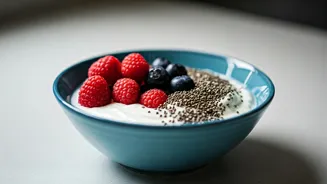
Creating your own boba protein bowl is easy and highly customizable. Think of this as a template to build upon. Here’s a basic framework: 1. The Protein Base: In a blender, combine 1 cup of a protein source with a splash of liquid. Good options include: plain Greek yogurt, low-fat cottage cheese, or a scoop of vanilla or unflavored protein powder blended with a frozen banana for creaminess. 2. The Tea Infusion: Brew a strong cup of tea and let it cool completely. Black tea provides that classic milk tea flavor, but oolong, green tea, or even a floral jasmine tea work beautifully. Add about 1/4 to 1/2 cup of the cooled tea to your blender along with the protein base. This infuses the entire bowl with authentic flavor. 3. The Boba: You can buy quick-cooking tapioca pearls online or at most Asian markets. Prepare a small serving (about 1/4 cup, cooked) according to package directions. Typically, this involves boiling them until they float and become tender. Drain and rinse with cool water. 4. Assemble: Pour your blended protein-tea base into a bowl. Spoon the prepared boba pearls over the top. Add your favorite toppings, such as sliced mango, fresh berries, a sprinkle of chia seeds, or a few crushed nuts for extra texture and healthy fats.
Smart Swaps and Healthy Hacks
While traditional tapioca pearls provide the most authentic experience, they are high in simple carbs. If you're looking for a lower-sugar or higher-fiber option, you can get creative. * Chia Seed "Boba": For a nutrient-dense alternative, make chia seed pudding by mixing 2 tablespoons of chia seeds with 1/2 cup of milk or water and a touch of sweetener. Let it sit for at least 30 minutes until it forms a gel. The small, gelled seeds mimic the texture of mini boba and add a boost of fiber, omega-3s, and protein. * Control the Sweetness: By making the bowl at home, you control the sugar. Most of the sweetness can come from fruit or a small amount of a natural sweetener like honey, maple syrup, or stevia, rather than the sugary syrups found in many commercial boba shops. * Flavor Variations: Experiment with different teas and protein powder flavors. A chai-spiced tea with vanilla protein is a warming combination, while a matcha green tea base offers an antioxidant-rich, earthy flavor.