





The End of the Highlight Reel
For years, monsoon travel was often performative. The goal was to capture the perfect image: leaning out of a train door, standing arms outstretched before a waterfall, or holding a steaming cup of chai against a misty backdrop. The experience itself
was sometimes secondary to the digital proof that you were there. This approach, driven by a ‘pics-or-it-didn’t-happen’ culture, prioritised iconic, easily recognisable destinations that would perform well online. But a palpable shift is underway. Post-pandemic, there's a growing fatigue with this highlight-reel approach to life and travel. Travellers are increasingly seeking trips that offer genuine restoration over fleeting validation. [11, 14] They are trading the pressure of the perfect shot for the simple pleasure of being present.
The Rise of 'Slow' and 'Sensed' Travel
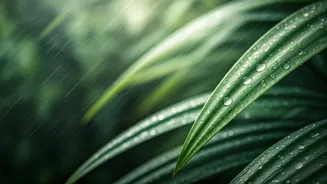
This new ethos is perfectly captured by the rise of ‘slow travel’. Instead of rushing through an itinerary, the focus is on immersion. [13, 18] It's about accepting that a rain-induced delay isn't a disruption but an opportunity to linger, observe, and absorb. [20] This philosophy finds its perfect partner in the Indian monsoon, a season that naturally encourages a slower pace. [18] Beyond just seeing sights, travellers are now engaging in ‘sense-seeing’. They’re choosing destinations to experience the earthy scent of petrichor, the meditative sound of rain on a tin roof, and the vibrant taste of seasonal delicacies. [20, 24] It’s a move from being a spectator to a participant, where the goal is not to consume a place, but to feel it. [13] According to recent booking data, this has led to a surge in searches for destinations that offer relaxation, cultural immersion, and nature-based experiences. [21]
Wellness and the Rains
The shift toward feeling is deeply connected to the wellness boom. Ancient Indian traditions like Ayurveda have long held that the monsoon is the ideal season for rejuvenation and healing. [8] During this time, the air is cool and dust-free, which is believed to help the body’s pores open up and become more receptive to therapies. [2, 8] As travellers become more health-conscious, there's a growing demand for wellness retreats that align with this wisdom. [16] From Panchakarma detoxes in Kerala to yoga by the misty Himalayan foothills in Rishikesh, wellness centres are seeing increased interest. [7, 8] These are not just spa holidays; they are intentional journeys toward restoration, where the rainy, introspective atmosphere becomes an integral part of the healing process. [2]
Exploring the Unseen Path
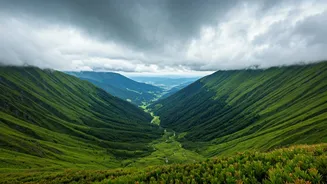
The desire for authenticity is also redrawing the map. While popular spots like Goa and Lonavala still attract crowds, many are now venturing to offbeat destinations to escape the tourist trail. [3, 4, 6] Travellers are exploring the rain-washed coffee plantations of Coorg and Chikmagalur, the living root bridges of Meghalaya, and the quiet, mist-laden villages of the Himalayas. [5, 18, 6] These lesser-known locales offer a chance to connect with nature without the crowds, providing the space and silence that the new emotional travel seeks. [20] The focus is on finding serene homestays, exploring local life, and discovering hidden waterfalls and trails—experiences that feel personal and unique. [9, 15] This trend shows a maturing traveller who is confident enough to prioritise their own experience over a destination's popularity.