






Beyond the Official Stamp
The Food Safety and Standards Authority of India (FSSAI) sets the foundation for food safety with licenses, regulations, and quality standards for everything from packaged goods to restaurant kitchens. This framework is crucial, creating a baseline of accountability.
However, these rules can't govern every moment. Food safety isn't a static state achieved by passing an inspection; it's a dynamic process that relies entirely on the people handling the food. The journey from a farm to your plate involves dozens of hands, and at every step, the real guarantor of safety is not the rulebook, but the routine. The diligence of a single food handler—or lack thereof—can make all the difference.
The Invisible Risks in Your Kitchen
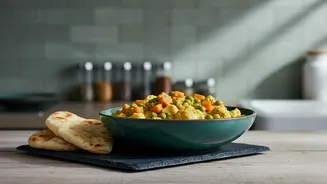
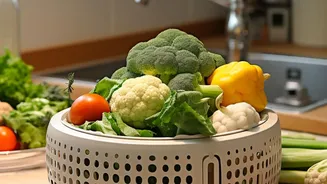
The most common food safety lapses often happen in our own homes, born from habit and convenience. A classic example is using the same chopping board for raw chicken and then for salad vegetables. This simple act of cross-contamination can transfer harmful bacteria from the meat to food that will be eaten raw. Similarly, leaving cooked food like dal or sabzi out on the counter for hours in India's warm climate allows bacteria to multiply rapidly. Experts advise refrigerating perishable food within two hours. Other frequent mistakes include reheating leftovers multiple times, which degrades nutritional value and increases risk, and not washing hands with soap before cooking. These aren't malicious acts, but ingrained routines that undermine the safety of our meals. Adopting stricter habits, such as washing produce thoroughly and using separate utensils for raw and cooked items, is a powerful defence.
The Restaurant's Chain of Trust
When you eat out, you place your trust in a chain of unseen actions. The safety of your meal depends on the daily routines of the entire kitchen staff. Did the chef insist on washing all leafy greens properly? Are high-risk foods stored at the correct temperature to prevent bacterial growth? Did the server wash their hands after clearing a table and before serving your plate? These protocols are the lifeblood of a safe restaurant. A well-run kitchen has a rhythm of hygiene: constant handwashing, sanitizing surfaces, preventing cross-contamination, and ensuring food is cooked to the correct temperature. Food handlers are the front line in preventing foodborne illness, and their training and commitment to these daily practices are more critical than any license displayed at the door.
Navigating the World of Street Food
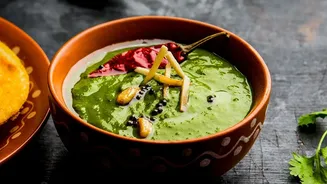
India’s love for street food is unparalleled, but it also presents a unique set of challenges. Here, the vendor's daily routine is on full display, and it’s your best guide to safety. A popular stall with a long queue of locals is often a great sign; high turnover means ingredients are fresh and food isn't sitting around. The safest bet is to choose items that are cooked fresh and served piping hot right in front of you, as high heat is effective at killing bacteria. Be wary of items that involve uncooked ingredients or unpurified water, such as some chutneys or pani puri, unless you can verify the vendor uses bottled water. Observing the vendor's habits—do they handle money and food with the same hands? are their surfaces and utensils clean?—can tell you everything you need to know about the safety of their delicious offerings.
Building Habits for Safer Eating
Ultimately, turning food safety rules into reality comes down to cultivating better habits. It doesn't require a complete overhaul of your life, but rather a mindful approach to a few key actions. Start with the basics championed by the World Health Organization: Keep clean, separate raw and cooked foods, cook thoroughly, keep food at safe temperatures, and use safe water and raw materials. In your kitchen, this could mean designating one cutting board for meats and another for vegetables. When eating out, it means becoming an observant customer. These small, repeated actions transform food safety from an abstract concept into a practical, everyday reality that protects you and your family.