







A Global Recognition Born in India
While yoga’s roots stretch back thousands of years in India, its global day of recognition is a more recent phenomenon. The idea for an International Day of Yoga was proposed by Prime Minister Narendra Modi during his address at the UN General Assembly
in 2014. He eloquently stated, “Yoga is an invaluable gift of India's ancient tradition. It embodies unity of mind and body; thought and action; restraint and fulfillment; harmony between man and nature; a holistic approach to health and well-being.” The proposal received overwhelming support, with a record 177 member states co-sponsoring the resolution. Consequently, on December 11, 2014, the United Nations proclaimed June 21st as the International Day of Yoga. The date was chosen as it is the Summer Solstice in the Northern Hemisphere, the longest day of the year, which holds special significance in many parts of the world.
The Deeper Meaning of the Day
This day isn’t just about striking a perfect tree pose or holding a plank. At its core, International Day of Yoga encourages a deeper connection with ourselves and the world around us. Each year, the celebration is guided by a specific theme designated by the United Nations, often focusing on aspects like “Yoga for Humanity” or “Yoga for Well-being.” The goal is to raise awareness about the practice's holistic benefits, which extend far beyond physical fitness. It’s an invitation to explore the principles of mindfulness, conscious breathing (pranayama), and meditation. It serves as a powerful reminder that yoga is a tool for managing stress, fostering mental clarity, and promoting a sense of inner peace in a fast-paced world. The collective energy of millions practicing together on this day creates a powerful wave of positive intention for global health and harmony.
How India Celebrates in Style
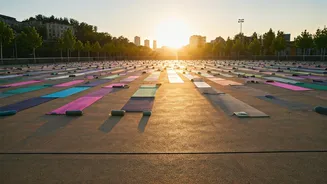
As the birthplace of yoga, India celebrates June 21st with unparalleled enthusiasm. The day is marked by massive public events held in iconic locations, from Delhi’s Kartavya Path to city parks and public squares across the nation. These gatherings see thousands of people—from schoolchildren to senior citizens—rolling out their mats to practice common yoga protocols in unison. The Ministry of Ayush often leads these initiatives, broadcasting them live for people to join from home. Beyond these large-scale demonstrations, communities organise their own events. Yoga studios offer free classes, corporate offices host wellness sessions, and residential societies arrange group practices. The digital world also comes alive with online workshops, tutorials, and challenges, making the celebration accessible to everyone, everywhere.
Your Personal Celebration Plan
You don't need to be in a massive crowd to honour the spirit of the day. Here are a few ways to create your own meaningful celebration:
1. **Revisit the Basics:** Start your day with a simple Surya Namaskar (Sun Salutation) series. Focus on your breath and the movement, expressing gratitude for the practice.
2. **Try Something New:** If you always do Vinyasa, perhaps try a quiet Yin or Restorative class online. If you focus on asanas, dedicate 15 minutes to a guided meditation or pranayama exercise.
3. **Share the Gift:** Introduce a friend, family member, or colleague to a simple, beginner-friendly yoga practice. Sharing the experience can be a powerful way to connect.
4. **Practice Seva:** Embrace the principle of selfless service. Dedicate your practice to the well-being of others or engage in a small act of kindness during your day.
5. **Connect with Nature:** Take your mat outdoors to a park or even your balcony. Practicing in nature can amplify the sense of connection and harmony that yoga fosters.