


What Exactly Is Fermented Rice Water?
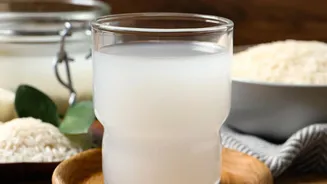
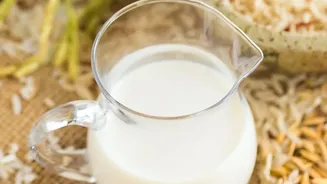
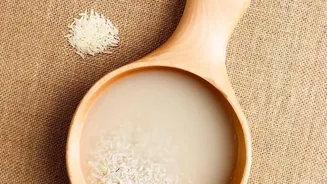
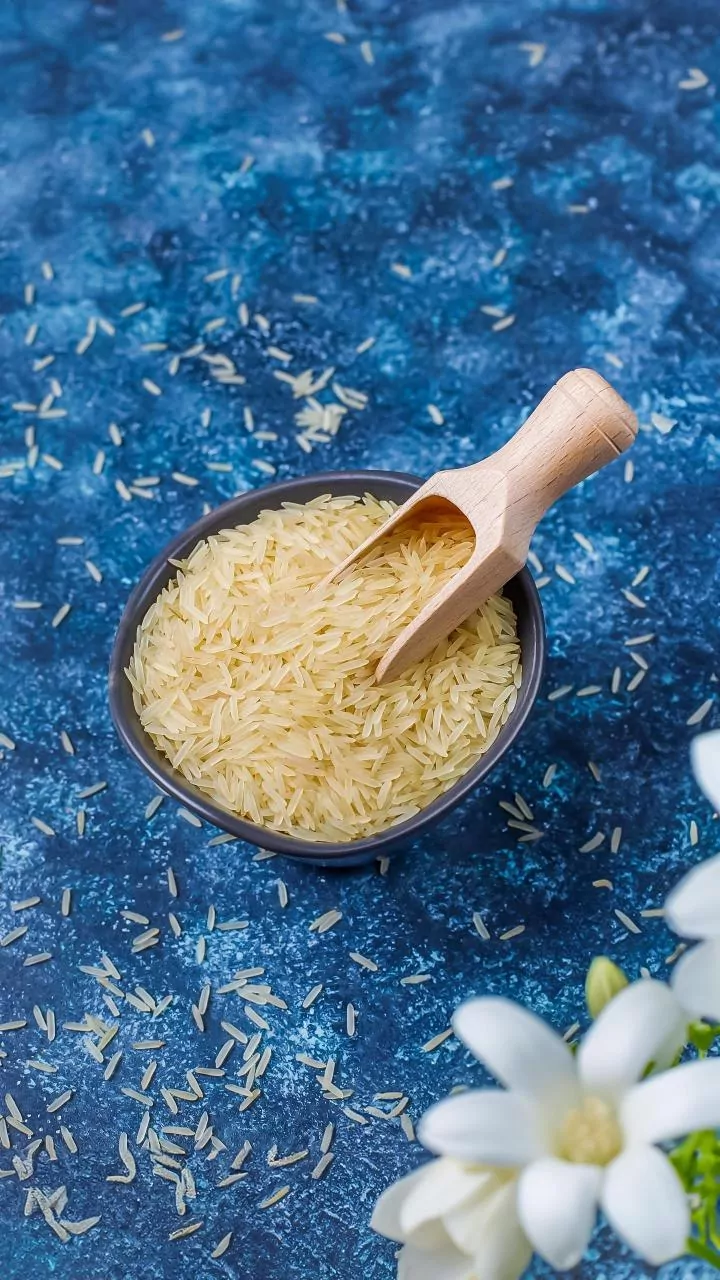
At its core, fermented rice water is the starchy liquid left over after soaking rice, which is then allowed to ferment for a day or two at room temperature. This isn't just letting rice water sit out; fermentation is a transformative process. Microorganisms,
including beneficial bacteria like Lactobacillus, begin to break down the starches and proteins in the water. This process not only creates a liquid rich in nutrients but also lowers its pH, making these components potentially more available for your hair and body to use. This simple concoction is packed with vitamins B and E, amino acids, antioxidants, and a unique compound called inositol, which is often credited with its hair-strengthening properties.
An Ancient Tradition for Lustrous Hair
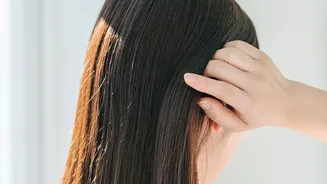
The use of rice water for hair care is far from new. It has been a beauty secret in Asian cultures for centuries, most famously among the Yao women of China's Longsheng region. Known for their exceptionally long, strong, and dark hair that often resists graying well into old age, their primary ritual involves washing their hair with fermented rice water. This historical precedent gives the modern trend a deep-rooted foundation. The theory is that nutrients like inositol penetrate the hair shaft, improving elasticity and reducing surface friction, which leads to stronger, shinier hair with less breakage.
The Gut Health Connection
While the hair benefits have a long history, drinking fermented rice water for gut health is a newer, burgeoning aspect of the trend. In parts of India, a similar preparation known as 'Neeraagaram' is consumed as a traditional health tonic. The logic is that the fermentation process turns the water into a natural source of probiotics (beneficial live bacteria) and, perhaps more importantly, postbiotics. Postbiotics are the beneficial compounds created by bacteria during fermentation, such as short-chain fatty acids, which can help reduce inflammation and strengthen the gut lining. It's also thought to make nutrients more bioavailable, meaning your body can absorb them more easily.
What the Experts and Science Say
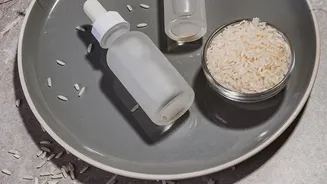
Dermatologists and trichologists acknowledge the anecdotal evidence and plausible science behind rice water for hair. The starches can coat the hair, adding temporary volume, and the amino acids can help strengthen strands. However, they caution that scientific proof from large-scale studies is still limited. For topical use, the main risk is for those with very dry hair or sensitive scalps, as the acidity and protein content could cause irritation or brittleness if overused. When it comes to drinking it, the risks are higher. Improper home fermentation can lead to the growth of harmful bacteria. Nutritionists advise caution, especially for those with existing digestive issues, as the wild probiotics may not be suitable for everyone. Commercially prepared products offer a safer, more stable alternative for both hair and skin.
How to Make Your Own Rice Water Rinse
If you're curious to try a topical hair rinse, the process is simple. Start by rinsing half a cup of uncooked rice with water to clean it. Then, add about two to three cups of filtered water to the rice and let it soak for at least 30 minutes, or up to a few hours. Strain the cloudy water into a clean glass jar. For fermented rice water, cover the jar loosely and leave it at room temperature for 24 to 48 hours. You'll know it's ready when it has a slightly sour smell. To use it, shampoo and rinse your hair as usual, then pour the rice water over your hair, massaging it into your scalp. Let it sit for up to 20 minutes before rinsing thoroughly with warm water. Due to its potency, it's best to start by using it only once a week.