





The Evolution of the Third Place
The term 'third place' was coined by sociologist Ray Oldenburg to describe the crucial anchors of community life that exist outside the home (the first place) and work (the second place). Historically, these were pubs, community centres, and, of course,
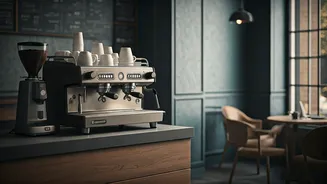
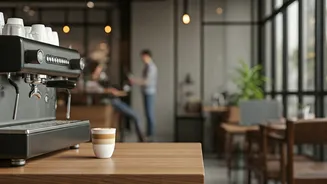
coffee houses. Today, as remote work and the freelance economy redefine our professional lives, the café is stepping up to fill a new, hybrid role. In India, this shift is particularly noticeable in urban centres like Bengaluru, Hyderabad, and Goa, where a booming population of tech professionals, creatives, and digital nomads seeks environments that blend productivity with a sense of community. These spaces are no longer just about serving coffee; they are about serving the needs of a workforce that is more mobile and flexible than ever before.
Anatomy of the Modern Work-Friendly Café
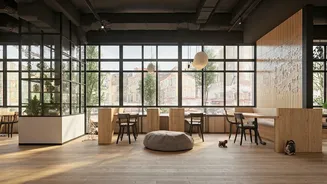
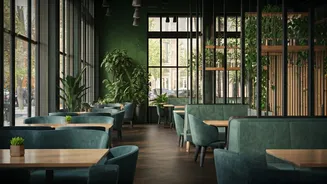
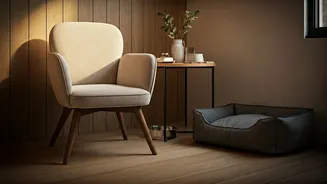
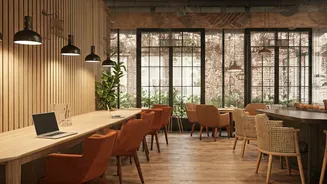
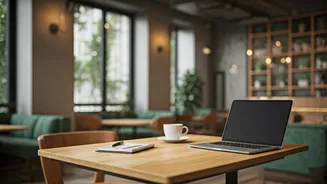
So, what makes a modern café suitable for both a work session and a friendly catch-up? The answer lies in intentional design. The blueprint for today's successful café includes a variety of seating arrangements to suit different needs: think solo nooks for focused work, large communal tables that foster collaboration, and comfortable lounge chairs for relaxed conversations. Non-negotiable elements include abundant, easily accessible power outlets and high-speed, reliable Wi-Fi. Beyond the basics, design now incorporates elements like acoustic planning to manage noise levels, with some cafés creating designated quiet zones. Lighting is also key, with an emphasis on natural light to boost mood and productivity, supplemented by warm, adjustable lighting for a cosy evening ambience.
The Business of Blurring Boundaries
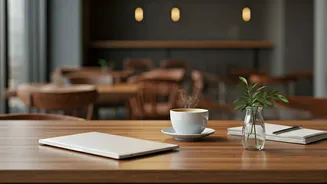
Catering to the 'work-from-café' crowd presents both opportunities and challenges for owners. While remote workers can be valuable repeat customers, their longer stays can impact turnover. To adapt, many cafés are evolving their business models. Some have introduced 'co-working' packages or day passes, which might include unlimited coffee or a credit towards food and beverages, ensuring a minimum spend. Others are implementing technology like QR code ordering and payment systems, which allow patrons to order from their tables without interrupting their workflow. This new model often involves creating distinct zones within the café to cater to different customer types simultaneously—a bustling social area near the front and quieter, work-focused sections deeper inside the space.
More Than a Desk Away From Home
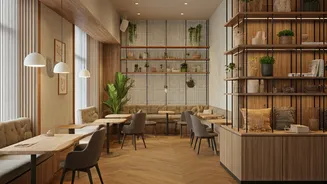
The most successful hybrid cafés understand that they are selling an experience, not just a workspace. They foster a sense of community that a sterile office or an isolated home setup cannot provide. This is achieved through thoughtful details and programming. Some cafés in Pune and Goa have integrated lifestyle and retail elements, hosting everything from pop-up shops to art installations, transforming the space into a cultural hub. Many use design to spark connection, with elements like open layouts, warm materials like natural wood, and abundant greenery creating a welcoming, home-like atmosphere. By hosting workshops, open-mic nights, or simply providing a space where chance encounters can happen, these cafés are building communities and becoming essential parts of their patrons' daily routines.