





The Rainiest Corners of the World
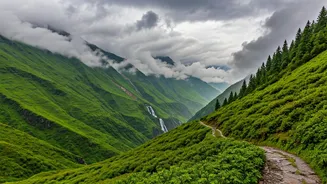
When you think of the wettest place on Earth, your mind likely travels to the lush, verdant hills of Meghalaya in Northeast India. The villages of Mawsynram and Cherrapunji have long vied for this title, both receiving staggering amounts of rainfall annually—often
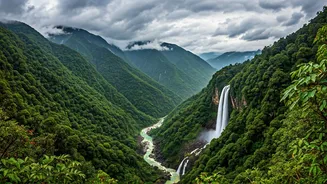
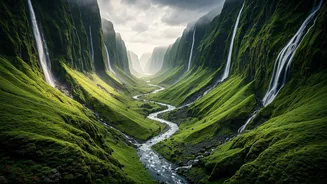
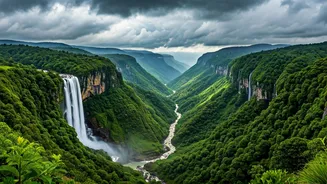
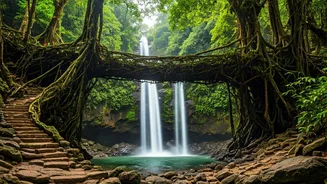
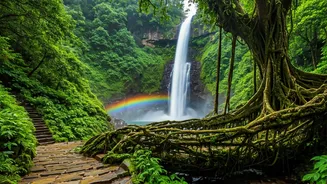
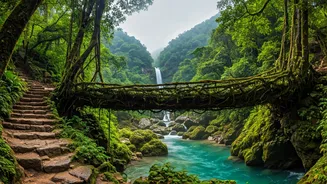
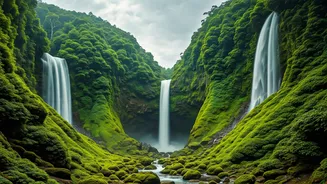
over 11,000 millimetres. This isn't a gentle, persistent drizzle; it's a deluge that defines life, carving deep gorges and feeding some of the most spectacular waterfalls on the planet, like Nohkalikai and the Seven Sisters Falls. For centuries, the Khasi people have adapted to this environment, using living root bridges to cross rivers that would wash away any man-made structure. This constant, heavy rain is their normal. But what happens when normal gets supercharged?
A Shift in The Downpour
The recent phenomenon isn't necessarily about a massive increase in the total annual rainfall. Instead, it’s about how that rain is falling. Climatologists and residents are observing a significant shift: the monsoon season is featuring more frequent, highly concentrated, and extreme rainfall events. Imagine receiving a month's worth of rain in just a few days. This intensity has a dramatic effect on the landscape. The ground, already saturated, simply cannot absorb the water fast enough. The result is a massive and rapid increase in surface runoff—the water that flows over the land rather than seeping into it.
The Science of the Surge
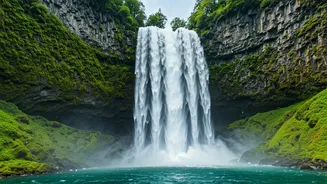
This surge is a textbook example of climate change in action. A fundamental principle of atmospheric physics is that for every degree Celsius of warming, the air can hold about 7% more moisture. As global temperatures rise, the atmosphere becomes a bigger sponge, soaking up more water from oceans and land. When conditions are right for a storm, this super-saturated air releases an unprecedented volume of water. In a place like Meghalaya, this effect is amplified. The moisture-laden winds from the Bay of Bengal are forced upwards by the Khasi Hills (an effect known as orographic lift), causing them to cool and dump their entire water load in one concentrated area. When the air is holding more moisture to begin with, the resulting downpour is far more intense, leading to the ‘dramatic peak runoff’ that turns streams into raging torrents and waterfalls into deafening cataracts of water almost overnight.
More Than a Visual Spectacle
While the sight of a waterfall at peak flow is undeniably awe-inspiring, these extreme events have serious consequences. The immense volume and velocity of the water can cause devastating flash floods in the valleys below, destroying homes, farms, and infrastructure. The powerful runoff also accelerates soil erosion, stripping the land of its fertile topsoil and destabilising hillsides, which can lead to landslides. The very living root bridges that are a symbol of resilience are being tested by floodwaters of a magnitude they were not built to withstand. What was once a life-giving force is becoming, with increasing frequency, a destructive one. It poses a significant challenge for the communities that have built their lives in harmony with the rain, forcing them to reconsider old patterns and prepare for a more volatile future.
A Recognisable Global Pattern
Meghalaya is not an isolated case. Other hyper-wet locations around the globe are experiencing similar trends. Mount Waialeale in Kauai, Hawaii, and parts of western Colombia, which also receive immense rainfall, are reporting more intense precipitation events. This global pattern reinforces the understanding that this is not a local weather quirk but a systemic change in the global climate system. The wettest places on Earth are becoming the frontlines, offering a clear and dramatic preview of how climate change is altering the planet's water cycle. They are the canaries in the coal mine, and their thundering waterfalls are sounding an alarm.