





The Core of the Research
Scientists are constantly searching for ways to support brain health as we get older, and a recent study from Maastricht University Medical Center in the Netherlands has offered a promising, and crunchy, possibility. Researchers wanted to see what would
happen if healthy older adults added a daily serving of peanuts to their diet. The study focused on a group of 31 healthy men and women between the ages of 60 and 75. The goal was to measure any changes in brain vascular function and cognitive performance over a specific period. Published in the journal 'Clinical Nutrition', this research provides a fascinating glimpse into how a common food might impact the complex workings of the aging brain.
The Sixteen-Week Peanut Plan
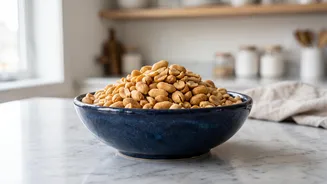
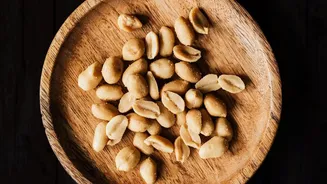
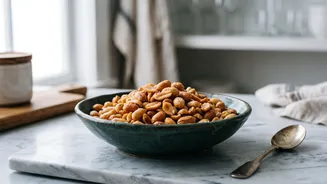
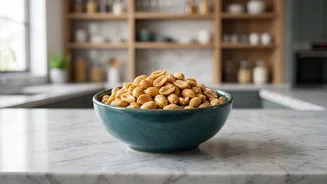
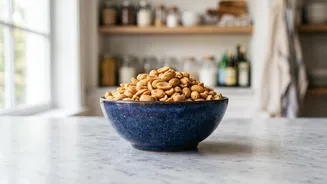
The study was designed as a randomized, controlled crossover trial, which is a rigorous way to test an intervention. Participants were divided into two phases. For one 16-week period, they consumed 60 grams of unsalted, skin-roasted peanuts every day. That’s equivalent to about two small handfuls or a half-cup. For another 16-week period, they ate no peanuts, which served as the control. This structure allowed each person to act as their own comparison, making the results more reliable. Throughout the study, researchers used advanced techniques like arterial spin labeling MRI to measure cerebral blood flow (CBF), which is the amount of blood flowing through the brain. They also assessed cognitive skills using a standardized battery of tests.
What the Study Discovered
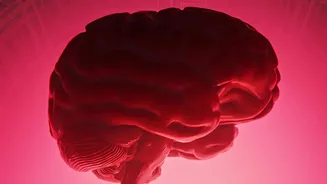
The results after the 16-week peanut period were noteworthy. The most significant finding was an improvement in brain blood flow. Global cerebral blood flow increased by 3.6%, and blood flow specifically in the brain's gray matter rose by 4.5%. Increased blood flow is crucial because it delivers the oxygen and nutrients essential for maintaining brain health. This physiological improvement was matched by a boost in cognitive performance. Participants showed a 5.8% improvement in verbal memory, which translated to correctly recalling about 1.4 more words on a memory test. As a secondary benefit, the participants also saw a drop in their systolic blood pressure by an average of 5 mmHg.
The Science Behind the Shell
So, what is it about peanuts that could cause these positive changes? Researchers believe the secret lies in their rich nutritional profile. Peanuts, especially with their skins on, are packed with bioactive compounds. They are a source of L-arginine, an amino acid that helps the body produce nitric oxide, which in turn relaxes blood vessels and improves circulation. They also contain high levels of polyphenols like resveratrol, which are antioxidants known to support vascular health and fight inflammation. One study even linked the intake of these peanut polyphenols directly with improvements in memory and stress response. This combination of nutrients appears to work together to enhance the brain's vascular function, which may explain the memory boost.
What This Means For You
While these findings are exciting, it is important to keep them in perspective. This was a relatively small study with 31 participants, and it does not prove that peanuts can prevent or reverse cognitive diseases like Alzheimer's. However, it does suggest that adding unsalted, skin-on peanuts to a balanced diet could be a simple and affordable way to support your brain's health. The study specifically used skin-roasted peanuts to ensure the participants received the beneficial compounds found in the skins. For those looking to apply these findings, the key is consistency—participants saw results after eating peanuts daily for the full 16-week period.