



The Drowning Plant Paradox
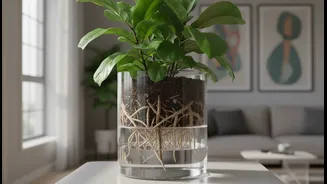
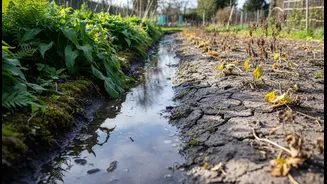
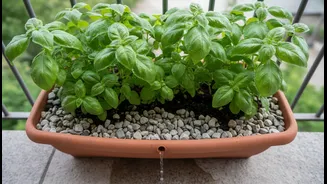
It seems logical: more water now means less thirst later. But plant roots need oxygen just as much as they need water. When you drench the soil, water fills all the air pockets, effectively suffocating the roots. This oxygen-deprived environment is the perfect
breeding ground for fungal pathogens like Phytophthora and Pythium, which are often dormant in the soil. When activated by prolonged wetness, these fungi attack the weakened roots, causing them to become mushy, brown, and unable to function. This condition is known as root rot.
The Deception of a Wilting Leaf
Here's where it gets tricky. A plant suffering from root rot often looks like a plant that's desperately thirsty. The leaves may turn yellow, wilt, and droop because the damaged roots can no longer absorb water and nutrients to send to the rest of the plant. Seeing these signs, a well-meaning plant-sitter (or you, upon returning) might be tempted to water it even more, accelerating the plant's demise. This vicious cycle is why overwatering is considered one of the most common and deadliest mistakes in plant care. A short period of dryness, on the other hand, is something many plants are equipped to handle. They may wilt dramatically, but their root systems remain intact and are ready to recover once they receive water.
Smarter Watering Before You Go
Instead of a last-minute deluge, aim for consistency. A few days before you leave, give your plants a thorough and deep watering. Water until it runs freely from the drainage holes, then allow the pot to drain completely. Never leave a plant sitting in a saucer full of water. This ensures the entire root ball is moist but not waterlogged. For outdoor plants, a deep soak with a hose a day or two before departure is also recommended. Move potted plants out of direct, intense sunlight to a cooler, shadier spot. Grouping them together can also help create a more humid microclimate, slowing down moisture loss from the leaves.
Solutions for Longer Absences
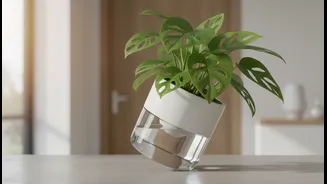
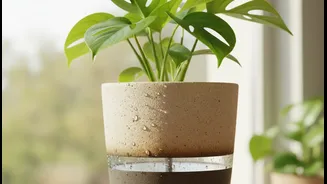
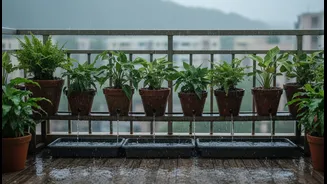
If you'll be gone for more than a week, a single watering won't be enough. Fortunately, there are several simple and effective methods to ensure your plants get the moisture they need. For a low-tech solution, create a DIY wicking system. Place a large container of water elevated next to your plants. Run a cotton string or shoelace from the water container into the top inch of each plant's soil. Capillary action will slowly draw water into the soil as it dries, giving the plant exactly what it needs without over-saturating it. You can also buy self-watering globes or spikes, which work on a similar principle by gradually releasing water into the soil. For those with many plants or who travel often, investing in a drip irrigation system with an automatic timer can be a garden-saver.