





The Science of a Craving
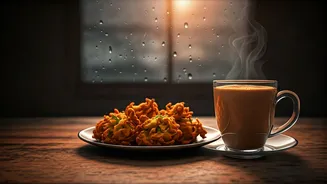
There's a reason you instinctively reach for a plate of hot pakoras the moment it starts to pour. It's not just nostalgia; there's a scientific basis for our monsoon cravings. The damp, grey weather and lack of sunlight can cause a dip in our body's serotonin
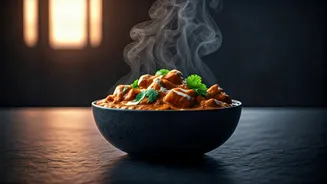
levels, the hormone responsible for feelings of happiness and well-being. In response, our bodies crave carbohydrates and hot, comforting foods, as they can provide a temporary boost to these serotonin levels. The cooler temperatures also increase our appetite as the body seeks more energy to stay warm. This combination of psychological comfort and physiological need creates the perfect storm, making crispy, spicy, and warm snacks feel incredibly satisfying against the damp surroundings.
The Undisputed Classics
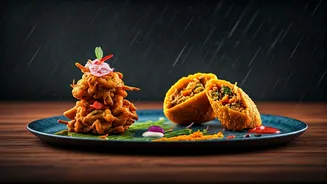
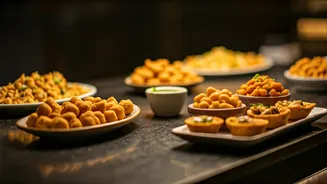
At the heart of every monsoon menu are the timeless classics, the snacks that have defined rainy days for generations. Pakoras, or bhajiyas, are arguably the reigning champions. These are vegetable fritters—typically onion, potato, spinach, or paneer—dipped in a seasoned gram flour (besan) batter and deep-fried to golden perfection. Close behind is the samosa, with its flaky pastry giving way to a spicy potato and pea filling. No rainy day experience is complete without Bhutta, or roasted corn on the cob, charred over coals and rubbed with a mixture of lime, salt, and chilli powder. And of course, there's the beloved Vada Pav from Mumbai, a spiced potato fritter tucked into a soft bread roll with chutney, offering a complete meal in a single, handheld snack.
The Restaurant Response: Modern Monsoon Menus
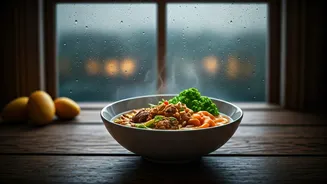
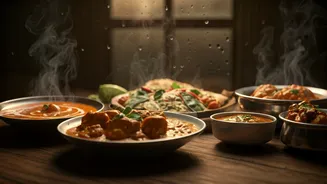
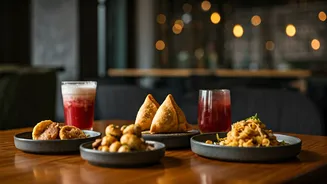
Restaurants across India have embraced this seasonal shift, curating special monsoon menus that go beyond the traditional. These menus often feature both classic comfort foods and innovative new dishes designed for the season. In major cities, you'll find everything from 'Chai and Bhajia Platters' to more gourmet offerings. Recent trends show chefs getting creative with global comfort foods that fit the monsoon mood, such as steaming bowls of ramen, handcrafted dim sum, and sizzling stone bowls of udon noodles or bibimbap. Others are giving Indian classics a modern twist, with items like Thecha Paneer Pizza, Kadhi Kachori, and even Litti Chokha Chaat appearing on menus. These limited-edition offerings create a sense of occasion, inviting diners to come in from the rain and indulge in something special.
Beyond the Deep Fryer
While fried snacks are a monsoon highlight, the season's culinary offerings are much broader. Hot, nourishing soups become particularly appealing. Traditional Indian options like Manchow soup or a simple dal shorba, spiced with immunity-boosting ginger, garlic, and turmeric, are both comforting and well-suited for the weather. The season also brings specific vegetables to the forefront. Singhade ki sabzi, a dish made with water chestnuts, is a nutritious preparation popular in Delhi that is believed to help the body fight infections. For a healthier take on cravings, many turn to Moong Dal Cheela—savoury pancakes made from lentil batter that are light yet satisfying. These dishes prove that monsoon comfort doesn't always have to come from the fryer.
The Perfect Sip
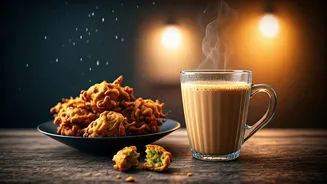
No monsoon meal is complete without the right beverage. Masala Chai is the undisputed king of rainy-day drinks, a fragrant blend of black tea, milk, and spices like ginger, cardamom, cinnamon, and cloves that warms you from the inside out. Every household has its own treasured recipe. For coffee lovers, a strong cup of filter coffee or a frothy cappuccino offers a similar sense of comfort. But menus are evolving here too. Cafes now offer Golden Elixir lattes with turmeric, rich hot chocolates, and even warming cocktails like a Hot Toddy to ward off the chill. These drinks are more than just beverages; they are an essential part of the ritual of enjoying the rain.