
Why Container Size Is Crucial
Before you even think about soil or sun, consider the pot. It’s more than just a holder for your plant; it’s its entire world. A pot that’s too small will constrict the root system. This limits the plant's ability to absorb water and nutrients, leading
to a stunted, stressed plant that produces fewer chillies. Conversely, a pot that is excessively large can hold too much moisture, creating a soggy environment that promotes root rot. The key is to find the perfect balance that allows for a healthy, expansive root system without waterlogging it.
Choosing the Perfect Pot
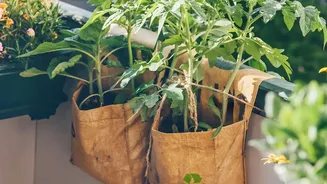
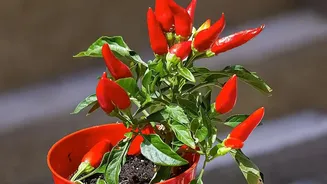
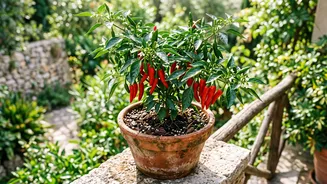
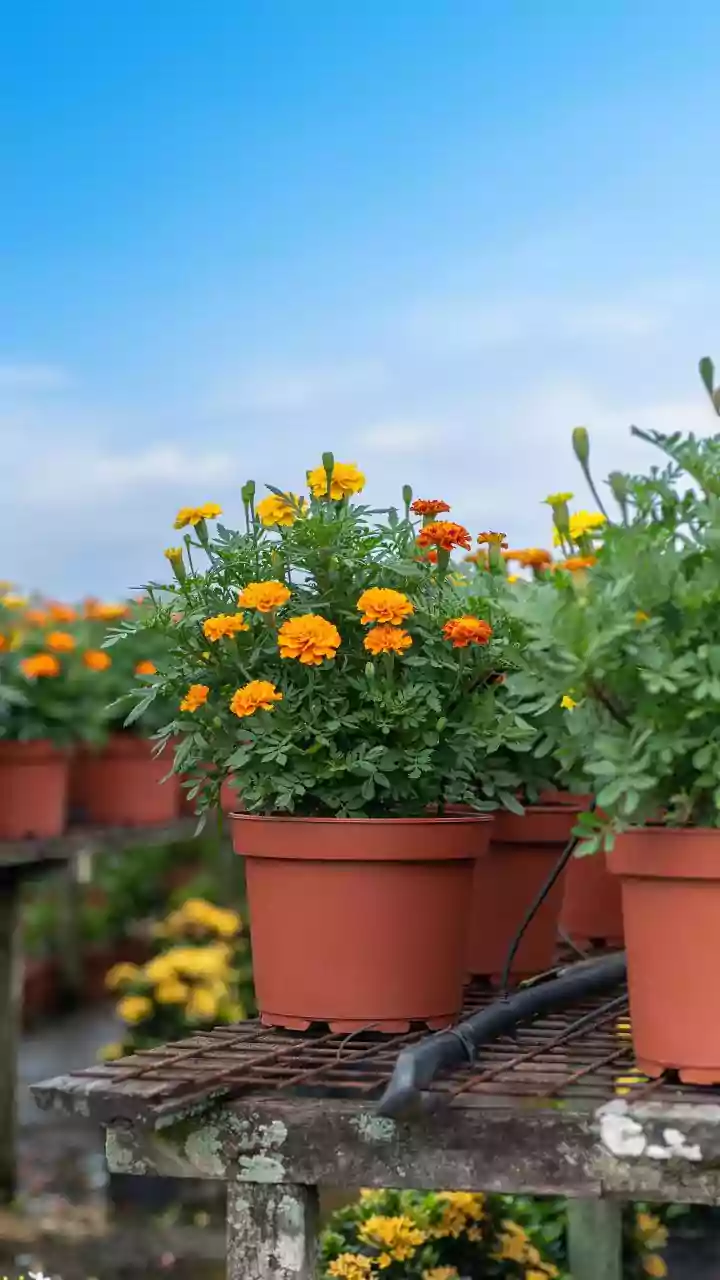
For most Thai chilli varieties, a pot that is between 7 to 10 litres is ideal for a mature plant. This is roughly equivalent to a pot with a 10 to 12-inch diameter. While you can start seedlings in smaller 3-inch pots, you should plan to 'pot on' or transplant them as they grow. In the Indian climate, traditional terracotta or clay pots are an excellent choice. Their porous nature allows soil to breathe and helps excess moisture evaporate, a major plus during humid monsoon months. Plastic pots are lighter and retain moisture longer, which can be useful in very hot, dry weather, but require more careful watering to prevent waterlogged roots.
The Importance of Spacing
The headline rule for container gardening is simple: one plant per pot. While it might be tempting to put multiple seedlings in one large container to save space, this often backfires. Crowded plants compete fiercely for sunlight, water, and soil nutrients. This competition weakens all the plants involved, making them more susceptible to pests and diseases. Good spacing also ensures proper air circulation around the foliage, which helps to prevent fungal issues like powdery mildew that thrive in damp, stagnant conditions. If planting in a long rectangular box, space individual plants about 12 to 18 inches apart.
Creating the Ideal Soil Mix
Thai chillies, like most peppers, despise 'wet feet' and demand soil that drains well. A generic garden soil is often too heavy and will compact in a pot. Your best bet is to create a loose, airy potting mix. A reliable recipe for Indian gardeners is one-third garden soil (or red soil), one-third compost (like well-rotted cow manure or vermicompost), and one-third cocopeat. The cocopeat helps with moisture retention without becoming waterlogged, while the compost provides essential nutrients. Adding a handful of perlite can further improve drainage and aeration.
Sun, Water, and Food
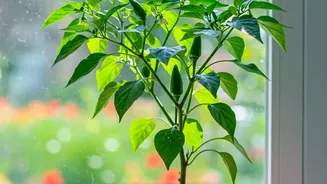
Thai chillies are sun-lovers and need at least 6-8 hours of direct, bright sunlight each day to thrive and produce fruit. A south-facing balcony or a sunny terrace is the perfect location. When it comes to watering, consistency is key. Water the plant deeply when the top inch of the soil feels dry to the touch, and let the excess drain away completely. During peak summer, this might mean watering daily, while during the monsoon, you'll need to be careful not to overwater. Every 2-3 weeks during the growing season, you can feed your plant with a balanced liquid fertiliser to encourage more flowers and fruit.
Watching for Common Pests
Even with the best care, you might encounter a few pests. In India, the most common culprits on chilli plants are aphids, thrips, and spider mites. Aphids are small pear-shaped insects that suck sap, causing leaves to curl. Spider mites are tiny and create fine webbing on the undersides of leaves. For most minor infestations, a strong spray of water can dislodge them. For more persistent problems, a simple solution of neem oil mixed with water and a drop of liquid soap acts as an effective organic pesticide. Regularly inspecting your plants will help you catch any issues before they become major problems.