


A Mission In Need of a Reboot
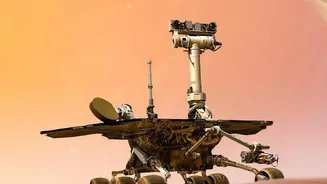
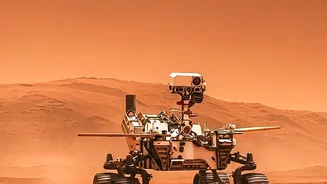
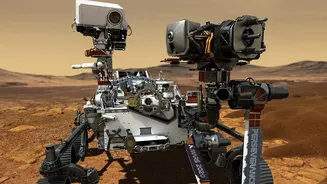
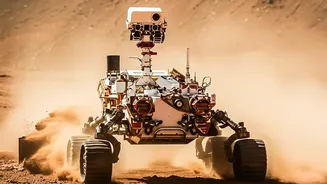
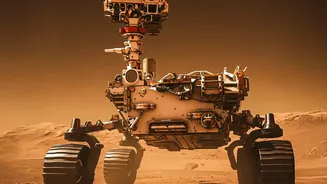
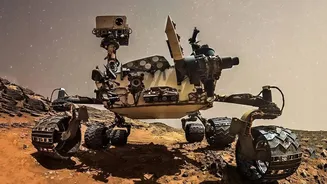
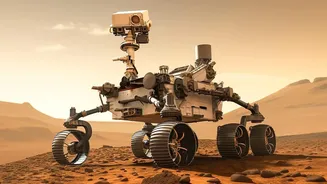
The Mars Sample Return (MSR) program is one of the most ambitious robotic campaigns ever conceived. For years, NASA and the European Space Agency (ESA) have collaborated on a complex, multi-stage plan to retrieve the samples collected by the Perseverance
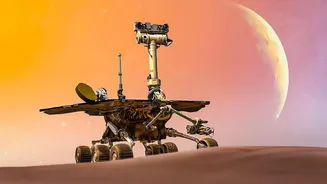
rover since it landed in 2021 and return them for study in advanced laboratories on Earth. However, the original plan faced significant hurdles. Independent reviews projected the mission's cost could balloon to as much as $11 billion with a return date slipping into the 2040s. NASA leadership deemed this timeline and budget unacceptable, prompting a full reassessment to find a faster, cheaper, and more robust way forward.
Enter the PSRA Strategy
Announced on November 9, 2026, by Tiffany Morgan, director of NASA's Mars Exploration Program, the Perseverance Sample Retrieval Architecture (PSRA) is not a brand-new mission but a strategic reset. It's an initiative to develop 'impartial recommendations' for a revised mission architecture. A dedicated PSRA strategy team will kick off its work in January 2027, tasked with reviewing all prior lessons learned, evaluating current technology, and proposing a solidified plan by the winter of 2027-2028. The goal is to create a more streamlined and resilient mission that can deliver the samples within a more reasonable timeframe and budget, with some estimates suggesting a cost of around $8 billion for a 2035 return.
The Challenge from Earth to Mars and Back
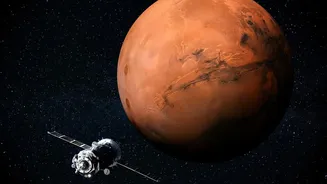
Bringing a piece of Mars to Earth is a Herculean task involving multiple spacecraft and a series of perfectly executed maneuvers. The basic architecture, which the PSRA will refine, involves several key elements. First, a Sample Retrieval Lander must touch down on Mars. This lander would carry a small rocket known as the Mars Ascent Vehicle (MAV). In the previous plan, small helicopters were considered to fetch sample tubes Perseverance had cached on the surface. The new thinking leans towards having the still-functioning Perseverance rover drive directly to the lander to deposit its onboard samples. The MAV would then launch those samples into Martian orbit, where they would be captured by an Earth Return Orbiter built by the ESA. This orbiter would then make the long journey back to Earth, releasing a capsule containing the precious cargo for landing.
An Accelerating Space Race
The pressure to revise the MSR plan isn't just budgetary; it's also geopolitical. China is making significant progress on its own Mars sample return mission, Tianwen-3. Chinese space officials are planning to launch their multi-part mission around 2028, with the goal of returning about 500 grams of Martian soil to Earth as early as 2031. This ambitious timeline has been described as a potential 'Sputnik moment', adding a sense of urgency to NASA's efforts. The PSRA is, in part, a response to this challenge, designed to ensure that the United States remains at the forefront of planetary exploration by successfully executing its own historic return mission.
Why the Samples Are Worth the Effort
The enormous expense and complexity of the Mars Sample Return mission are driven by one overriding factor: the unparalleled scientific potential of the samples themselves. The rocks and soil collected by Perseverance from Jezero Crater, the site of an ancient lake and river delta, could hold the key to answering one of humanity's oldest questions: are we alone in the universe? By analyzing these samples in sophisticated labs on Earth, scientists can search for definitive signs of past microbial life, chart the history of Mars' climate and geology, and better understand the potential hazards and resources for future human astronauts. These are discoveries that simply cannot be made by robotic rovers alone, no matter how advanced.