







The Seeds of an Industry
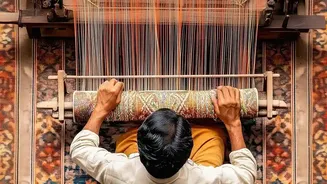
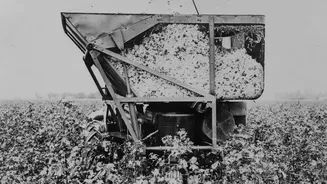
Coimbatore's journey as a textile giant began with its geography. The region's rich black cotton soil and favourable climate made it an ideal place for cotton cultivation. For centuries, weavers in the area were renowned for their exceptional skills in dyeing
and weaving, creating high-quality fabrics that were in demand far and wide. Even in the late 1800s, long before the industrial boom, the district had established cotton cleaning and pressing factories, exporting raw cotton to England and other parts of India. This agricultural strength provided the raw material and the foundation upon which a massive industry would soon be built.
The Rise of the Mills
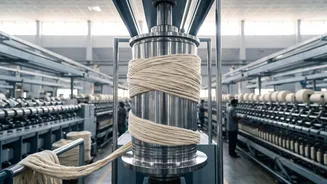
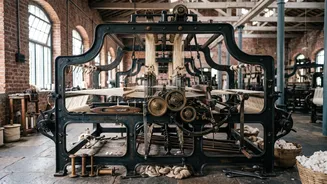
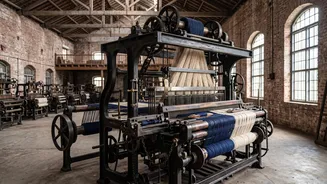
The industrial revolution in Coimbatore truly took off in the late 19th and early 20th centuries. The establishment of the first spinning mill in 1888, the Coimbatore Spinning and Weaving Mills (popularly known as Stanes Mill), marked a pivotal moment. The real game-changer, however, was the advent of hydroelectric power from the Pykara Falls in the 1930s. This reliable and affordable energy source led to a cotton boom, attracting entrepreneurs who set up numerous spinning and weaving mills. The city's textile industry grew rapidly, spurred by a combination of local enterprise and a decline in Mumbai's cotton industry, which created a vacuum that Coimbatore was perfectly positioned to fill.
A Self-Sustaining Ecosystem
Coimbatore didn't just stop at producing yarn. The growth of textile mills naturally led to the rise of an ancillary industry: textile machinery manufacturing. This created a unique, self-sustaining ecosystem where the city not only produced textiles but also the machines needed to make them. Over time, some of the world's best-known brands in textile machinery have emerged from homegrown enterprises in Coimbatore. This synergy extended to other sectors, as profits from textiles were reinvested into foundries and engineering units that initially started as repair workshops for mill equipment. This diversification laid the groundwork for Coimbatore's evolution into a broader industrial hub.
From Yarn to Global Fashion
Today, Coimbatore's textile industry is a powerhouse. The region, including the nearby hub of Tirupur, accounts for a massive share of India's textile business. It is a leader in everything from spinning high-quality yarn to weaving, processing, and manufacturing finished garments for export. While cotton remains central, the city is also known for its exquisite silk and silk-cotton blend sarees, such as the famed Kovai Kora Cotton, which has been granted a Geographical Indication tag. The region exports a vast range of products, including knitwear, woven apparel, and home furnishings, to countries around the world. Tamil Nadu, with Coimbatore and Tirupur at its core, has become India's top textile exporting state.
The Fabric of the Future
While rooted in history, Coimbatore's textile industry is firmly focused on the future. The city is home to important research institutions like the South Indian Textiles Research Association (SITRA) and the Central Institute for Cotton Research (CICR), driving innovation in the sector. As global trends shift, the industry is adapting, with a growing focus on man-made fibres and technical textiles, such as those used in medical applications. Despite challenges like labour availability, the industry continues to see strong export growth, with a healthy pipeline of orders from international markets. The entrepreneurial spirit that first built the mills continues to drive the city forward, ensuring its legacy as the 'Manchester of South India' endures.