




First, What Are Ultra-Processed Foods?
It’s not just about any processing. The most widely used definition comes from the NOVA food classification system, which groups foods into four categories based on their level of industrial processing. Unprocessed or minimally processed foods are things
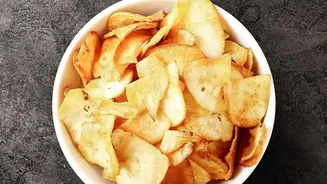
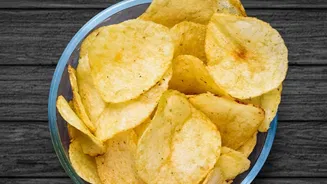
like fruits, vegetables, grains, and fresh meat. Processed foods include items preserved by canning, bottling, or fermentation, like canned vegetables or cheese. Ultra-processed foods (UPFs) are in a different league. These are industrial formulations made mostly from substances extracted from foods, like fats, starches, and sugars, or synthesized in labs. They often contain cosmetic additives like colours, flavours, and emulsifiers to make them hyper-palatable. Think packaged snacks, sugary cereals, instant noodles, and fizzy drinks.
The Core Concern: Beyond Just Sugar and Salt
For a long time, the debate focused on the poor nutritional profile of these foods—high in sugar, salt, and unhealthy fats. While that’s true, emerging evidence suggests the problem may be deeper. A June 2026 study from Tufts University found that even after accounting for nutritional quality, higher UPF consumption was linked to worse health outcomes. This suggests factors beyond nutrients, such as the destruction of the food's natural structure, additives, and even chemicals from packaging, could play an independent role in creating health risks. They are also engineered to be convenient and so appealing that they can encourage overeating before your body’s fullness signals kick in.
What the Fresh Evidence Suggests
Recent large-scale studies have solidified the link between high UPF consumption and significant health problems. A major US study from February 2026 found that adults with the highest intake of these foods had a 47% higher risk of suffering a heart attack or stroke. Another study published in July 2026 suggested that up to a third of heart disease cases could be attributable to UPF consumption. Beyond heart health, umbrella reviews of multiple studies have consistently associated diets high in UPFs with an increased risk of obesity, type 2 diabetes, certain cancers, digestive diseases, depression, and even a higher risk of premature death. Research also shows that for every 10% increase in calories from UPFs, health markers like body weight, blood sugar control, and cholesterol levels tend to worsen.
So, Can UPFs Fit in a Balanced Diet?
This is the crucial question for most people. Completely avoiding UPFs can be unrealistic and isn't always necessary. Some researchers argue that overall diet quality matters more than the processing level alone. A recent study noted that a diet rich in healthy, minimally processed plant foods was a better predictor of good health than simply a low-UPF diet. However, the consensus is that a diet dominated by UPFs is detrimental. The goal is not perfection but a significant reduction. A study focusing on older adults found that realistically reducing UPF intake led to weight loss and improved metabolic health markers, such as better insulin sensitivity and cholesterol levels. The key seems to be displacement: ensuring that the majority of your diet consists of whole or minimally processed foods, which naturally leaves less room for UPFs.
Practical Ways to Reduce Your Intake
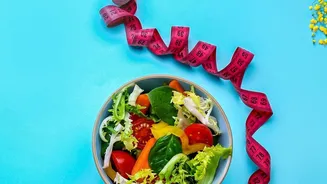
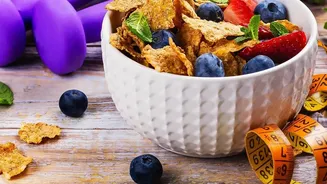
Reducing your reliance on UPFs doesn’t have to mean a complete kitchen overhaul. Start by focusing on adding more whole foods to your meals. Prioritise cooking at home when possible, as this gives you full control over ingredients. A simple strategy is to read the label: if a product has a long list of ingredients you don't recognise or contains substances like high-fructose corn syrup, hydrogenated oils, or various protein isolates, it's likely ultra-processed. Swap sugary breakfast cereals for oatmeal with fruit, replace packaged snacks with nuts or yogurt, and choose water over sweetened beverages. The idea is to make sustainable shifts toward a diet pattern based on whole foods, rather than fixating on eliminating every single UPF.