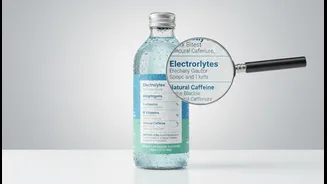









The Rise of Drinkable Wellness
Walk through any urban supermarket, and you'll see them: sleek cans and bottles offering more than just hydration. These are 'functional beverages'—drinks fortified with ingredients like vitamins, herbs, probiotics, and adaptogens to provide a specific
health benefit. The Indian market is embracing this trend, with growth projected to reach nearly USD 19 billion by 2034. Consumers, increasingly health-conscious, are drawn to the convenience of sipping their way to better immunity, sharper focus, or a calmer mind. From probiotic sodas and kombucha for gut health to adaptogenic teas with Ayurvedic ingredients like ashwagandha and tulsi, the options are vast and growing. This boom is fueled by a desire for preventative health and wellness solutions that fit into a busy lifestyle.
Selling a Vibe, Not a Serving Size
The problem isn’t the drinks themselves, but how they’re sold. Marketing often leans on vague, aspirational promises. Brands invite you to “unlock your potential” or “find your centre” with a sip. This sells a lifestyle, not a product with active ingredients. Contrast this with coffee, where most of us understand caffeine limits, or medicine, which comes with precise dosage instructions. Functional drinks occupy a grey area, marketed like soft drinks but containing potent compounds. There is often no scientific evidence for the specific health effects promised. This lack of clarity leaves consumers guessing. How many ‘calm’ drinks are too many? Can you drink a ‘focus’ beverage at night? Without clear guidance, the vibrant packaging and catchy slogans do little to inform the user. In fact, many consumers report feeling overwhelmed by the choices and claims.
Why Vague Promises Can Be Risky
This ambiguity isn't just confusing; it can be risky. Many functional drinks contain significant amounts of sugar or caffeine, which can undermine health goals if consumed excessively. The term 'functional' can be misleading, making consumers believe a drink is entirely healthy when it might have the same sugar content as a traditional soda. Furthermore, active ingredients like adaptogens or high doses of vitamins can have potent effects. Without knowing the exact dosage per serving or a recommended daily limit, it's difficult to consume them responsibly. A toxicologist from Michigan State University warns that it's difficult to determine the amount of specific compounds in many of these beverages, advising consumers to proceed with caution rather than over-consume. The Food Safety and Standards Authority of India (FSSAI) has regulations for ingredients like caffeine, but the broader landscape of wellness claims remains complex for consumers to navigate on their own.
What Consumers Deserve: Real Guidance
The solution is straightforward: transparency. Brands have a responsibility to treat these beverages less like magical potions and more like what they are—supplements in liquid form. This means providing clear, accessible information on every label. An ideal label would specify the active ingredients and their exact quantity per serving. It should recommend a maximum daily consumption limit and list any potential contraindications, especially for children or pregnant women. FSSAI regulations already mandate some of this for certain products, requiring a 'HEALTH SUPPLEMENT' or 'CAFFEINATED BEVERAGE' declaration and warnings. But the industry should go further, proactively educating consumers instead of hiding behind lifestyle marketing. Clear guidance builds trust and empowers people to make genuinely informed choices about their health.
How to Be a Smarter Sipper
Until the industry standardizes its approach, the onus is on the consumer to be a discerning buyer. First, look past the buzzwords on the front of the can. Turn it over and read the 'Supplement Facts' or nutrition panel. Check for the quantity of active ingredients—a brand that lists them in specific amounts (e.g., '150mg of Ashwagandha') is more transparent than one using a vague 'proprietary blend'. Be wary of high sugar content, which can negate the health benefits you're seeking. Finally, question the value proposition. Is the promised benefit worth the price tag, and is it supported by the ingredients listed? Approaching these drinks with a healthy dose of skepticism is the smartest way to incorporate them into your wellness routine.