







The New Calculus of Spending
The way Indian families spend their money is undergoing a quiet revolution. It's no longer a simple equation of income minus expenses equals savings. Today, it’s a delicate balancing act between three powerful, and often competing, priorities: the cultural
obligation of gifting, the personal satisfaction of shopping, and the aspirational pull of travel. While property and gold remain foundational assets for long-term wealth, discretionary spending from savings is increasingly being channelled into lifestyle choices that reflect a new, more confident consumer. This shift is powered by rising disposable incomes, the convenience of digital payments, and a growing middle class that is spreading beyond metros into smaller cities. The result is a household budget where every rupee is thoughtfully allocated to balance tradition, aspiration, and the desire for new experiences.
Gifting: Tradition Meets Modern Convenience
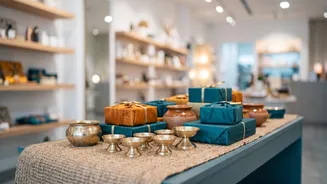
Gifting remains a non-negotiable pillar of Indian culture, deeply embedded in festivals and family occasions. However, the nature of these gifts is evolving. While physical items are still central, there's a clear trend towards more unique and personalised presents. Recent festive season surveys show that while clothing and accessories lead the shopping lists, gourmet food and gifting are also significant categories. A survey ahead of the 2026 festive season found that 39% of urban households planned to spend on gourmet food and gifting. This category now also includes experiential gifts, such as concert tickets or weekend getaways, especially among younger consumers. The rise of quick commerce has also made last-minute gifting easier than ever, transforming how people plan and execute this essential social custom.
Travel: The Rise of the 'Experience' Economy
Perhaps the most significant shift in Indian household spending is the prioritisation of travel. The 'experience economy', where consumers choose to spend on creating memories rather than acquiring goods, is booming. This trend is particularly strong among younger Indians, who increasingly value unique journeys, cultural immersion, and adventure over material possessions. Projections show India's experiential travel market is on a sharp upward curve. Even during the festive season, a time traditionally associated with shopping, travel is a major spending category. A 2026 pre-festive survey revealed that travel and holidays were on the shopping plans of 45% of urban households, on par with big-ticket items like home appliances. This indicates that vacations are no longer seen as a rare luxury but as an essential part of the annual budget.
Shopping: Cautious but Aspirational
Shopping for goods, from apparel to electronics, remains a cornerstone of household expenditure, but the approach has become more calculated. Facing inflationary pressures, urban Indian families are approaching the 2026 festive season with caution, with overall spending projected to see a slight dip compared to 2025. Many households report that they plan to dip into their savings to fund their purchases. Clothing, footwear, and accessories continue to be the most popular shopping category, cited by 72% of households planning to spend, as they offer an affordable way to refresh wardrobes for festive occasions. While consumers are being mindful of their budgets, the spending that does happen is often aspirational. There's a clear desire for premium products and brands that reflect a sense of identity and upward mobility, especially among younger demographics who are increasingly buying for themselves alongside their families.