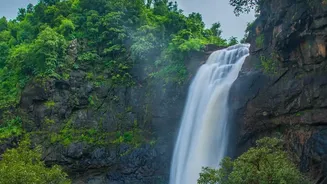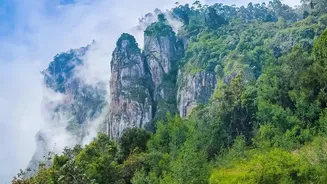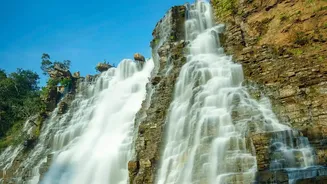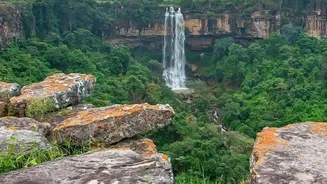




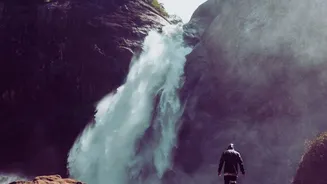


The post-monsoon season transforms Karnataka, as waterfalls swollen with rain become spectacular sights. But for a safe and memorable family day trip, preparation is everything. Here is the essential checklist to follow before you go.
Planning and Preparation: Before You Leave Home
A successful waterfall
trip begins with planning. The period from September to January is generally ideal, as the monsoon subsides, but the water flow remains impressive. Before you set out, always check the current weather forecast and local conditions. District administrations often issue advisories and may restrict access to waterfalls during and after heavy rains due to safety concerns like flash floods or landslides. Some waterfalls within forest reserves may also require permissions or have specific timings, so a quick check of the local forest department website or tourism office is a wise move. Inform a friend or family member of your itinerary, especially if you are heading to a more remote location. Downloading offline maps is also crucial, as mobile connectivity can be unreliable in these areas.
What to Wear: Dress for Safety, Not Just the Photos
The right attire is a key safety measure. The terrain around waterfalls is notoriously slippery due to mossy rocks and wet soil. Prioritise footwear with excellent grip, such as trekking shoes or sports sandals with a secure heel strap. Avoid brand-new shoes, flip-flops, or any open-toed footwear that doesn't offer stability. For clothing, choose quick-drying synthetic fabrics over cotton. Lightweight, long-sleeved shirts and full-length trousers can offer protection from the sun, insects, and scrapes. Packing a light rain jacket or poncho is also a good idea, as weather can change suddenly. For kids, an extra full set of clothes sealed in a waterproof bag is a must for the ride home.
The Essential Day Trip Bag: Packing for Safety and Comfort
Your backpack should contain more than just snacks. A well-stocked first-aid kit is non-negotiable, including antiseptic wipes, bandages, pain relievers, and any personal medications. Given the lush post-monsoon environment, insect repellent is essential. Leeches are common in the Western Ghats, so carry salt or a hand sanitiser, which can help in their removal. Pack plenty of drinking water to stay hydrated and bring high-energy snacks like fruit, nuts, and granola bars. Other essentials include a fully charged power bank, sunscreen, a hat, and a quick-dry towel. Using waterproof bags or zip-lock pouches for electronics and wallets will protect them from sudden sprays or downpours.
On_Site Safety:_Rules_for_the_Whole_Family
Once you arrive, the most important rule is to respect the power of nature. Always adhere to marked trails and viewing areas. Never venture onto slippery, unguarded rocks at the edge of the water, especially for selfies. Currents can be deceptively strong, even in shallowly looking pools, so swimming should only be done in designated safe zones, if any. It is often safest to avoid entering the water altogether, as tragedies have occurred from sudden changes in water levels. Supervise children closely at all times and hold their hands on uneven paths. Explain the dangers to them in simple terms so they understand why they need to stay within safe boundaries.
Dealing with Leeches:_A_Practical_Guide
The wet, leafy environment of poststmonsoon Karnataka is prime leech territory. While they are largely harmless, they can cause panic. Do not try to pull them off by force or use fire. This can cause the leech to regurgitate into the wound, increasing the risk of infection. Instead,_a simple and effective method is to slide a fingernail,_an ATM card,_or a knife edge flat against the skin to break the suction at its mouth (the smaller end), then flick it away._Applying salt,_sanitiser,_or a drop of lime juice will also make it detach._The bite will bleed for a while due to the leech's anticoagulant,_but it usually stops on its own._Clean the area with an antiseptic wipe afterwards.
Family–Friendly Waterfall Choices
Not all waterfalls are suitable for a family outing._For accessibility and safety,_consider well–maintained spots._Shivanasamudra Falls,_with its twin cascades Gaganachukki and Bharachukki,_has fenced viewpoints and is easily reached from Bengaluru._Abbey Falls in Coorg offers a beautiful view from a hanging bridge,_making it a safe option for those with children._Sirimane Falls near Sringeri is another excellent choice,_known for its well–managed access,_pathways,_and changing rooms,_making it particularly family–friendly._These locations balance spectacular scenery with the practical needs of a family group,_ensuring the day is enjoyable for everyone.