






Plan Your Route Before You Move
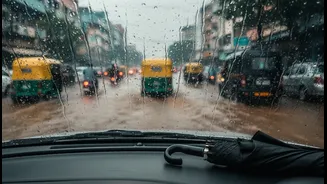
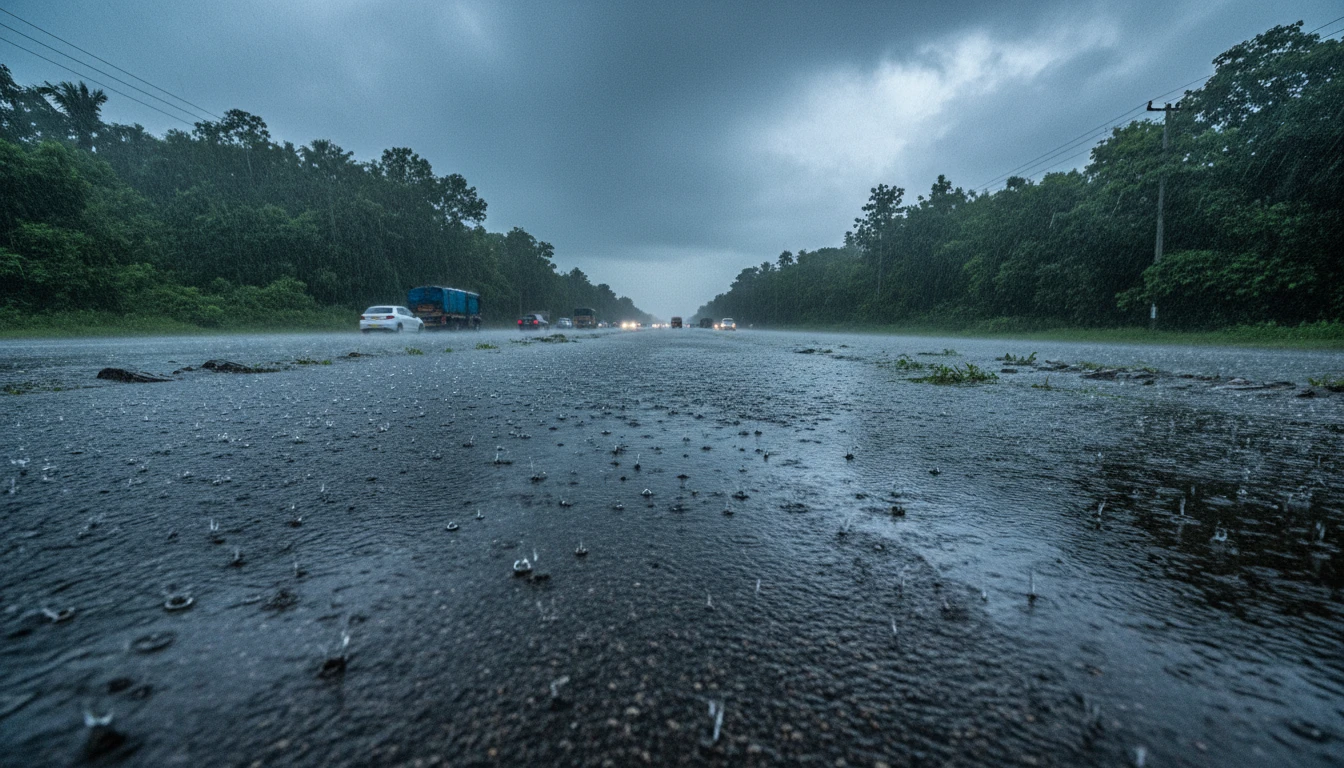
The single most effective habit is to know the conditions before you leave. Heavy rain can drastically alter your route, turning familiar roads into impassable streams. Check traffic apps for real-time updates on waterlogging and gridlock. Pay close attention
to low-lying areas and underpasses, which are often the first to flood. Some apps even provide user-generated reports that can be more current than official alerts. If a severe weather warning is in effect, the smartest and safest decision might be to postpone your travel altogether until conditions improve. Having a primary and a backup route in mind can save you from being stranded.
Prepare Your Vehicle for the Rain
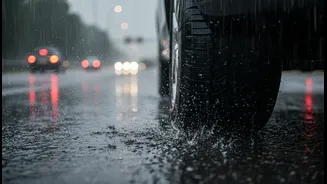
Your vehicle is your first line of defence. Before the season begins, and regularly during it, conduct a simple pre-trip check. Ensure your tyres have adequate tread depth (at least 3mm is recommended for monsoon safety) and are properly inflated. Worn tyres significantly increase the risk of hydroplaning on wet roads. Test your windshield wipers; if they leave streaks or make noise, replace them. Also, check that all your lights—headlights, taillights, and indicators—are working. In downpours, visibility drops dramatically, and functioning lights are crucial for both seeing and being seen by other drivers. Using low-beam headlights during rain is a good practice.
Master the Art of Driving on Wet Roads
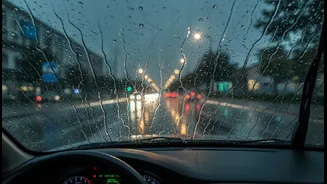
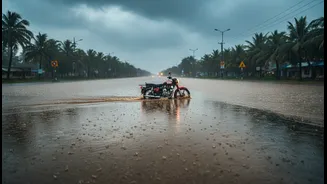
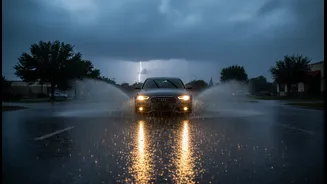
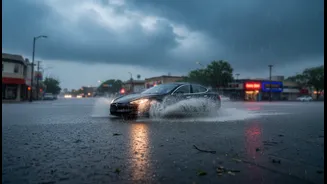
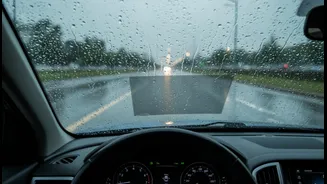
Driving habits must change with the weather. The most important rule is to slow down. Wet roads increase your braking distance, sometimes by two or three times. Maintain a much larger following distance from the vehicle in front of you—a six-second gap is a good rule of thumb. Avoid sudden braking or sharp turns, as these can cause your vehicle to skid. If you encounter a waterlogged street, do not try to speed through it. Drive in a low gear with steady, higher RPMs to prevent water from entering the exhaust. However, the best advice is to avoid driving through standing water whenever possible; it's often deeper than it appears and can hide potholes or open manholes.
Never Try to Restart a Stalled Car in Water
This is a critical rule that can save you from catastrophic engine damage. If your car stalls in a waterlogged area, do not attempt to restart it. Trying to turn the engine over can suck water into the air intake, leading to what's known as a hydrostatic lock. This can bend engine components and result in repairs costing lakhs. The correct procedure is to switch off the ignition, turn on your hazard lights, and if it's safe to do so, abandon the vehicle for higher ground. A car can be repaired or replaced, but staying in a vehicle in rising water is extremely dangerous.
Assemble a Monsoon Emergency Kit
Unexpected delays are a hallmark of monsoon travel. Being prepared can turn a frustrating situation into a manageable one. Keep a small emergency kit in your car or daily bag. This should include a fully charged power bank for your phone, a small torch, a first-aid kit, and some dry snacks and a bottle of drinking water. It's also wise to have a waterproof bag or pouch to protect your electronics and important documents. A sturdy umbrella or a compact raincoat is essential, even for short trips. Consider adding a change of clothes or at least a dry towel.
Rethink Your Footwear and Clothing
Your daily attire can impact your safety and comfort during monsoon travel. Sturdy, waterproof footwear with a good grip is non-negotiable. Avoid flip-flops or smooth-soled shoes that can be treacherous on slippery platforms and pavements. Opt for synthetic, quick-drying fabrics over cotton, which becomes heavy and uncomfortable when wet. For commuters on two-wheelers or those using public transport, a high-quality rain jacket or poncho is a better choice than an umbrella, which can be difficult to manage in windy conditions. Keeping an extra pair of dry socks at your workplace can make a world of difference for your comfort.