






As the season shifts and a chill enters the air, you might notice your skin feeling tighter and drier than usual. Before you overhaul your entire routine, the answer might be simpler: it could be time to rethink your face wash.
How Winter Weather Stresses Your Skin
To understand why your cleanser
matters so much, we first need to look at what cold weather does to your skin. Your skin has a natural protective barrier, known as the stratum corneum, made of skin cells and lipids. This barrier is crucial for keeping moisture in and irritants out. During colder months, this defense system faces a multi-front attack. The drop in outdoor humidity literally pulls moisture from your skin. Then, you step inside into dry, centrally heated air, which does the exact same thing. This constant shift between cold, windy outdoors and warm, dry indoors weakens the skin barrier, leaving it compromised and prone to issues like dryness, redness, flakiness, and increased sensitivity.
The Problem with Gels in Winter
Gel cleansers are popular for a reason, especially in warmer months or for those with oily skin. They often create a satisfying lather and are excellent at cutting through excess oil, sweat, and sunscreen, leaving the skin feeling impeccably clean. However, this impressive cleansing power comes from surfactants—molecules that bind to oil and dirt so they can be rinsed away. Some gel cleansers, particularly high-foaming ones, use stronger surfactants that don't distinguish between unwanted grime and the natural, essential lipids that make up your skin barrier. In the summer, your skin might produce enough oil to compensate. But in the winter, when your barrier is already under stress, this can strip the skin, leading to that 'squeaky clean' but uncomfortably tight feeling.
The Gentle Strength of Cream Cleansers
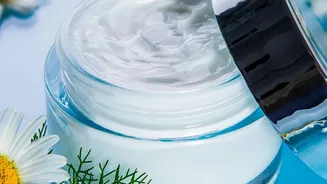
This is where cream cleansers shine. Formulated as emulsions of oil and water, they have a richer, lotion-like texture and use milder surfactants. They are designed to gently lift away impurities without stripping the skin of its natural moisture. Instead of leaving your face feeling tight, a cream cleanser leaves behind a soft, cushioned feel. This is because they are often formulated with emollients and humectants that support hydration. Think of it less like a deep scrub and more like a gentle refresh that respects your skin’s delicate balance, which is exactly what a compromised winter barrier needs. They effectively cleanse the skin while helping to preserve its precious lipid layer.
Key Ingredients to Look For
When making the switch, the ingredient list is your best friend. Look for hydrating and barrier-supporting components. Glycerin is a fantastic humectant that draws moisture into the skin, helping it stay hydrated. Hyaluronic acid is another humectant celebrated for its ability to hold water, contributing to a soft, plump feel. Ceramides are lipids that are naturally part of your skin barrier, so including them in your cleanser helps to replenish and strengthen that protective wall. Soothing ingredients like aloe vera can also be beneficial, especially if your skin is feeling red or irritated. These ingredients turn the simple act of washing your face into a step that actively supports your skin’s health.
Making the Seasonal Switch
Switching your cleanser does not have to be an abrupt change. You can ease into it. Perhaps you start by using the cream cleanser only at night, when you might have more makeup or sunscreen to remove, or on days your skin feels particularly dry. Pay attention to how your skin feels about 10–15 minutes after washing. Does it feel comfortable and soft, or tight and irritated? That after–feel is the best indicator of whether a cleanser is right for you. It is also worth noting that this switch is a guideline, not a strict rule. Those with very oily skin might find a gentle gel cleanser works for them year–round, while those with consistently dry skin may use a cream cleanser no matter the season. The goal is to listen to your skin and give it the support it needs to face the seasonal shift.