

The End of the Checklist Holiday
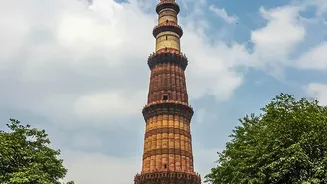
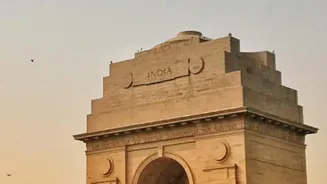
For decades, a successful holiday was measured by the number of cities visited and sights seen. The 'five countries in seven days' approach, with its packed itineraries and photo-op-driven schedules, was a status symbol. But that era of whirlwind tourism
is fading. Today's Indian traveller is becoming more selective, trading the tourist-trap checklist for a more personal and restful experience. The frantic pace of modern life has led to a realisation that a holiday shouldn't feel like another job. There's a growing understanding that rest has its own value, and that doing less on a vacation isn't a waste, but a reward. This shift marks a maturing of travel habits, moving beyond simply going somewhere to truly being somewhere.
What Is This New 'Slow Travel'?
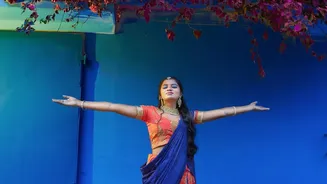
This new approach is often called 'slow travel' or 'experiential travel'. It's about prioritising depth over breadth. Instead of rushing between monuments, it means settling into one place and absorbing its rhythm. This could involve renting a homestay, learning a local craft, taking cooking classes, or simply exploring a neighbourhood without a fixed plan. The goal is to form a genuine connection with the destination's culture, people, and environment. According to recent reports, a vast majority of Indian travellers are now actively seeking these authentic experiences, with many planning entire trips around a specific cultural activity, festival, or culinary tradition rather than a landmark.
What's Driving the Change?
Several factors are fuelling this transformation. The post-pandemic period prompted a collective reassessment of priorities, leading to a greater desire for meaningful connections and less superficial interactions. Younger travellers, particularly Millennials and Gen Z, are major drivers of this trend. They often prioritise personal growth and unique, story-driven adventures over simply collecting passport stamps. The rise of social media has also played a part, but not in the way you might think. While posed photos at famous landmarks still exist, there's a growing interest in content that showcases authentic, offbeat discoveries. Furthermore, increased disposable incomes, better digital connectivity for independent planning, and the flexibility of remote work have made these immersive journeys more accessible than ever.
Beyond a Vacation, A Journey of Discovery
This deliberate style of travel is about more than just relaxation; it's about enrichment. Recent surveys show that learning something new about a place or its people is a key measure of a successful trip for many Indians. This could mean staying at a monastery in Ladakh, exploring the food trails of Rajasthan, or spending time with artisans to understand their craft. It’s a move towards participation over observation. Travellers are actively seeking to support small, local businesses, with reports indicating that over 84% consider it important to contribute to the local economy. This approach not only creates richer memories but also fosters a more sustainable and responsible form of tourism that benefits host communities directly.
Putting 'Hidden Gems' on the Map
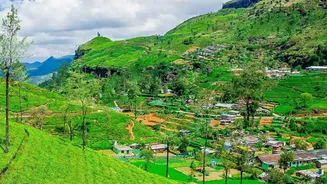
A significant outcome of this trend is the rise of lesser-known destinations. As travellers seek to escape the crowds of mainstream hotspots, they are venturing into smaller towns and rural areas that offer a more authentic slice of life. Destinations known for tranquillity, nature, and wellness, such as Dharamshala and Rishikesh, have seen a surge in interest. This dispersal of tourism helps reduce the strain on overburdened popular sites and spreads the economic benefits more widely. By choosing the road less travelled, these modern explorers are not just finding personal fulfilment but are also contributing to a more balanced and sustainable tourism ecosystem across the country.