






The Real Challenge: Beyond Weight Loss
Losing weight is one thing; keeping it off is another battle entirely. For many, the weight inevitably creeps back, leading to a cycle of dieting and regain. This isn't a failure of willpower, but a complex biological response. Obesity is now understood
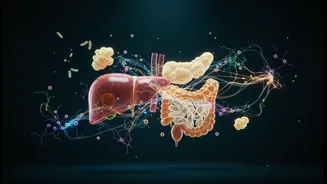
not just as an issue of excess calories, but as a condition of chronic, low-grade inflammation. This persistent inflammatory state can disrupt hormones that regulate appetite and metabolism, making weight loss difficult and weight regain more likely. Even after weight is lost, inflammatory signals can persist, creating a challenging environment for long-term maintenance. This is where the frontier of obesity research is now focused: understanding and treating the underlying biological mechanisms that sabotage our best efforts.
Blood Vessels: The Unseen Highway of Health
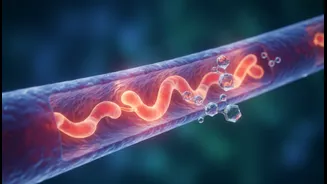
Our vascular system is a 60,000-mile network of blood vessels crucial for delivering oxygen and nutrients throughout the body. Its health is intrinsically linked to our weight. Excess weight puts significant strain on this system, forcing the heart to work harder. Exercise plays a vital role in maintaining vascular health. It promotes the widening of blood vessels, improves blood flow, and reduces blood pressure. Crucially, regular physical activity helps reduce inflammation and the risk of plaque buildup in arteries. Some researchers have even found specific cells lining blood vessels in fat tissue that can trigger inflammation, acting as early gatekeepers in the inflammatory process associated with obesity. By improving the health of our blood vessels, we create a better internal environment that supports overall metabolic function and makes weight management more achievable.
Inflammation's Role in Weight Gain
Inflammation is the body’s natural response to injury or infection. However, in the context of obesity, this system goes into a state of chronic, low-grade activation. Fat tissue itself releases inflammatory chemicals, which can disrupt blood sugar control, alter how the body stores fat, and interfere with hormones like leptin and ghrelin that regulate hunger. This creates a vicious cycle: weight gain increases inflammation, and inflammation makes it harder to lose weight. This underlying inflammatory state is linked to many of the health risks associated with obesity, including heart disease, type 2 diabetes, and metabolic dysfunction. Tackling this inflammation is now seen as a critical component of effective and long-term obesity treatment.
The New Era of Weight-Loss Drugs
A new class of medications, known as GLP-1 receptor agonists (like semaglutide, sold as Ozempic and Wegovy), has revolutionized weight management. These drugs were initially developed for type 2 diabetes but were found to be highly effective for weight loss. They work by mimicking a gut hormone that slows digestion, reduces appetite, and improves blood sugar control. Beyond weight loss, a significant and perhaps overlooked benefit is their anti-inflammatory effect. Research shows these medications can reduce markers of inflammation, which may explain their proven ability to lower the risk of major cardiovascular events like heart attacks and strokes. They appear to have direct positive effects on vascular function, separate from the benefits of weight loss alone.
A Combined Future: Drugs and Exercise
While GLP-1 drugs are powerful, they are not a magic bullet. One significant challenge is that weight is often regained when the medication is stopped. Furthermore, some weight lost can be valuable muscle mass. This is where exercise becomes irreplaceable. Studies show that combining GLP-1 medications with a structured exercise program yields the best results. Exercise helps preserve or even build muscle mass, enhances cardiorespiratory fitness, and improves mobility—benefits that medication alone does not provide. The future of successful, long-term weight maintenance likely lies in this integrated approach: using medication to tackle the powerful biological drivers of weight gain and inflammation, while using exercise to build a stronger, more resilient, and healthier body for the long haul. Researchers are now actively studying this combination to refine the future of obesity care.