






What the Official Numbers Say
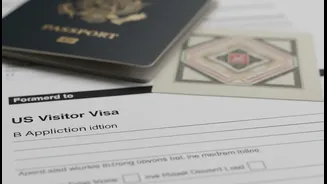
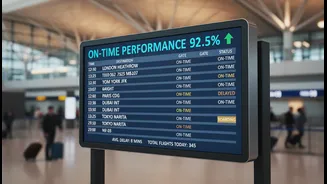
When you visit the U.S. Department of State's website, you'll find a tool that estimates visa appointment wait times. For first-time B1/B2 (tourist and business) visa applicants in India, these numbers can often seem daunting. For example, as of mid-2026,
major consulates like Mumbai and Hyderabad have shown wait times stretching from 285 to over 500 days. These figures represent the estimated time from when you pay your visa fee to the date of your first available interview. The U.S. Mission in India has been working to reduce these times, which peaked dramatically after the pandemic, by increasing staff and opening up more slots. However, these official figures are just one part of a much larger, more complicated picture.
The Reality: A Tale of Two Queues
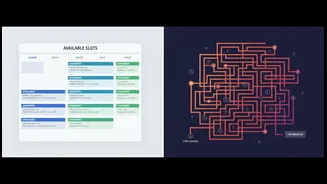
The real story isn't just the length of the queue, but the challenge of getting a place in it. Many applicants find that even when they are ready to book, the online portal shows no available appointments at all, or dates that are years into the future. This is the first point of divergence between official data and lived experience. The official wait time is an average, but the day-to-day reality is a dynamic and often frustrating hunt for a booking slot. The system is overwhelmed by a massive surge in demand from Indian students, professionals, and families. This has led to a situation where the main challenge isn't just waiting, but securing an appointment in the first place.
Understanding the 'Placeholder' Appointment
To navigate this, many savvy applicants have adopted a strategy: booking a 'placeholder' appointment. Here’s how it works: after paying the visa fee, an applicant grabs the first available appointment, even if it's for late 2027 or 2028. This secures their spot in the system. They don't actually intend to wait that long. Instead, once they have this placeholder, they can access the system's rescheduling function. Their new goal is to constantly check the portal, hoping to find an earlier slot that has opened up due to a cancellation or because the consulate has released a new block of appointments. This is the unofficial, yet essential, strategy for many. Officials have even noted that applicants who already have appointments should frequently check for earlier dates. This makes the initial long wait time a kind of entry ticket to play the rescheduling game.
So, Why Is the System Like This?
This convoluted system isn't a deliberate design to cause frustration. It's the result of unprecedented demand meeting finite consular resources. India is one of the busiest visa markets in the world for the United States. The U.S. Mission has made significant efforts, processing over a million visas in consecutive years and introducing interview waiver 'dropbox' options for eligible renewals. However, new vetting procedures, such as expanded social media checks introduced in late 2025, have sometimes created new operational constraints, temporarily reducing the number of interviews that can be conducted daily and leading to rescheduling. The placeholder system, while confusing, is a byproduct of the consulates trying to manage this immense volume while applicants try to find any possible way to secure a timely interview.
How to Better Understand the Wait
For anyone reporting on or trying to understand the visa situation, simply quoting the official wait time is misleading. The real story lies in the nuance. The key is to explain that the number on the State Department website is a theoretical maximum, while the actual process involves securing a distant placeholder and then actively hunting for an earlier slot. Reports should highlight the importance of flexibility—being willing to travel to a different consulate in India with shorter queues, like Kolkata, can sometimes help. It’s also crucial to emphasize checking the portal frequently for newly released or cancelled slots, as this is the primary way applicants move up their appointments. The story isn't just "the wait is 500 days"; it's "the process requires securing a distant appointment and then actively working to improve it."