



Choosing a short haircut often feels like a trade-off between ease and expression. The buzz cut is the king of low-maintenance, but the undercut argues that a little length on top opens up a world of styling possibilities.
The Allure of Simplicity: The Buzz Cut
First, let's give credit where
it's due. The buzz cut is a masterclass in minimalism and practicality. It's a short haircut where clippers are used to achieve a uniform, or near-uniform, length all over the head. The primary appeal is its incredibly low maintenance; there's virtually no daily styling required. You wash it, dry it, and you're ready to go. This style projects confidence by highlighting your facial structure and is a go-to for its clean, athletic, and military-inspired aesthetic. While some variations exist, like fades that taper the length, the top remains short and offers a singular, consistent look.
The Power of Contrast: Understanding the Undercut
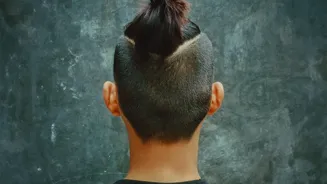
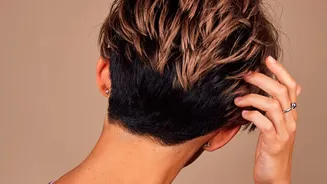
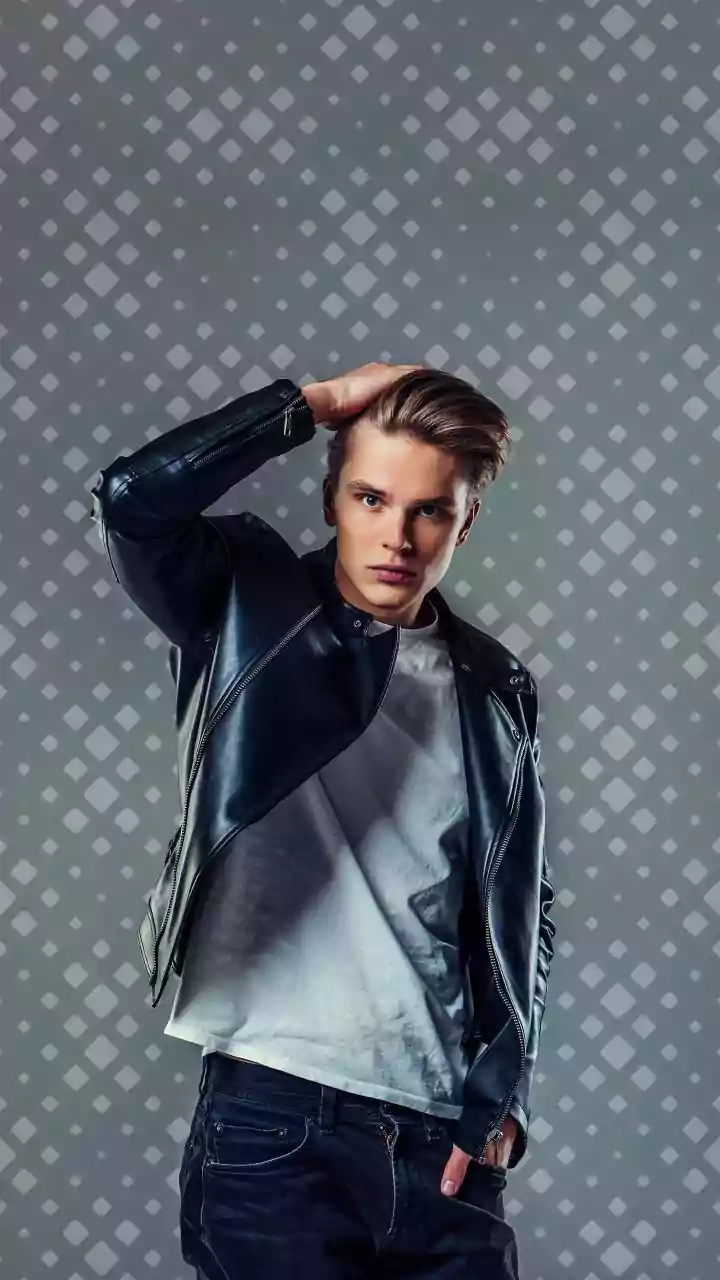
The undercut operates on a completely different principle: contrast. It’s defined by very short sides and back, often clipped or shaved, paired with a significantly longer top section. This sharp, 'disconnected' break between the short and long parts is the undercut's signature feature. Unlike a buzz cut's uniformity, or even a classic fade's smooth blend, the undercut is intentionally a tale of two distinct lengths. This fundamental difference is precisely where its styling potential comes from. The short sides remain neat and sharp, while the longer top becomes a canvas for creativity.
For a Polished Look: The Slick Back and Pompadour
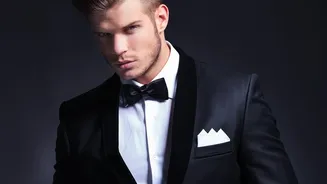
With a few inches of hair on top, the undercut can easily be styled for formal or professional settings. The slicked-back undercut is a timeless, polished option. By applying a pomade or gel to damp hair and combing it straight back, you get a sleek, refined finish perfect for the office or a special event. For a look with more dramatic height, the pompadour is a classic choice. This requires using a blow dryer to lift the hair at the front while directing it backward, creating a voluminous statement. Both styles are difficult, if not impossible, to achieve with the uniform shortness of a buzz cut.
For Casual Days: The Quiff and Textured Crop
The undercut’s versatility truly shines in its casual styling options. A quiff, which is swept upwards and forward, offers a relaxed yet stylish look that can be shaped with your fingers and a bit of wax or clay. Another popular modern style is the textured crop. Here, the longer top is cut into layers and styled with a matte product to create a messy, separated look that's effortlessly cool. You can also style it with a fringe, wear it swept to the side, or simply let it fall naturally. This ability to switch between messy and neat makes the undercut highly adaptable to your mood and occasion.
Embracing Natural Hair: Waves and Curls
Undercuts are not just for straight hair; they are exceptionally good at showcasing natural texture. For those with wavy or curly hair, an undercut keeps the sides tidy and manageable while allowing the curls on top to be the main feature. The length on top gives curls space to form and create volume, a look that is completely lost with a buzz cut. Whether it’s styled into defined curls with a pudding or left as looser, beachy waves, the undercut provides a framework that enhances, rather than removes, natural texture.
The Question of Upkeep
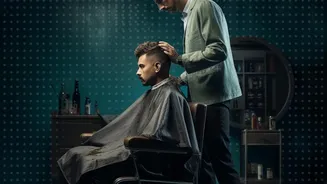
Of course, this styling freedom comes at a cost: maintenance. A buzz cut can be maintained at home with a pair of clippers and requires almost no daily product or styling time. An undercut, on the other hand, demands more effort. The daily styling of the top section takes a few minutes and some product. Furthermore, to keep the sides looking sharp and the contrast clean, you’ll need to visit your barber more frequently, typically every two to four weeks, as regrowth can quickly soften the disconnected line.