





From Picnic Staple to Performance Fuel
For generations, watermelon (tarbooz) has been the undisputed king of summer fruits in India. It’s the sweet, hydrating relief on a scorching day, the centrepiece of family picnics, and a simple, no-fuss dessert. But recently, this humble fruit has been spotted
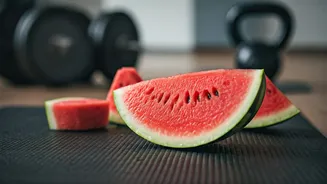
in a new habitat: the gym. Fitness enthusiasts, athletes, and wellness influencers are increasingly turning to watermelon not just as a refreshing treat, but as a strategic part of their workout nutrition. This isn't just a fleeting social media trend; it’s a shift backed by the fruit's impressive nutritional profile, which makes it an ideal companion for physical activity. The secret lies in its unique combination of natural sugars for energy, high water content for hydration, and specific compounds that can aid in performance and recovery.
The Science Behind the Slice
So, what makes watermelon more than just sugar water? First, it’s about 92% water, making it one of the most hydrating foods you can eat. Proper hydration is critical for everything from maintaining energy levels to regulating body temperature during a workout. Dehydration, even mild, can significantly impair physical performance. But the real game-changer is an amino acid called L-citrulline. Watermelon is one of the richest natural sources of it. The body converts L-citrulline into L-arginine, another amino acid that helps produce nitric oxide. Nitric oxide plays a crucial role in vasodilation, which means it helps relax and widen your blood vessels. This improved blood flow allows more oxygen and nutrients to reach your working muscles, potentially enhancing endurance and reducing fatigue. Some studies have even suggested that citrulline can help alleviate post-workout muscle soreness.
More Than Just Citrulline
The benefits don’t stop there. Watermelon is also packed with potassium, an essential electrolyte lost through sweat. Maintaining electrolyte balance is vital for proper muscle function and preventing cramps. A single wedge of watermelon provides a good dose of this mineral, helping you replenish what you’ve lost during a sweaty session. Furthermore, the fruit’s vibrant red colour comes from lycopene, a powerful antioxidant also found in tomatoes. Antioxidants help combat oxidative stress, a type of cellular damage that can be exacerbated by intense exercise. While a slice of watermelon won't magically erase all workout-induced stress, incorporating antioxidant-rich foods into your diet is a smart strategy for long-term recovery and health.
Pre-Workout Boost: Watermelon Juice
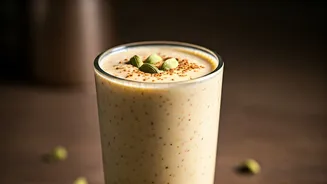
The simplest way to harness watermelon’s power is as a pre-workout drink. Instead of reaching for a sugary, artificially coloured sports drink, try blending fresh watermelon chunks (deseeded, if you prefer) into a simple juice. The natural sugars provide a quick, easily digestible source of energy to fuel your workout without the heavy feeling of a full meal. The L-citrulline gets to work improving blood flow right when you need it. For an extra kick, add a squeeze of lime and a pinch of black salt (kala namak) for a natural electrolyte boost. Drink it about 30-45 minutes before you start exercising to give your body time to absorb the nutrients.
Post-Workout Recovery: The Perfect Snack
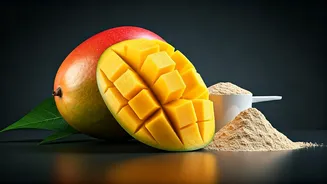
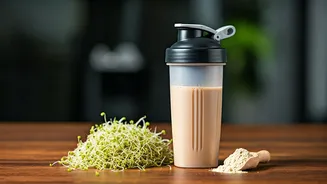
After a tough workout, your body needs three things: hydration, glycogen replenishment (refilling your energy stores), and muscle repair. Watermelon checks the first two boxes perfectly. Its high water content rehydrates you, while its natural sugars help restore muscle glycogen. To make it a more complete recovery snack, you need to add protein. This is where the “fitness twist” gets creative. One popular option is a Watermelon and Feta Salad. The classic combination of sweet watermelon, salty feta cheese, and fresh mint leaves is not only delicious but also nutritionally balanced. The feta provides a source of protein and sodium, another key electrolyte lost in sweat. Another great idea is a Watermelon Recovery Smoothie. Blend watermelon chunks with a scoop of your favourite vanilla or unflavoured protein powder and a tablespoon of chia seeds. The protein aids muscle repair, while the chia seeds add healthy fats and fibre, making the snack more satiating.
DIY Electrolyte Ice Pops
For a fun and incredibly refreshing post-workout treat, make your own watermelon electrolyte ice pops. Blend fresh watermelon with a splash of coconut water (for extra potassium) and a pinch of pink Himalayan salt. Pour the mixture into ice pop moulds and freeze. These are perfect for cooling down after a run on a hot day, delivering hydration and essential minerals in a delicious frozen form. They are a far healthier alternative to store-bought ice lollies, which are often loaded with refined sugar and artificial flavourings.