



The Monsoon Rut
For years, the Indian monsoon travel map was predictable. Destinations like Goa, Kerala's backwaters, and hill stations such as Lonavala or Munnar were the go-to choices. While beautiful, these places share a common trait: relentless rain. The experience,
though romanticised, often comes with logistical headaches: cancelled plans, high humidity, closed attractions, and the ever-present risk of landslides in mountainous regions. Travellers are increasingly finding that their holiday time is spent indoors, waiting for a break in the downpour. This has led many to question whether a truly relaxing and fulfilling break is possible when you are constantly at the mercy of the weather.
The Rain Shadow Advantage
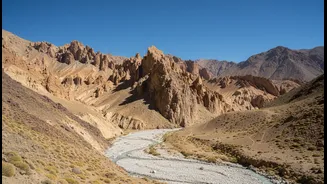
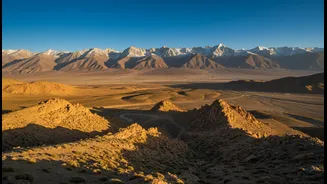
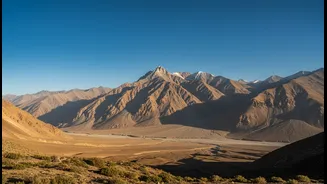
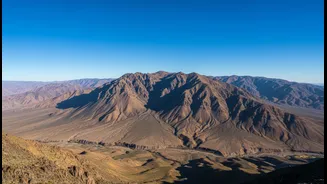
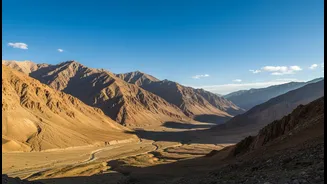
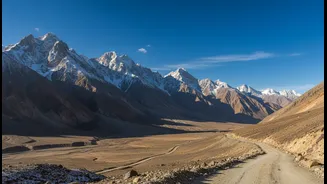
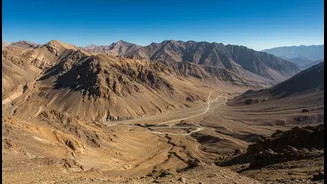
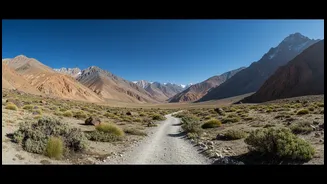
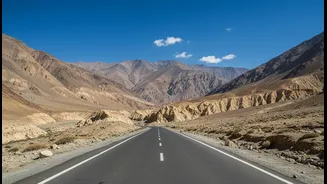
Enter Spiti and Ladakh. These high-altitude cold deserts, nestled in the Trans-Himalayan region, offer a unique and compelling solution. Geographically, they lie in a 'rain shadow' zone. The towering Himalayan ranges to their south block the monsoon clouds from reaching them. The result? While the rest of the country is drenched, Spiti and Ladakh enjoy clear blue skies, bright sunshine, and minimal rainfall. July and August, peak monsoon months elsewhere, are prime summer season here, with pleasant daytime temperatures perfect for exploring. This simple climatic advantage forms the primary reason for their burgeoning popularity as a monsoon alternative.
A New Kind of Thrill
The trend is not just about avoiding rain; it's about embracing a new travel philosophy. There is a palpable shift in the mindset of the modern Indian traveller, particularly among millennials and Gen Z, towards experiential and adventure tourism. The idea of a vacation is evolving from passive relaxation to active engagement and creating lasting memories. Spiti and Ladakh are the perfect playgrounds for this new generation of adventurers. They offer a plethora of activities like high-altitude trekking, mountain biking on some of the world's highest motorable roads, river rafting, and camping under star-filled skies. This demand for adventure is a key driver, with the Indian adventure tourism market seeing significant double-digit growth.
The Journey Is the Destination
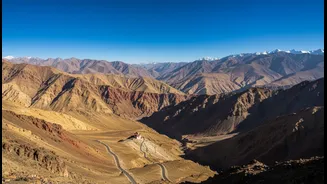
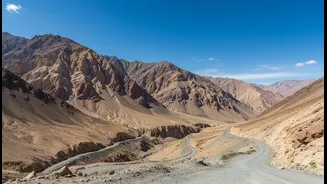
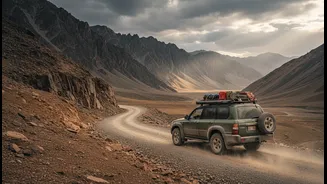
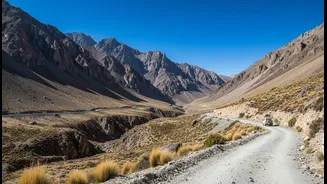
For many, the appeal of Spiti and Ladakh begins long before they arrive. The road trip itself is a rite of passage. The legendary Manali-Leh and Srinagar-Leh highways, as well as the Hindustan-Tibet road leading to Spiti, are considered some of the most scenic and challenging drives in the world. The rise of road trip culture, fuelled by social media and a desire for freedom and flexibility, has made these journeys iconic. Every hairpin bend reveals a new vista, from the lush green valleys of lower Himachal to the stark, lunar landscapes of the high-altitude desert. Unlike a quick flight, the slow, overland journey allows for gradual acclimatization and a deeper connection with the changing environment.
Culture, Clicks, and Connectivity
The visual appeal of Spiti and Ladakh is undeniable. The surreal turquoise of Pangong Tso, the dramatic mountain backdrops, and the ancient, white-washed monasteries perched on cliffs are incredibly photogenic. In an age of social media, the 'Instagrammability' of these regions is a significant draw. Beyond the pictures, these areas offer a deep cultural immersion into a unique Tibetan Buddhist way of life that has remained preserved for centuries. Visiting ancient monasteries like Key and Tabo, staying in local homestays, and interacting with the warm and welcoming local communities provide a travel experience that is both profound and authentic.
More Accessible Than Ever
What was once an expedition-level trip is now more accessible. While still remote, infrastructure has gradually improved. Better road conditions in many stretches, an increase in the number of flights to Leh, and a wide range of accommodation options—from budget homestays to luxury hotels—have opened up the region to a broader audience. The internet has also played a crucial role, with countless blogs, vlogs, and online travel agencies providing detailed information, making it easier for people to plan and undertake these once-daunting journeys independently.