

More Than a Comeback
For years, the narrative around Indian handloom was one of preservation, a duty to protect a fading heritage from the onslaught of fast fashion. But the current revival tells a different story. It’s less about looking back with nostalgia and more about looking forward
with innovation. This isn't the first time handloom has been championed—Gandhiji’s promotion of khadi is a cornerstone of our national identity—but today's movement is driven by a distinctly modern sensibility. Designers and a new generation of consumers, particularly Gen Z, are moving away from viewing handloom as precious, occasion-only wear. Instead, they see it as a canvas for everyday self-expression. The focus has shifted from simply saving a craft to making it genuinely desirable and relevant for contemporary life.
Defining Craft Identity
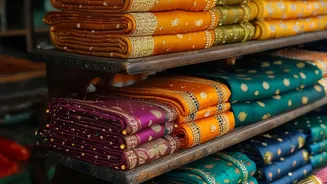
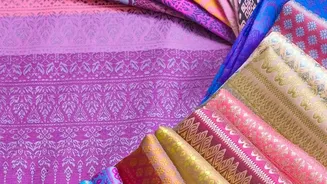
At the heart of this revival is the idea of 'craft identity'. This concept goes beyond just knowing which region a textile comes from. It's about celebrating the fabric's story, texture, and the human touch embedded within it. Unlike mass-produced items, the slight imperfections and variations in a handwoven piece are not seen as flaws but as a mark of authenticity and character. This new identity is less about heavy, traditional motifs and more about sophisticated minimalism. Designers are focusing on clean silhouettes, innovative colour palettes, and the inherent beauty of the weave itself, allowing the craftsmanship to be the focal point. It’s a move towards a quieter, more confident form of luxury that values story and substance over loud branding.
The New Vanguard of Designers
A wave of contemporary designers is leading this charge, acting as storytellers who bridge the gap between artisan clusters and urban wardrobes. Labels like Akaaro, 11.11/eleven eleven, and Ekaya Banaras are treating textiles as the foundation of their design process, not an afterthought. They work in close collaboration with weavers, not just to source fabric, but to develop new textures, blends, and patterns that resonate with a global audience. This approach changes the dynamic, positioning artisans as valued collaborators and custodians of a living art form. By transforming traditional weaves like Banarasi silk or Chanderi into structured jackets, co-ord sets, and minimalist dresses, they are proving that handloom can be fashion-forward, versatile, and deeply modern.
Styling the Contemporary Narrative
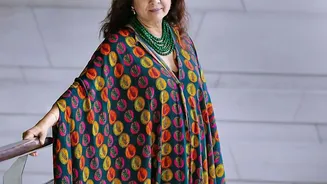
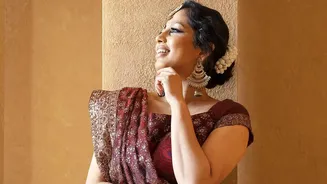
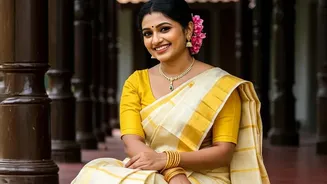
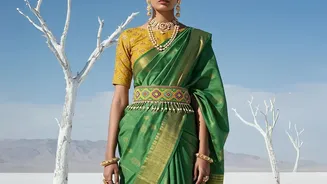
The way handloom is being styled today is perhaps the most visible sign of its transformation. The old rules no longer apply. A luminous Jamdani sari might be paired with combat boots, an Ikat jacket thrown over a simple t-shirt and jeans, or a handwoven Khadi dress styled with a pair of sneakers. This mix-and-match approach detaches the fabric from its purely traditional context and integrates it seamlessly into a modern, globalised wardrobe. It reflects a growing confidence among Indian consumers who want to express their heritage without being confined by it. This is about creating a personal style that is rooted in culture but speaks a universal language of cool.
The Conscious Consumer
This revival is also inextricably linked to the global rise of conscious consumerism. As awareness grows around the environmental and human costs of fast fashion, many are seeking alternatives that are both beautiful and ethical. Handloom, with its small carbon footprint, use of natural fibres, and support for artisan livelihoods, perfectly fits this need. For today’s consumer, especially millennials and Gen Z, a purchase is a statement of values. Choosing handloom is a vote for sustainability, a connection to a tangible story, and a rejection of disposability. It's fashion that not only looks good but feels good to own, creating a deeper, more meaningful relationship with the clothes we wear.